---
title: Science of Wind Chill | WeatherBug | WeatherBug
description: Let’s take a look at the science of wind chill.
canonical: https://www.weatherbug.com/news/Science-of-Wind-Chill
og:title: Science of Wind Chill | WeatherBug | WeatherBug
og:description: Let’s take a look at the science of wind chill.
og:url: https://www.weatherbug.com/news/Science-of-Wind-Chill
og:site_name: WeatherBug
og:locale: en_US
og:image: https://cms-assets-con.cdn.weatherbug.net/assets/contentitems/bc/bc42169a-dfa1-4aaa-92ae-1836549776f1/52e0ce98-d40a-4283-82d1-d0fe816ebf4b/d1f4ad65-81d1-4bc8-8c43-8083fb11a6b7.jpg
og:image:width: 800
og:image:height: 600
og:image:alt: Story Image via pixabay.com
og:type: article
article:published_time: 2025-01-07T15:43:23Z
article:modified_time: 2025-01-07T15:43:23Z
article:author: By WeatherBug's Intern Meteorologist, Christopher Smith
article:tag: chill
article:tag: cold
article:tag: danger
article:tag: frostbite
article:tag: wind
article:tag: winter
twitter:card: summary_large_image
twitter:title: Science of Wind Chill | WeatherBug
twitter:description: Let’s take a look at the science of wind chill.
twitter:image: https://cms-assets-con.cdn.weatherbug.net/assets/contentitems/bc/bc42169a-dfa1-4aaa-92ae-1836549776f1/52e0ce98-d40a-4283-82d1-d0fe816ebf4b/d1f4ad65-81d1-4bc8-8c43-8083fb11a6b7.jpg
---
[](/weather-forecast/now)
[Missing translation for key: backTo forecast](/weather-forecast/now)
# Science of Wind Chill
January 7, 2025 at 10:43 AM EST
By WeatherBug's Intern Meteorologist, Christopher Smith
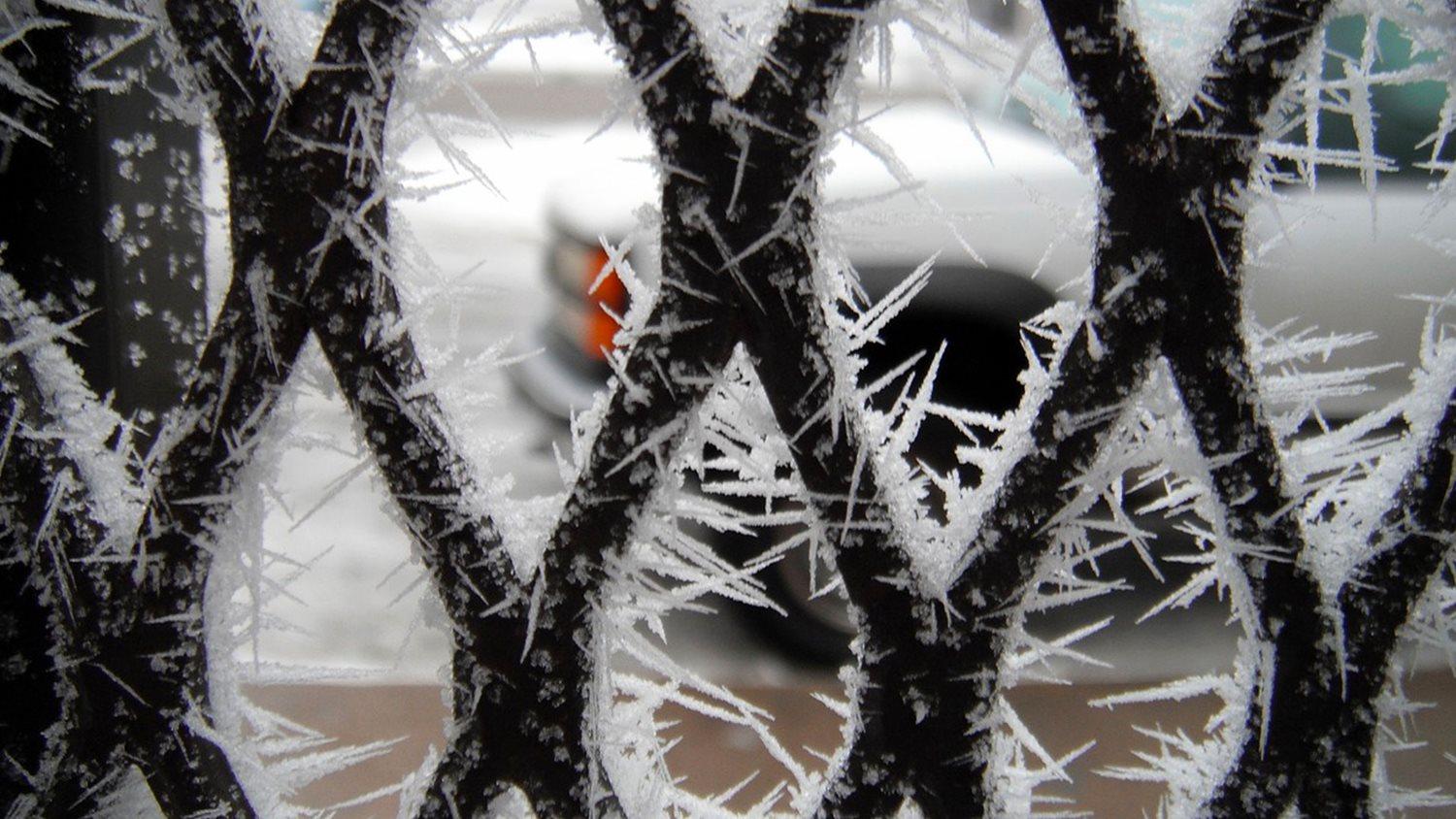
The coldest air of the winter has swept across much of the nation this week. While temperatures plummet, the actual air can feel much colder than what the thermometer reads when factoring in the wind. Let’s take a look at the science of wind chill.
Wind chill occurs when cold air and wind are both present. The wind removes a layer of heat that surrounds the body by blowing cold air across exposed skin. While the heat is removed from the outside of the body, the inner temperature can also begin to drop. If exposed long enough to cold wind chill values, hypothermia and frostbite can occur and result in discomfort, illness and even death.
The wind chill values decrease exponentially with colder temperatures and stronger winds. For example, when the temperature is 40 degrees outside with a wind speed of 30 mph, the wind chill value is 28 degrees. However, for the same wind speed with a temperature of 10 degrees, the wind chill value is a frigid 12 degrees below zero.
It’s important to pay attention to the wind chill as body heat is removed faster with colder values. When the wind chill value is 15 degrees below zero or colder, frostbite occurs in little as 30 minutes while for values of 32 degrees below zero or colder, frostbite can occur in 10 minutes. There’s no wind chill when temperatures are above 50 degrees as the layer of heat surrounding the body is hard to remove with such mild air.
This winter season it is important to look out for Wind Chill Warnings and Advisories which signal particularly dangerous cold that elevates the risk for frostbite and hypothermia.
_Source:_ weather.gov
\----------
_Story Image_ via pixabay.com
We use technologies, such as cookies, to analyze your use (i.e., pages visited), to customize content, for our internal analytics purposes and for security and other purposes. By continuing to use this website, you agree to this usage. Please review our [privacy policy](/legal/privacy) for more details as well as for information on how to contact us to object to these activities. [Ad Choices](/legal/privacy#digitaladvertisingandyourchoices)
```json
{"@context":"https://schema.org","@type":"NewsArticle","mainEntityOfPage":{"@type":"WebPage","@id":"https://www.weatherbug.com/news/Science-of-Wind-Chill"},"headline":"Science of Wind Chill","description":"Let’s take a look at the science of wind chill. ","image":["https://cms-assets-con.cdn.weatherbug.net/assets/contentitems/bc/bc42169a-dfa1-4aaa-92ae-1836549776f1/52e0ce98-d40a-4283-82d1-d0fe816ebf4b/d1f4ad65-81d1-4bc8-8c43-8083fb11a6b7.jpg"],"datePublished":"2025-01-07T15:43:23Z","dateModified":"2025-01-07T15:43:23Z","dateCreated":"2025-01-07T15:43:23Z","articleSection":"Weather News","keywords":"chill,cold,danger,frostbite,wind,winter","articleBody":"The coldest air of the winter has swept across much of the nation this week. While temperatures plummet, the actual air can feel much colder than what the thermometer reads when factoring in the wind. Let’s take a look at the science of wind chill.
\r\n
\r\nWind chill occurs when cold air and wind are both present. The wind removes a layer of heat that surrounds the body by blowing cold air across exposed skin. While the heat is removed from the outside of the body, the inner temperature can also begin to drop. If exposed long enough to cold wind chill values, hypothermia and frostbite can occur and result in discomfort, illness and even death.
\r\n
\r\nThe wind chill values decrease exponentially with colder temperatures and stronger winds. For example, when the temperature is 40 degrees outside with a wind speed of 30 mph, the wind chill value is 28 degrees. However, for the same wind speed with a temperature of 10 degrees, the wind chill value is a frigid 12 degrees below zero.
\r\n
\r\nIt’s important to pay attention to the wind chill as body heat is removed faster with colder values. When the wind chill value is 15 degrees below zero or colder, frostbite occurs in little as 30 minutes while for values of 32 degrees below zero or colder, frostbite can occur in 10 minutes. There’s no wind chill when temperatures are above 50 degrees as the layer of heat surrounding the body is hard to remove with such mild air.
\r\n
\r\nThis winter season it is important to look out for Wind Chill Warnings and Advisories which signal particularly dangerous cold that elevates the risk for frostbite and hypothermia.
\r\n
\r\nSource: weather.gov
\r\n----------
\r\nStory Image via pixabay.com","author":{"@type":"Person","name":"By WeatherBug's Intern Meteorologist, Christopher Smith","url":"https://www.weatherbug.com"},"publisher":{"@type":"Organization","name":"WeatherBug","logo":{"@type":"ImageObject","url":"https://www.weatherbug.com/images/sharing/f1ff28ba-6f06-4745-a782-011a20397e16.png"}}}
{"@context":"https://schema.org","@type":"WebSite","mainEntityOfPage":{"@type":"WebPage","@id":"https://www.weatherbug.com/news/Science-of-Wind-Chill","relatedLink":"https://www.weatherbug.com/news/Science-of-Wind-Chill"},"name":"WeatherBug","url":"https://www.weatherbug.com/news/Science-of-Wind-Chill","headline":"Science of Wind Chill","description":"Let’s take a look at the science of wind chill. ","dateModified":"2025-01-07T15:43:23Z","publisher":{"@type":"Organization","name":"WeatherBug","url":"https://www.weatherbug.com","sameAs":["https://www.facebook.com/WeatherBug","https://instagram.com/WeatherBug","https://www.linkedin.com/company/weatherbug","https://www.pinterest.com/weatherbug","https://twitter.com/WeatherBug","https://www.youtube.com/user/WeatherBugVideo"],"logo":{"@type":"ImageObject","url":"https://www.weatherbug.com/images/logos/weatherbug_logo_620x447.png"}},"author":{"@type":"Organization","name":"WeatherBug","url":"https://www.weatherbug.com","sameAs":["https://www.facebook.com/WeatherBug","https://instagram.com/WeatherBug","https://www.linkedin.com/company/weatherbug","https://www.pinterest.com/weatherbug","https://twitter.com/WeatherBug","https://www.youtube.com/user/WeatherBugVideo"],"logo":{"@type":"ImageObject","url":"https://www.weatherbug.com/images/logos/weatherbug_logo_620x447.png"}}}
{"@context":"https://schema.org","@type":"Organization","name":"WeatherBug","logo":"https://www.weatherbug.com/images/logos/weatherbug_logo_620x447.png","url":"https://www.weatherbug.com","sameAs":["https://www.facebook.com/WeatherBug","https://instagram.com/WeatherBug","https://www.linkedin.com/company/weatherbug","https://www.pinterest.com/weatherbug","https://twitter.com/WeatherBug","https://www.youtube.com/user/WeatherBugVideo"]}
```