---
title: Super El Nino Could Impact Wildfire Risk | WeatherBug | WeatherBug
description: A Super El Nino Is Coming and Could Impact Wildfire Risk in the Pacific Northwest
canonical: https://www.weatherbug.com/news/Super-El-Nino-Could-Impact-Wildfire-Risk
og:title: Super El Nino Could Impact Wildfire Risk | WeatherBug | WeatherBug
og:description: A Super El Nino Is Coming and Could Impact Wildfire Risk in the Pacific Northwest
og:url: https://www.weatherbug.com/news/Super-El-Nino-Could-Impact-Wildfire-Risk
og:site_name: WeatherBug
og:locale: en_US
og:image: https://cms-assets-con.cdn.weatherbug.net/assets/contentitems/be/be8d602d-9881-48ac-90c1-7f0e0de0264e/52e0ce98-d40a-4283-82d1-d0fe816ebf4b/67238256-53ad-4c6d-9fc6-f35a23428487.png
og:image:width: 800
og:image:height: 600
og:image:alt: Firefighters battling wildfires in California
og:type: article
article:published_time: 2026-09-02T16:03:50Z
article:modified_time: 2026-09-02T16:03:50Z
article:author: By WeatherBug Meteorologist, Madison Ryke
article:tag: wildfire
article:tag: season
article:tag: California
article:tag: el nino
article:tag: drought
twitter:card: summary_large_image
twitter:title: Super El Nino Could Impact Wildfire Risk | WeatherBug
twitter:description: A Super El Nino Is Coming and Could Impact Wildfire Risk in the Pacific Northwest
twitter:image: https://cms-assets-con.cdn.weatherbug.net/assets/contentitems/be/be8d602d-9881-48ac-90c1-7f0e0de0264e/52e0ce98-d40a-4283-82d1-d0fe816ebf4b/67238256-53ad-4c6d-9fc6-f35a23428487.png
---
[](/)
[Back to forecast](/)
# Super El Nino Could Impact Wildfire Risk
September 2, 2026 at 12:03 PM EDT
By WeatherBug Meteorologist, Madison Ryke
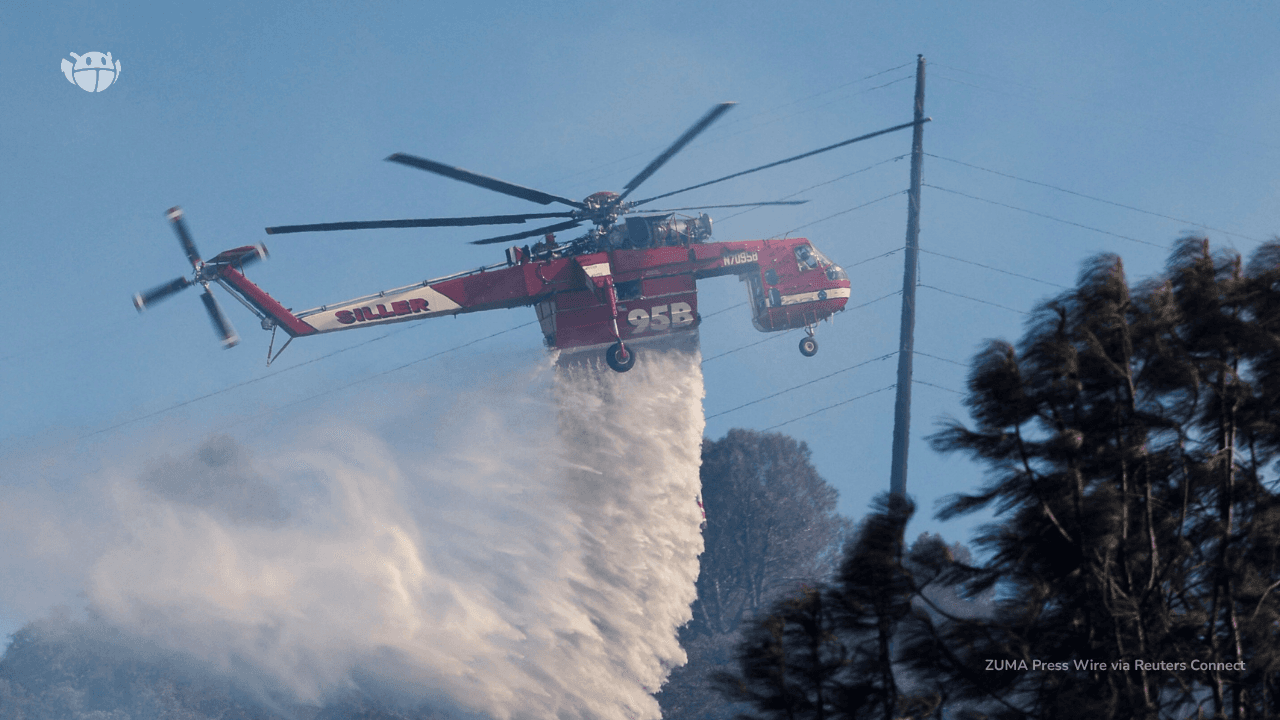
If you're in Washington, Oregon, or anywhere nearby, you probably already know it's been a dry year. You're not imagining it.
Back in April, about [43% of the Pacific Northwest was in severe drought](https://www.weatherbug.com/weather-videos/Forecast/20260901-Could-El-Nino-Make-This-Fire-Season-worse). By August, that number climbed to 49%, basically half the region.
Normally, this is where the story gets better. Wildfire season in the PNW tends to ease up in September as wetter weather rolls back in. But this year, there's a wrinkle: a potential super El Niño is building, and it could throw that usual pattern off.
##
## What's actually happening
El Niño is expected to keep intensifying over the next couple of months, peaking sometime around November through January before tapering off by spring. That's a big, slow-moving climate pattern, and it doesn't affect every region the same way.
For places like the South, El Niño shifts the subtropical jet stream in a way that tends to bring more rain and snow through the winter.
The Pacific Northwest doesn't get that same deal. El Niño can push the _northern_ jet stream further north, which cuts off some of the moisture the region normally counts on. Less incoming moisture means drought conditions that are already in place have less of a chance to ease up, and in some cases, that can stretch fire season out longer than usual.
## What this means for you
To be clear: El Niño isn't a fire-risk button that gets flipped on for everyone. It's more of a lopsided effect, places already dealing with drought are the ones most likely to feel it. If you're in a part of the Pacific Northwest that's already dry, this is a good year to stay a little more alert heading into fall, even after the season would typically start winding down.
**A few things worth doing now:**
* Keep an eye on local burn bans and air quality alerts, especially into October and November
* If you're in a fire-prone area, don't assume the usual autumn rains will show up on schedule
* Have a plan for smoke days, even if you're not near an active fire, PNW air quality can dip fast during an active season
We'll keep tracking how this El Niño develops and update as the picture gets clearer. For now: dry conditions plus a later-than-usual wet season is a combination worth paying attention to, not panicking over.
We use technologies, such as cookies, to analyze your use (i.e., pages visited), to customize content, for our internal analytics purposes and for security and other purposes. By continuing to use this website, you agree to this usage. Please review our [privacy policy](/legal/privacy) for more details as well as for information on how to contact us to object to these activities. [Ad Choices](/legal/privacy#digitaladvertisingandyourchoices)
```json
{"@context":"https://schema.org","@type":"NewsArticle","mainEntityOfPage":{"@type":"WebPage","@id":"https://www.weatherbug.com/news/Super-El-Nino-Could-Impact-Wildfire-Risk"},"headline":"Super El Nino Could Impact Wildfire Risk","description":"A Super El Nino Is Coming and Could Impact Wildfire Risk in the Pacific Northwest","image":["https://cms-assets-con.cdn.weatherbug.net/assets/contentitems/be/be8d602d-9881-48ac-90c1-7f0e0de0264e/52e0ce98-d40a-4283-82d1-d0fe816ebf4b/67238256-53ad-4c6d-9fc6-f35a23428487.png"],"datePublished":"2026-09-02T16:03:50Z","dateModified":"2026-09-02T16:03:50Z","dateCreated":"2026-09-02T16:03:15Z","articleSection":"Weather News","keywords":"wildfire,season,California,el nino,drought","articleBody":"If you're in Washington, Oregon, or anywhere nearby, you probably already know it's been a dry year. You're not imagining it.
Back in April, about 43% of the Pacific Northwest was in severe drought. By August, that number climbed to 49%, basically half the region.
Normally, this is where the story gets better. Wildfire season in the PNW tends to ease up in September as wetter weather rolls back in. But this year, there's a wrinkle: a potential super El Niño is building, and it could throw that usual pattern off.
What's actually happening
El Niño is expected to keep intensifying over the next couple of months, peaking sometime around November through January before tapering off by spring. That's a big, slow-moving climate pattern, and it doesn't affect every region the same way.
For places like the South, El Niño shifts the subtropical jet stream in a way that tends to bring more rain and snow through the winter.
The Pacific Northwest doesn't get that same deal. El Niño can push the northern jet stream further north, which cuts off some of the moisture the region normally counts on. Less incoming moisture means drought conditions that are already in place have less of a chance to ease up, and in some cases, that can stretch fire season out longer than usual.
What this means for you
To be clear: El Niño isn't a fire-risk button that gets flipped on for everyone. It's more of a lopsided effect, places already dealing with drought are the ones most likely to feel it. If you're in a part of the Pacific Northwest that's already dry, this is a good year to stay a little more alert heading into fall, even after the season would typically start winding down.
A few things worth doing now:
Keep an eye on local burn bans and air quality alerts, especially into October and November
If you're in a fire-prone area, don't assume the usual autumn rains will show up on schedule
Have a plan for smoke days, even if you're not near an active fire, PNW air quality can dip fast during an active season
We'll keep tracking how this El Niño develops and update as the picture gets clearer. For now: dry conditions plus a later-than-usual wet season is a combination worth paying attention to, not panicking over.
","author":{"@type":"Person","name":"By WeatherBug Meteorologist, Madison Ryke ","url":"https://www.weatherbug.com"},"publisher":{"@type":"Organization","name":"WeatherBug","logo":{"@type":"ImageObject","url":"https://www.weatherbug.com/images/sharing/f1ff28ba-6f06-4745-a782-011a20397e16.png"}}}
{"@context":"https://schema.org","@type":"WebSite","mainEntityOfPage":{"@type":"WebPage","@id":"https://www.weatherbug.com/news/Super-El-Nino-Could-Impact-Wildfire-Risk","relatedLink":"https://www.weatherbug.com/news/Super-El-Nino-Could-Impact-Wildfire-Risk"},"name":"WeatherBug","url":"https://www.weatherbug.com/news/Super-El-Nino-Could-Impact-Wildfire-Risk","headline":"Super El Nino Could Impact Wildfire Risk","description":"A Super El Nino Is Coming and Could Impact Wildfire Risk in the Pacific Northwest","dateModified":"2026-09-02T16:03:50Z","publisher":{"@type":"Organization","name":"WeatherBug","url":"https://www.weatherbug.com","sameAs":["https://www.facebook.com/WeatherBug","https://instagram.com/WeatherBug","https://www.linkedin.com/company/weatherbug","https://www.pinterest.com/weatherbug","https://twitter.com/WeatherBug","https://www.youtube.com/user/WeatherBugVideo"],"logo":{"@type":"ImageObject","url":"https://www.weatherbug.com/images/logos/weatherbug_logo_620x447.png"}},"author":{"@type":"Organization","name":"WeatherBug","url":"https://www.weatherbug.com","sameAs":["https://www.facebook.com/WeatherBug","https://instagram.com/WeatherBug","https://www.linkedin.com/company/weatherbug","https://www.pinterest.com/weatherbug","https://twitter.com/WeatherBug","https://www.youtube.com/user/WeatherBugVideo"],"logo":{"@type":"ImageObject","url":"https://www.weatherbug.com/images/logos/weatherbug_logo_620x447.png"}}}
{"@context":"https://schema.org","@type":"Organization","name":"WeatherBug","logo":"https://www.weatherbug.com/images/logos/weatherbug_logo_620x447.png","url":"https://www.weatherbug.com","sameAs":["https://www.facebook.com/WeatherBug","https://instagram.com/WeatherBug","https://www.linkedin.com/company/weatherbug","https://www.pinterest.com/weatherbug","https://twitter.com/WeatherBug","https://www.youtube.com/user/WeatherBugVideo"]}
```