---
title: What to Do When the Hurricane Is Over | WeatherBug | WeatherBug
description: The hurricane may be gone, but the danger isn't. From hidden floodwaters to downed power lines, here's how to stay safe and start recovering after a hurricane.
canonical: https://www.weatherbug.com/news/What-to-Do-When-the-Hurricane-Is-Over
og:title: What to Do When the Hurricane Is Over | WeatherBug | WeatherBug
og:description: The hurricane may be gone, but the danger isn't. From hidden floodwaters to downed power lines, here's how to stay safe and start recovering after a hurricane.
og:url: https://www.weatherbug.com/news/What-to-Do-When-the-Hurricane-Is-Over
og:site_name: WeatherBug
og:locale: en_US
og:image: https://cms-assets-con.cdn.weatherbug.net/assets/contentitems/1f/1fa664f3-4f4f-4425-af7d-87b87972208a/52e0ce98-d40a-4283-82d1-d0fe816ebf4b/15bb1252-08c3-4d24-819a-b1c5bad654a0.png
og:image:width: 800
og:image:height: 600
og:image:alt: The hurricane may be gone, but the danger isn't. From hidden floodwaters to downed power lines, here's how to stay safe and start recovering after a hurricane.
og:type: article
article:published_time: 2026-10-11T09:45:18Z
article:modified_time: 2026-10-11T09:45:18Z
article:author: By WeatherBug Meteorologist, Brittney Gomez
article:tag: hurricane
article:tag: tropics
article:tag: storm
article:tag: after
article:tag: safety
article:tag: florida
article:tag: alabama
article:tag: georgia
twitter:card: summary_large_image
twitter:title: What to Do When the Hurricane Is Over | WeatherBug
twitter:description: The hurricane may be gone, but the danger isn't. From hidden floodwaters to downed power lines, here's how to stay safe and start recovering after a hurricane.
twitter:image: https://cms-assets-con.cdn.weatherbug.net/assets/contentitems/1f/1fa664f3-4f4f-4425-af7d-87b87972208a/52e0ce98-d40a-4283-82d1-d0fe816ebf4b/15bb1252-08c3-4d24-819a-b1c5bad654a0.png
---
[](/weather-forecast/now)
[Back to forecast](/weather-forecast/now)
# What to Do When the Hurricane Is Over
October 11, 2026 at 05:45 AM EDT
By WeatherBug Meteorologist, Brittney Gomez
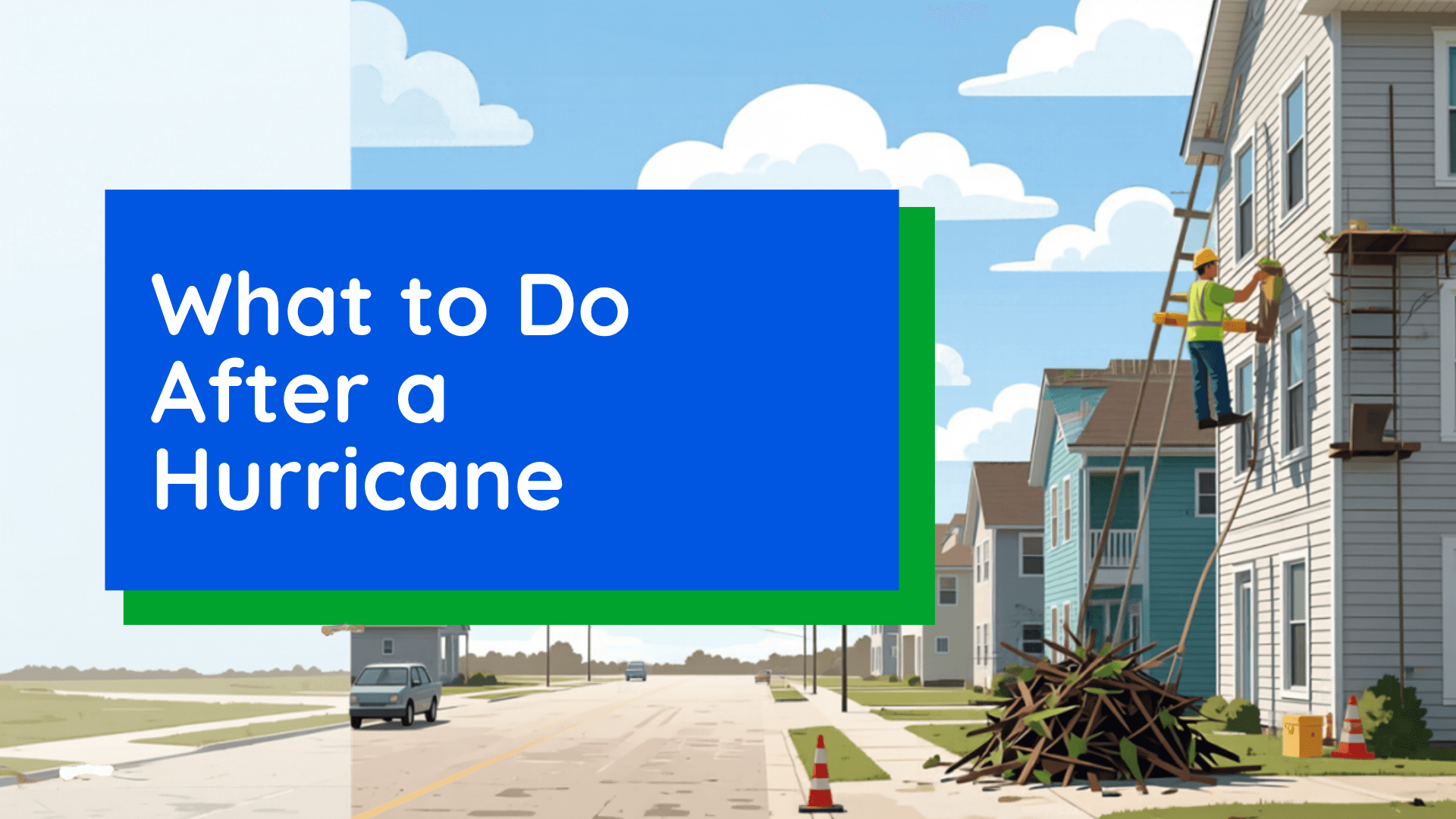
**The hurricane may be gone, but the danger isn't. From hidden floodwaters to downed power lines, here's how to stay safe and start recovering after a hurricane.**
The winds have calmed, the rain has stopped, and the sun might even be peeking through the clouds. But just because the hurricane has passed doesn't mean it's time to let your guard down.
In fact, some of the most dangerous conditions happen _after_ the storm. According to the National Weather Service, nearly half of hurricane-related fatalities occur after the hurricane has passed.
Whether you're returning home after evacuating or starting the cleanup process, here's what you need to know to stay safe.
## 1\. Don't Rush Back Home
We get it. After evacuating, all you want to do is get home and see how everything held up. But heading back too soon could put you in danger.
**Only return home when local officials say it's safe.** Check conditions both where you're staying and where you're headed before hitting the road.
Even if the weather looks perfectly fine, roads could still be flooded, bridges may be damaged, and power lines could be down. Emergency crews also need time to clear debris and assess dangerous areas.
If you don't need to drive, stay off the roads and give first responders room to work.
## 2\. Watch Your Step (and Where You Drive)
Floodwaters can be deceiving. What looks like a shallow puddle could be hiding a washed-out road, sharp debris, or a dangerous current.
Just 12 inches of water can float a car. That's why you should never attempt to drive through a flooded roadway, even if you've driven that route a hundred times before.
And don't assume walking through floodwater is any safer. It can contain harmful bacteria, chemicals, sharp objects, and even dangerous animals.
Remember, rivers and streams can continue rising long after the rain has stopped. Flooding doesn't always end when the hurricane does.
## 3\. Check Your Home Before Going Inside
Before you head through the front door, take a good look around.
Walk carefully around the outside of your home and check for visible damage. Look for fallen trees, damaged walls, loose electrical wires, and anything that seems unstable.
Pay attention to unusual sounds, too. Creaking, shifting, or cracking could signal structural damage.
If you smell gas, leave the area immediately and call 911 or your gas utility from a safe location. Don't turn on lights, use electrical switches, or do anything that could create a spark.
Stay out of buildings that have significant structural damage, remaining floodwaters, or fire damage until authorities have determined they're safe.
And if the power is out, grab a battery-powered flashlight instead of candles. Open flames and possible gas leaks are never a good combination.
## 4\. Using a Generator? Keep It Outside
When the power goes out, a portable generator can be a lifesaver. But using one incorrectly can be deadly.
Carbon monoxide poisoning is one of the leading causes of death in areas experiencing power outages after storms. The gas is colorless, odorless, and can build up quickly without warning.
**Never run a generator inside your home, garage, or any enclosed space, even with the doors or windows open.**
Generators should always be operated outdoors, **more than 20 feet away from your home, doors, and windows,** with the exhaust directed away from the building.
Make sure you have working battery-powered carbon monoxide detectors, too.
## 5\. Take Your Time Cleaning Up
Once the storm is over, it's tempting to jump right into cleanup mode. But don't try to tackle everything at once.
Hurricane cleanup can be physically exhausting, especially when you're dealing with hot, humid weather and no air conditioning.
Drink plenty of water, wear lightweight clothing, and take frequent breaks. If possible, save the heavier work for the cooler morning or evening hours.
Overexertion can lead to heat exhaustion, heat stroke, heart attacks, and other serious health problems.
Wear sturdy shoes, gloves, and protective clothing when handling debris. Broken glass, exposed nails, and sharp metal can be hidden in piles of storm damage.
And don't forget to check on your neighbors, especially older adults and anyone who may need extra help.
## 6\. Stay Connected, Even If Cell Service Is Spotty
After a major hurricane, communication networks can become overwhelmed or damaged. Phone calls might not go through, and emergency responders could take longer than usual to reach certain areas.
If you're having trouble making calls, try sending a text message instead. Texts often have a better chance of getting through when networks are congested.
You can also use email or social media to let friends and family know you're safe when internet service is available.
Keep your phone charged whenever possible, and conserve battery life if power outages are expected to last several days.
Most importantly, continue monitoring local news, NOAA Weather Radio, and official emergency management updates for important safety information.
## 7\. Remember, the Weather Can Still Be Dangerous
Just because the hurricane has moved away doesn't mean the weather-related threats are over.
Floodwaters can continue rising, weakened trees may fall, and damaged infrastructure can remain dangerous for days or even weeks.
Additional rain could make flooding worse, especially in areas where the ground is already saturated.
Keep an eye on the forecast and stay alert for any new warnings or advisories in your area.
##
_Source: NOAA National Weather Service and CDC hurricane recovery and generator safety guidance._
We use technologies, such as cookies, to analyze your use (i.e., pages visited), to customize content, for our internal analytics purposes and for security and other purposes. By continuing to use this website, you agree to this usage. Please review our [privacy policy](/legal/privacy) for more details as well as for information on how to contact us to object to these activities. [Ad Choices](/legal/privacy#digitaladvertisingandyourchoices)
```json
{"@context":"https://schema.org","@type":"NewsArticle","mainEntityOfPage":{"@type":"WebPage","@id":"https://www.weatherbug.com/news/What-to-Do-When-the-Hurricane-Is-Over"},"headline":"What to Do When the Hurricane Is Over","description":"The hurricane may be gone, but the danger isn't. From hidden floodwaters to downed power lines, here's how to stay safe and start recovering after a hurricane.","image":["https://cms-assets-con.cdn.weatherbug.net/assets/contentitems/1f/1fa664f3-4f4f-4425-af7d-87b87972208a/52e0ce98-d40a-4283-82d1-d0fe816ebf4b/15bb1252-08c3-4d24-819a-b1c5bad654a0.png"],"datePublished":"2026-10-11T09:45:18Z","dateModified":"2026-10-11T09:45:18Z","dateCreated":"2026-10-11T09:45:18Z","articleSection":"Weather News","keywords":"hurricane,tropics,storm,after,safety,florida,alabama,georgia","articleBody":"The hurricane may be gone, but the danger isn't. From hidden floodwaters to downed power lines, here's how to stay safe and start recovering after a hurricane.
The winds have calmed, the rain has stopped, and the sun might even be peeking through the clouds. But just because the hurricane has passed doesn't mean it's time to let your guard down.
In fact, some of the most dangerous conditions happen after the storm. According to the National Weather Service, nearly half of hurricane-related fatalities occur after the hurricane has passed.
Whether you're returning home after evacuating or starting the cleanup process, here's what you need to know to stay safe.
1. Don't Rush Back Home
We get it. After evacuating, all you want to do is get home and see how everything held up. But heading back too soon could put you in danger.
Only return home when local officials say it's safe. Check conditions both where you're staying and where you're headed before hitting the road.
Even if the weather looks perfectly fine, roads could still be flooded, bridges may be damaged, and power lines could be down. Emergency crews also need time to clear debris and assess dangerous areas.
If you don't need to drive, stay off the roads and give first responders room to work.
2. Watch Your Step (and Where You Drive)
Floodwaters can be deceiving. What looks like a shallow puddle could be hiding a washed-out road, sharp debris, or a dangerous current.
Just 12 inches of water can float a car. That's why you should never attempt to drive through a flooded roadway, even if you've driven that route a hundred times before.
And don't assume walking through floodwater is any safer. It can contain harmful bacteria, chemicals, sharp objects, and even dangerous animals.
Remember, rivers and streams can continue rising long after the rain has stopped. Flooding doesn't always end when the hurricane does.
3. Check Your Home Before Going Inside
Before you head through the front door, take a good look around.
Walk carefully around the outside of your home and check for visible damage. Look for fallen trees, damaged walls, loose electrical wires, and anything that seems unstable.
Pay attention to unusual sounds, too. Creaking, shifting, or cracking could signal structural damage.
If you smell gas, leave the area immediately and call 911 or your gas utility from a safe location. Don't turn on lights, use electrical switches, or do anything that could create a spark.
Stay out of buildings that have significant structural damage, remaining floodwaters, or fire damage until authorities have determined they're safe.
And if the power is out, grab a battery-powered flashlight instead of candles. Open flames and possible gas leaks are never a good combination.
4. Using a Generator? Keep It Outside
When the power goes out, a portable generator can be a lifesaver. But using one incorrectly can be deadly.
Carbon monoxide poisoning is one of the leading causes of death in areas experiencing power outages after storms. The gas is colorless, odorless, and can build up quickly without warning.
Never run a generator inside your home, garage, or any enclosed space, even with the doors or windows open.
Generators should always be operated outdoors, more than 20 feet away from your home, doors, and windows, with the exhaust directed away from the building.
Make sure you have working battery-powered carbon monoxide detectors, too.
5. Take Your Time Cleaning Up
Once the storm is over, it's tempting to jump right into cleanup mode. But don't try to tackle everything at once.
Hurricane cleanup can be physically exhausting, especially when you're dealing with hot, humid weather and no air conditioning.
Drink plenty of water, wear lightweight clothing, and take frequent breaks. If possible, save the heavier work for the cooler morning or evening hours.
Overexertion can lead to heat exhaustion, heat stroke, heart attacks, and other serious health problems.
Wear sturdy shoes, gloves, and protective clothing when handling debris. Broken glass, exposed nails, and sharp metal can be hidden in piles of storm damage.
And don't forget to check on your neighbors, especially older adults and anyone who may need extra help.
6. Stay Connected, Even If Cell Service Is Spotty
After a major hurricane, communication networks can become overwhelmed or damaged. Phone calls might not go through, and emergency responders could take longer than usual to reach certain areas.
If you're having trouble making calls, try sending a text message instead. Texts often have a better chance of getting through when networks are congested.
You can also use email or social media to let friends and family know you're safe when internet service is available.
Keep your phone charged whenever possible, and conserve battery life if power outages are expected to last several days.
Most importantly, continue monitoring local news, NOAA Weather Radio, and official emergency management updates for important safety information.
7. Remember, the Weather Can Still Be Dangerous
Just because the hurricane has moved away doesn't mean the weather-related threats are over.
Floodwaters can continue rising, weakened trees may fall, and damaged infrastructure can remain dangerous for days or even weeks.
Additional rain could make flooding worse, especially in areas where the ground is already saturated.
Keep an eye on the forecast and stay alert for any new warnings or advisories in your area.
Source: NOAA National Weather Service and CDC hurricane recovery and generator safety guidance.
","author":{"@type":"Person","name":"By WeatherBug Meteorologist, Brittney Gomez","url":"https://www.weatherbug.com"},"publisher":{"@type":"Organization","name":"WeatherBug","logo":{"@type":"ImageObject","url":"https://www.weatherbug.com/images/sharing/f1ff28ba-6f06-4745-a782-011a20397e16.png"}}}
{"@context":"https://schema.org","@type":"WebSite","mainEntityOfPage":{"@type":"WebPage","@id":"https://www.weatherbug.com/news/What-to-Do-When-the-Hurricane-Is-Over","relatedLink":"https://www.weatherbug.com/news/What-to-Do-When-the-Hurricane-Is-Over"},"name":"WeatherBug","url":"https://www.weatherbug.com/news/What-to-Do-When-the-Hurricane-Is-Over","headline":"What to Do When the Hurricane Is Over","description":"The hurricane may be gone, but the danger isn't. From hidden floodwaters to downed power lines, here's how to stay safe and start recovering after a hurricane.","dateModified":"2026-10-11T09:45:18Z","publisher":{"@type":"Organization","name":"WeatherBug","url":"https://www.weatherbug.com","sameAs":["https://www.facebook.com/WeatherBug","https://instagram.com/WeatherBug","https://www.linkedin.com/company/weatherbug","https://www.pinterest.com/weatherbug","https://twitter.com/WeatherBug","https://www.youtube.com/user/WeatherBugVideo"],"logo":{"@type":"ImageObject","url":"https://www.weatherbug.com/images/logos/weatherbug_logo_620x447.png"}},"author":{"@type":"Organization","name":"WeatherBug","url":"https://www.weatherbug.com","sameAs":["https://www.facebook.com/WeatherBug","https://instagram.com/WeatherBug","https://www.linkedin.com/company/weatherbug","https://www.pinterest.com/weatherbug","https://twitter.com/WeatherBug","https://www.youtube.com/user/WeatherBugVideo"],"logo":{"@type":"ImageObject","url":"https://www.weatherbug.com/images/logos/weatherbug_logo_620x447.png"}}}
{"@context":"https://schema.org","@type":"Organization","name":"WeatherBug","logo":"https://www.weatherbug.com/images/logos/weatherbug_logo_620x447.png","url":"https://www.weatherbug.com","sameAs":["https://www.facebook.com/WeatherBug","https://instagram.com/WeatherBug","https://www.linkedin.com/company/weatherbug","https://www.pinterest.com/weatherbug","https://twitter.com/WeatherBug","https://www.youtube.com/user/WeatherBugVideo"]}
```