2025: A Year of Celestial Wonders
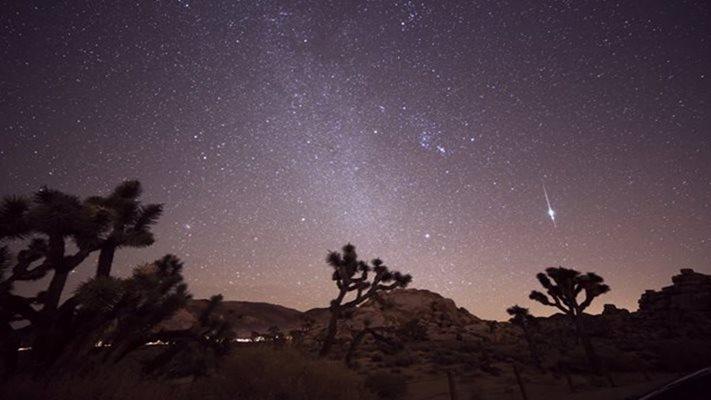
Mars at Opposition
Date: January 16
When Mars is at opposition, it’s directly opposite the Sun from Earth’s perspective and shines extra bright all night. This is the perfect chance to see the Red Planet at its largest and brightest for the year. A decent telescope might reveal some of its dark surface features.
Total Lunar Eclipse
Date: March 14
During a total lunar eclipse, the Moon passes fully into Earth’s shadow, taking on an eerie reddish hue often called a “Blood Moon.” This total eclipse will be visible throughout North America, Mexico, Central America, and South America. If skies are clear, you won’t want to miss watching the Moon’s gradual color change.
Partial Solar Eclipse
Date: March 29
A partial solar eclipse happens when the Moon covers part of the Sun, creating a “bite out of the Sun” effect. You can safely watch this event only with a proper solar filter or by projecting the Sun’s image. It’ll be visible in Greenland, most of northern Europe, and northern Russia. If you’re in Canada, you’ll see up to 93% coverage!
Lyrids Meteor Shower
Date: April 22–23
The Lyrids bring around 20 meteors an hour at their peak and are known for an occasional bright streak. They come from debris left by comet C/1861 G1 Thatcher. This year’s thin crescent moon won’t add much glare, so conditions are looking good. After midnight in a dark area is your best bet for catching a fiery show.
Perseids Meteor Shower
Date: August 12–13
The Perseids are a summer favorite, often producing up to 60 meteors per hour. Formed by fragments of comet Swift-Tuttle, the Perseids are famous for their bright and frequent meteors. A waning gibbous Moon this year will wash out some faint meteors, but you can still expect to see some impressive streaks if you’re patient and far from city lights.
Total Lunar Eclipse
Date: September 7
A second total lunar eclipse in 2025 graces skies across Asia, Australia, and parts of Europe and Africa. Just like in March, the Moon will shift to a deep red as it moves fully into Earth’s shadow. If you’re in the viewing region, take some time to watch this dramatic transformation.
Partial Solar Eclipse
Date: September 21
Another chance to see a partial solar eclipse arrives in late September, though it will be visible only over New Zealand, Antarctica, and the southern Pacific Ocean. Observers in New Zealand can see up to 76% of the Sun covered. As with any solar eclipse, never look directly at the Sun without proper eye protection.
Leonids Meteor Shower
Date: November 17–18
Though typically offering around 15 meteors per hour at its peak, the Leonids can surprise skywatchers with bursts of high activity about every 33 years. This year, the thin crescent Moon means dark skies, providing a nice backdrop for any fireballs. Expect the best views after midnight, with meteors radiating from the constellation Leo.
Geminids Meteor Shower
Date: December 13–14
Often dubbed the best meteor shower of the year, the Geminids can produce over 100 meteors per hour at their peak. The second quarter Moon might wash out some faint meteors, but there should still be enough bright streaks to make it worthwhile. Bundle up, find a dark sky, and look toward Gemini—but remember, Geminids can zoom by anywhere in the sky!
----
Image by Channone Arif from Wikicommons