Back to forecast
Atlantic and Eastern Pacific Hurricane Climatology
May 31, 2022 at 03:31 PM EDT
By WeatherBug Meteorologist, Alyssa Robinette

It’s the first day of June, which is not just the first day of meteorological summer but also the official start to the Atlantic Hurricane Season. Let’s examine the both the Atlantic and eastern Pacific Hurricane Seasons.
The Atlantic Hurricane Season officially runs from June 1st through November 30th. This is different from the Pacific Hurricane season, which occurs between May 15th and November 30th. It is possible for tropical systems to occur before or after these dates, but the season is the most climatologic favored time.
The Atlantic basin includes the Atlantic Ocean, Caribbean Sea and the Gulf of Mexico. Based on a 30-year climate period from 1991 to 2020, an average Atlantic hurricane season typically has 14 named storms, 7 hurricanes and 3 major hurricanes (Category 3 or higher on the Saffir-Simpson Hurricane Wind Scale). The first named storm usually forms in mid to late June, while the first hurricane tends to form in early to mid-August and the first major hurricane forms in late August or early September.
Meanwhile, the eastern Pacific basin extends from Mexico and Central America westward to 140W. Based on their 30-year climate period from 1991 to 2020, an average Pacific hurricane season typically has 15 named storms, 8 hurricanes and 4 major hurricanes (Category 3 or higher on the Saffir-Simpson Hurricane Wind Scale). The first named storm typically forms in early to mid-June, while the first hurricane usually occurs in late June with the first major hurricane forming in mid-July.
Based on data from 1944 to 2020, Atlantic hurricane and tropical cyclone activity usually peaks during the beginning to middle of September, with a generally steady increase before and a steady decrease after this time. The Eastern Pacific data from 1971 to 2020 shows hurricane and tropical storm activity peaks during the middle to end of August. However, there are many rises and falls that occur after July and before October, which means that it can be active at any point during this 3-month span.
For the Atlantic basin, tropical cyclones most often develop in the Gulf of Mexico and off the Southeast coast during the month of June, which then move in a north to northeast direction. By July, storms also start to form off the coast of Africa or along the Equator, and then head to the northwest. August and September usually see storms developing throughout the entire Atlantic basin and storms usually move to the north-northwest. Tropical cyclones will then most often form in the Caribbean Sea and Atlantic Ocean by October and November, which move to the north-northeast.
At the same time, in the eastern Pacific basin, tropical systems most likely develop off the coast of Mexico and Central America during the month of June. By July, August and September, tropical cyclones usually develop throughout the eastern Pacific basin. Formation is then typically limited to near Central America in October and November. Most often, storms move to the north-northwest during the entire hurricane season, but can move in a northeasterly direction, usually in June and then again in October and November.
The meteorologists at Earth Networks are calling for an active Atlantic hurricane season this year. They are predicting 18 named storms, 8 hurricanes and 4 major hurricanes. Already, the eastern Pacific saw their first named storm of the season with “Agatha” occurring at the end of May.
Source: National Hurricane Center
---------
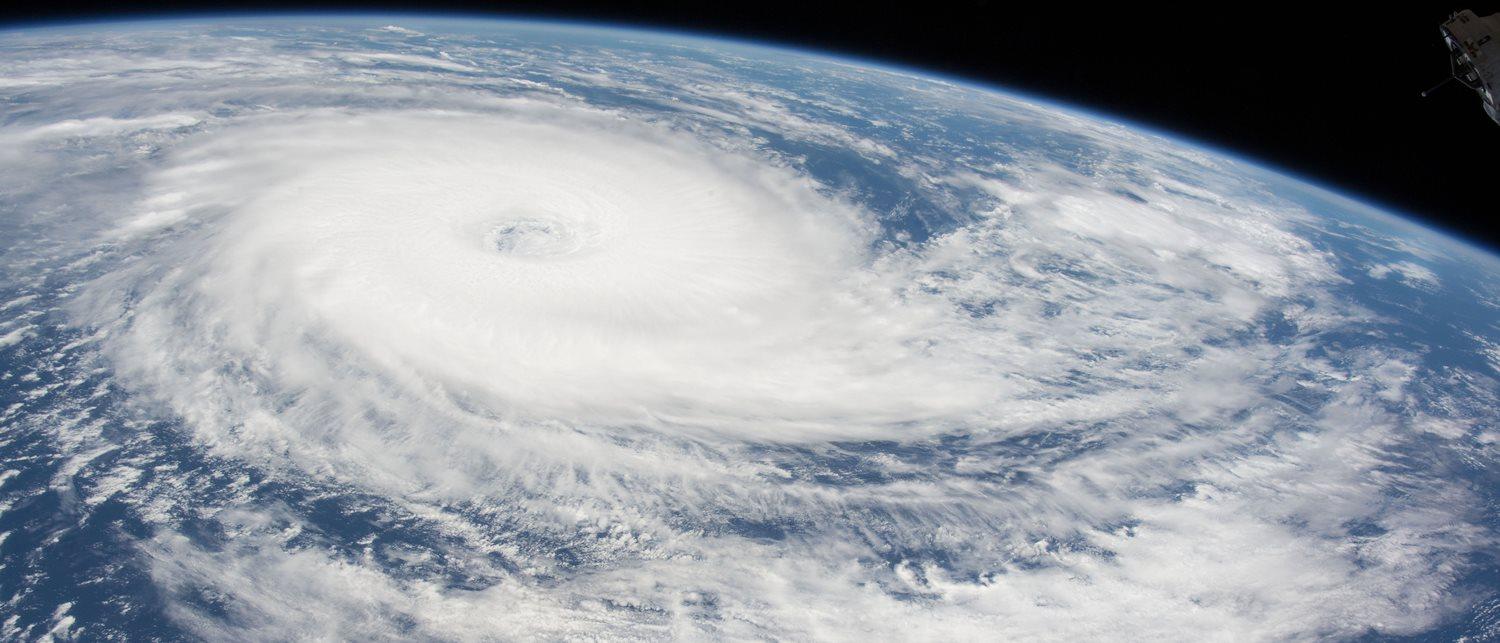
Image: View of Earth taken during ISS Expedition 54. (Earth Science and Remote Sensing Unit, NASA Johnson Space Center, JSC Gateway to Astronaut Photography of Earth)
The Atlantic Hurricane Season officially runs from June 1st through November 30th. This is different from the Pacific Hurricane season, which occurs between May 15th and November 30th. It is possible for tropical systems to occur before or after these dates, but the season is the most climatologic favored time.
The Atlantic basin includes the Atlantic Ocean, Caribbean Sea and the Gulf of Mexico. Based on a 30-year climate period from 1991 to 2020, an average Atlantic hurricane season typically has 14 named storms, 7 hurricanes and 3 major hurricanes (Category 3 or higher on the Saffir-Simpson Hurricane Wind Scale). The first named storm usually forms in mid to late June, while the first hurricane tends to form in early to mid-August and the first major hurricane forms in late August or early September.
Meanwhile, the eastern Pacific basin extends from Mexico and Central America westward to 140W. Based on their 30-year climate period from 1991 to 2020, an average Pacific hurricane season typically has 15 named storms, 8 hurricanes and 4 major hurricanes (Category 3 or higher on the Saffir-Simpson Hurricane Wind Scale). The first named storm typically forms in early to mid-June, while the first hurricane usually occurs in late June with the first major hurricane forming in mid-July.
Based on data from 1944 to 2020, Atlantic hurricane and tropical cyclone activity usually peaks during the beginning to middle of September, with a generally steady increase before and a steady decrease after this time. The Eastern Pacific data from 1971 to 2020 shows hurricane and tropical storm activity peaks during the middle to end of August. However, there are many rises and falls that occur after July and before October, which means that it can be active at any point during this 3-month span.
For the Atlantic basin, tropical cyclones most often develop in the Gulf of Mexico and off the Southeast coast during the month of June, which then move in a north to northeast direction. By July, storms also start to form off the coast of Africa or along the Equator, and then head to the northwest. August and September usually see storms developing throughout the entire Atlantic basin and storms usually move to the north-northwest. Tropical cyclones will then most often form in the Caribbean Sea and Atlantic Ocean by October and November, which move to the north-northeast.
At the same time, in the eastern Pacific basin, tropical systems most likely develop off the coast of Mexico and Central America during the month of June. By July, August and September, tropical cyclones usually develop throughout the eastern Pacific basin. Formation is then typically limited to near Central America in October and November. Most often, storms move to the north-northwest during the entire hurricane season, but can move in a northeasterly direction, usually in June and then again in October and November.
The meteorologists at Earth Networks are calling for an active Atlantic hurricane season this year. They are predicting 18 named storms, 8 hurricanes and 4 major hurricanes. Already, the eastern Pacific saw their first named storm of the season with “Agatha” occurring at the end of May.
Source: National Hurricane Center
---------
Image: View of Earth taken during ISS Expedition 54. (Earth Science and Remote Sensing Unit, NASA Johnson Space Center, JSC Gateway to Astronaut Photography of Earth)