Back to forecast
Be Aware of These 9 Dangers at the Beach
July 19, 2022 at 03:58 PM EDT
By WeatherBug Meteorologist, Molly Robinson
Summertime at the beach isn’t always fun in the sun. Sometimes, dangerous scenarios can change the tune from an amazing family vacation to a frantic, panicked one. Here are 9 dangers at the beach to be aware of so your trip can go off without a hitch:
- Rip Currents: One of the most common rescues beach lifeguards do. These currents are powerful streams of water flowing away from the shore, swiftly taking swimmers further away from shore. Typically, they’re located from the shoreline to past the breaking waves. Remember to swim parallel to shore if caught in one!
- Shorebreak: When waves break directly on the shore. High waves are commonly thought of when thinking about shorebreaks, but smaller waves can produce similar impacts. These waves can be unpredictable and dangerous and can cause spinal cord injuries as well as injuries to extremities. Ask a lifeguard about wave conditions before heading in in case you’re unsure about the water.
- Lightning: Same with not being outside or by a pool when a thunderstorm is occurring, you should not be on a beach during a storm. There are no safe places outside when thunderstorms are in the area and it’s best to stay inside until conditions clear. Additionally, wait at least 30 minutes after the last crack of thunder before stepping back on the sand.
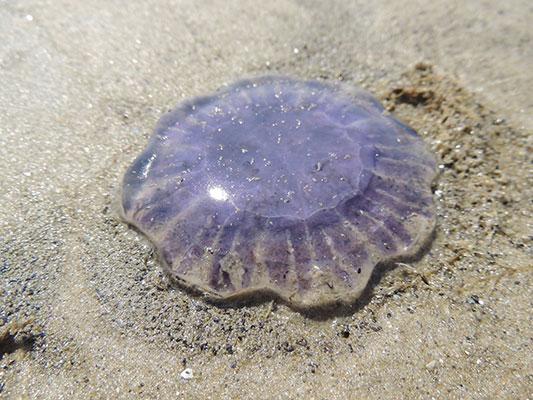
- Jellyfish: All jellyfish sting, but not all have venom to significantly harm humans. Jellies can be found washed up on the shore, so taking note of where you’re walking will help avoid being stung. Tentacles torn off from jellyfish can still sting as well. Never rinse a sting with water as more poison can be released. Instead, check with a lifeguard as they typically have first aid for jellyfish stings. Additionally, see a doctor if you have an allergic reaction.
- Heat and Sunburn: One of the most common villains at the beach. Heat is the leading weather-related killer in the United States and causes more deaths than tornadoes, floods, lightning and hurricanes combined. Warning signs to be aware of include sunburn, heat cramps, heat exhaustion and heat stroke. Sunburns are the most visible and most common heat related effect. Make sure to apply plenty of sunscreen and stay hydrated to avoid these symptoms. If a burn is severe, make sure to seek medical help right away.
- Harmful Algal Blooms: Dense populations of algae that form in coastal waters. These blooms can be toxic to humans and marine animals. By directly swimming in blooms or eating contaminated shellfish, humans can get sick and results can be fatal if enough toxins are ingested. Luckily, scientists can now forecast timing and location of these blooms, allowing public health officials to make better decisions with beach closures or shellfish harvesting.
- Water Quality: Sometimes water quality is too poor for visitors to enjoy the refreshing resource. Water flowing from the land to coastal waters can often be contaminated by untreated sewage, faulty septic systems, fertilizers and hazardous spills. These can result to high levels of bacteria and other chemicals, causing gastrointestinal illnesses to people directly swimming in the water.
- Marine Debris: Sadly, the oceans are not clean and are filled with huge amounts of consumer plastics, metals, rubber, paper, textiles, fishing gear, vessels and other lost or discarded items. These items enter the marine environment every single day and are one of the biggest waterways pollution problems. This litter damagers habitats, harms wildlife and makes it unsafe for visitors to walk along the shore or swim. As they say, leave only footprints on the beach!
- Sharks: Shark attacks are quite rare, but is recommended to be aware of their dangers. Typically, they occur near the shore as sharks can become trapped between the sandbar and shore during low tide as well as near steep drop offs, a common sighting for shark prey. To keep you and friends and family safe, swim close to shore, stay in groups, avoid swimming in the dark, stay on shore if you have a fresh, bleeding wound, leave shiny jewelry on shore and lastly avoid bright colored swimwear.
Being prepared on some of these dangers at the beach can help you stay safe and enjoy a peaceful and relaxing vacation.
(Image provided by fill via pixabay.com)
Source: noaa.gov