


Back to forecast
Burn Scars and Flash Flooding
June 4, 2025 at 10:39 AM EDT
By WeatherBug Meteorologist, Alyssa Robinette
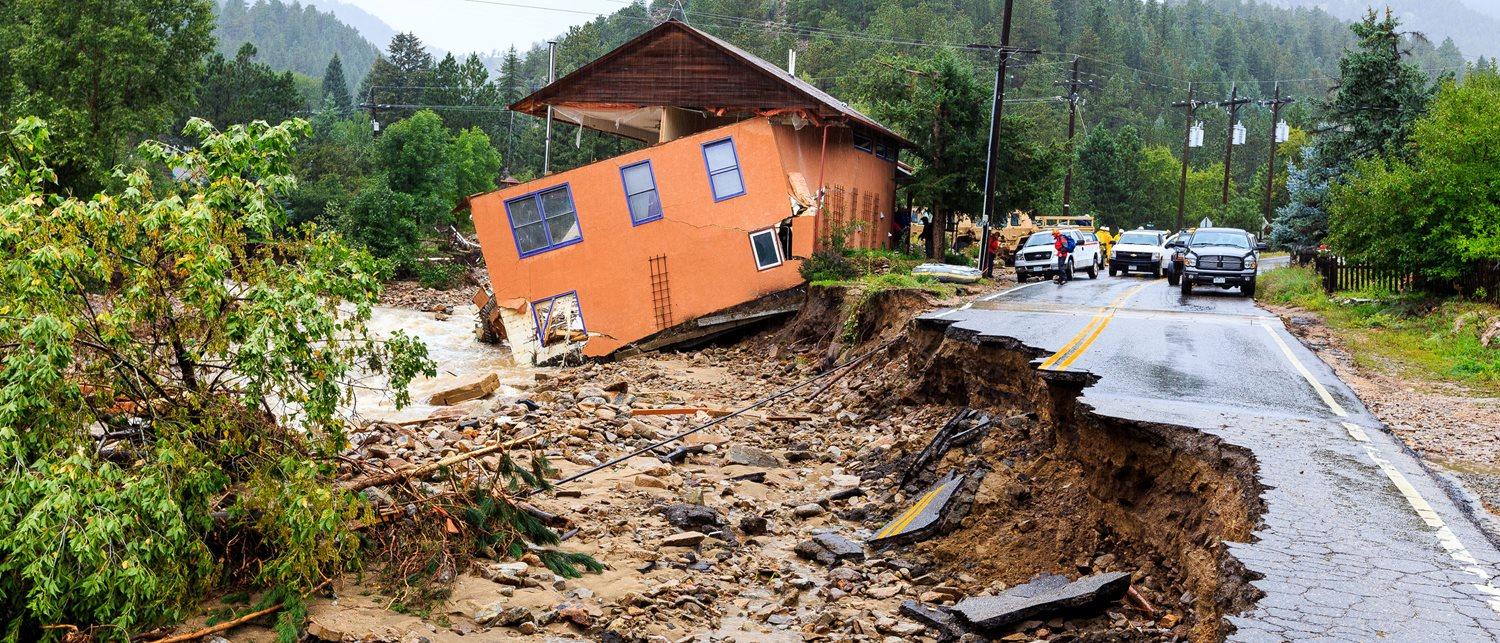
After a wildfire near you is controlled, you may think that the danger is now over. However, wildfires and burn scars will have lasting effects on the landscape, and potentially cause devasting impacts for years to come.
What is a Debris Flow?
A debris flow is a fast-moving, deadly landslide. They can be a mixture of mud, rocks, boulders, entire trees – and even sometimes, homes or vehicles.
What Causes a Debris Flow?
Debris flows most often occur during intense rain after wildfires. In areas where the fire burned hot enough or long enough, soils develop a layer that repels water, like rain on pavement. As water runs downhill through burned areas, it can create major erosion and pick up large amounts of ash, sand, silt, rocks and burned vegetation.
This means that significantly less rainfall is required to produce a flash flood, and the chance for debris flows increases. The debris flow can move faster if the terrain is at a steeper slope, or the intensity of rain is higher.
Why Are Debris Flows So Dangerous?
Debris flows are fast and unpredictable. They can outrun people and cars, and no one can predict precisely where a debris flow will start or where it will go. A debris flow can occur where other debris flows have already occurred, or in a place that has never seen one before.
The force of the rushing water and debris can damage or destroy culverts, bridges, roadways and buildings miles away from the burned area.
Who is at Risk?
Locations that are downhill and downstream from burned areas are the most susceptible to flash flooding and debris flows, especially in and near steeper terrain. The susceptibility to flash flood within the burned area is greatest during the first two years following the fire.
How Much Rainfall is Required to Produce a Flash Flood After a Wildfire?
It is difficult to predict the exact amount that will trigger flash flooding, but it is dependent on how severe the fire was, how steep the terrain is and the rate of precipitation. Steep terrain combined with a severe burn scar and light precipitation can result in flash flooding within minutes of precipitation beginning. Areas of less severe burn damage and flatter terrain will be able to absorb more water leading to more time before flooding develops, even in heavier precipitation.
A general rule of thumb is that half an inch of rainfall in less than an hour is sufficient to cause flash flooding, but this can be more or less depending on the factors mentioned above.
Safety Tips for Living Near a Burn Scar
Credit: NWS
------------------
Story Image: Jamestown, Colo., Sep. 15, 2013 -- The small mountain town of 300 has been cut off because of Boulder County flood. (Steve Zumwalt/FEMA)
What is a Debris Flow?
A debris flow is a fast-moving, deadly landslide. They can be a mixture of mud, rocks, boulders, entire trees – and even sometimes, homes or vehicles.
What Causes a Debris Flow?
Debris flows most often occur during intense rain after wildfires. In areas where the fire burned hot enough or long enough, soils develop a layer that repels water, like rain on pavement. As water runs downhill through burned areas, it can create major erosion and pick up large amounts of ash, sand, silt, rocks and burned vegetation.
This means that significantly less rainfall is required to produce a flash flood, and the chance for debris flows increases. The debris flow can move faster if the terrain is at a steeper slope, or the intensity of rain is higher.
Why Are Debris Flows So Dangerous?
Debris flows are fast and unpredictable. They can outrun people and cars, and no one can predict precisely where a debris flow will start or where it will go. A debris flow can occur where other debris flows have already occurred, or in a place that has never seen one before.
The force of the rushing water and debris can damage or destroy culverts, bridges, roadways and buildings miles away from the burned area.
Who is at Risk?
Locations that are downhill and downstream from burned areas are the most susceptible to flash flooding and debris flows, especially in and near steeper terrain. The susceptibility to flash flood within the burned area is greatest during the first two years following the fire.
How Much Rainfall is Required to Produce a Flash Flood After a Wildfire?
It is difficult to predict the exact amount that will trigger flash flooding, but it is dependent on how severe the fire was, how steep the terrain is and the rate of precipitation. Steep terrain combined with a severe burn scar and light precipitation can result in flash flooding within minutes of precipitation beginning. Areas of less severe burn damage and flatter terrain will be able to absorb more water leading to more time before flooding develops, even in heavier precipitation.
A general rule of thumb is that half an inch of rainfall in less than an hour is sufficient to cause flash flooding, but this can be more or less depending on the factors mentioned above.
Safety Tips for Living Near a Burn Scar
- Have an evacuation/escape route planned that is least likely to be impacted by flash flooding or debris flows
- Have an Emergency Supply Kit available
- Stay informed before and during any potential event – know where to obtain National Weather Service outlooks, watches and warnings
- Be alert if any rain develops and do not wait for a warning to evacuate should heavy rain develop
- Call 911 if you are caught in a flash flood or debris flow
Credit: NWS
------------------
Story Image: Jamestown, Colo., Sep. 15, 2013 -- The small mountain town of 300 has been cut off because of Boulder County flood. (Steve Zumwalt/FEMA)