


Back to forecast
Cloud Week: Time for Fun Facts
November 3, 2020 at 06:27 PM EST
By WeatherBug's Christopher Smith
The conclusion of cloud week ends on a fun note, meaning it’s time for fun facts about clouds!
Clouds come in different shapes, sizes and forms, with each having unique properties. Here are some fun facts about clouds:
Sources: UK Met Office, Science Kids, Weatherwizkids
----------
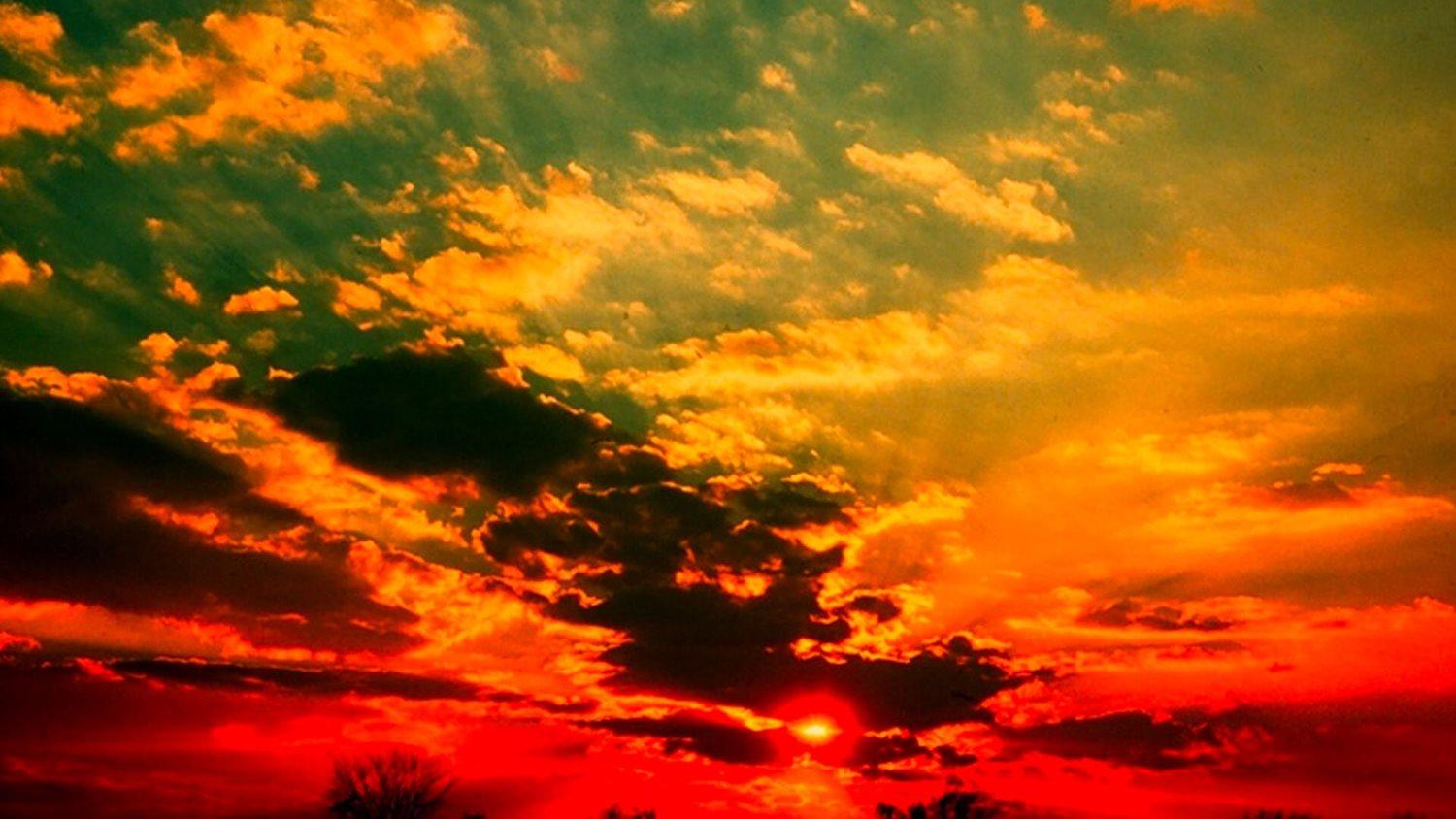
Story Image: Altocumulus clouds via NOAA Photo Library
Clouds come in different shapes, sizes and forms, with each having unique properties. Here are some fun facts about clouds:
- Each cloud has a mass of millions of tons of water. The average weight of a car is just over one ton, meaning a cloud’s mass is quite heavy!
- Most people have driven through a cloud. Fog is just a stratus cloud that forms at ground-level. All those water droplets create the low visibility that occurs on a foggy day.
- Earth isn’t the only planet with clouds. Venus, Jupiter and Saturn all have clouds too. However, their clouds aren’t the same as Earth’s which contain water. They are toxic, containing sulfur-dioxide on Venus and ammonia on Jupiter and Saturn.
- Clouds can be made by airplanes and fire. Exhaust from airplanes helps form clouds as water vapor condenses onto soot particles from the airplane’s engine. Volcanoes and wildfires form pyrocumulus clouds. They look like cumulus or cumulonimbus clouds; they just form as a result of the rising heat and contain a mixture of ash and smoke.
- Mountains can also form clouds. The high elevation helps lift air, helping to produce clouds. These are called orographic clouds, and often assume the shape of the land or mountain surrounding.
- Lenticular clouds are a specific type of cloud that forms due to elevation. These clouds can often look like a stack of pancakes or flying saucers over a mountain’s peak.
- The color of clouds is usually white for the same reason the sky is blue. Colors all depend on the color spectrum and the color of light that is reflected most. While particles in the atmosphere scatter away blue light the most, water droplets in clouds reflect almost all colors equally. This results in a visible white color seen for most clouds. When a cloud becomes so filled with water that it reflects little to no light, the cloud is seen as grey. Clouds can also be grey if clouds above cast shadows on the clouds below.
- Clouds can travel at mighty fast speeds. Thanks to the jet stream, or the fast movement of air thousands of feet above the ground, clouds can travel at speeds of 100 mph.
- Very small water droplets are contained in clouds. These droplets fall due to gravity, but convection, or the rise of warm air usually keeps them from falling to the ground. This balance of forces high in the air is why clouds usually ‘float’ well above the ground.
- If clouds have a greenish color, it’s time to take cover! Severe weather is likely approaching if clouds are green. Hail, often an element of severe thunderstorms, reflects the color green, giving the clouds and sky an ominous green color. Not only do green clouds mean hail may occur, a tornado could be next.
- The Earth is a cloudy place! On average, the Earth is about 2/3 covered in clouds at any given moment. However, some places such as the tropics see clouds much more often than places such as the desert.
Sources: UK Met Office, Science Kids, Weatherwizkids
----------
Story Image: Altocumulus clouds via NOAA Photo Library