Back to forecast
Drought: Its Impact on Agriculture
May 23, 2025 at 06:37 PM EDT
By WeatherBug's Intern Meteorologist, Christopher Smith
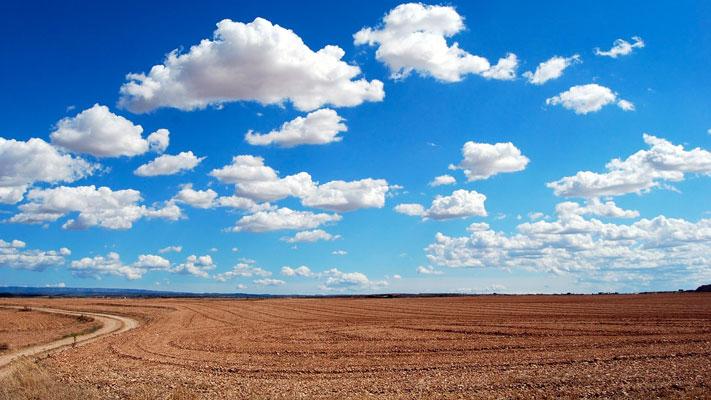
When you think of drought, you probably think of parched fields and dying crops. Drought has an immense impact on agriculture, so let us break it down.
Agriculture not only feeds millions of people, but it’s also an economic staple. In 2015 alone, farms, agriculture, and food-related sectors contributed greater than $1 trillion to the U.S. economy and accounted for 23 million full or part-time jobs. Drought, however, threatens the agricultural sector and can result in wide losses of food and jobs.
When there’s a lack of precipitation over a long period, drought can form as soil moisture drops. If the drought is severe enough, groundwater supplies can be depleted, leading to either crops failing to grow, or increased costs for irrigation to keep the ground saturated. Some high-value crops such as fruit trees and medicinal herbs are especially susceptible to drought and can lead to large economic losses.
Over time, drought can reduce crop and livestock production, leading to a rise in consumer prices, property and livestock sales to reduce economic burdens, and the loss of jobs. In 2015 when California was amid an extreme drought, water shortages slammed the agricultural industry, leading to an economic loss of $1.84 billion and a loss of more than 10,000 part-time jobs.
With summer’s arrival comes the prime time of crop growth across much of the nation, but drought is almost always present somewhere to reduce yields and overall crop health.
Source: drought.gov
Story Image via pixabay.com
Agriculture not only feeds millions of people, but it’s also an economic staple. In 2015 alone, farms, agriculture, and food-related sectors contributed greater than $1 trillion to the U.S. economy and accounted for 23 million full or part-time jobs. Drought, however, threatens the agricultural sector and can result in wide losses of food and jobs.
When there’s a lack of precipitation over a long period, drought can form as soil moisture drops. If the drought is severe enough, groundwater supplies can be depleted, leading to either crops failing to grow, or increased costs for irrigation to keep the ground saturated. Some high-value crops such as fruit trees and medicinal herbs are especially susceptible to drought and can lead to large economic losses.
Over time, drought can reduce crop and livestock production, leading to a rise in consumer prices, property and livestock sales to reduce economic burdens, and the loss of jobs. In 2015 when California was amid an extreme drought, water shortages slammed the agricultural industry, leading to an economic loss of $1.84 billion and a loss of more than 10,000 part-time jobs.
With summer’s arrival comes the prime time of crop growth across much of the nation, but drought is almost always present somewhere to reduce yields and overall crop health.
Source: drought.gov
Story Image via pixabay.com