


Back to forecast
First Aid and Lightning Safety
August 7, 2026 at 11:47 PM EDT
By WeatherBug Meteorologist, Molly Robinson
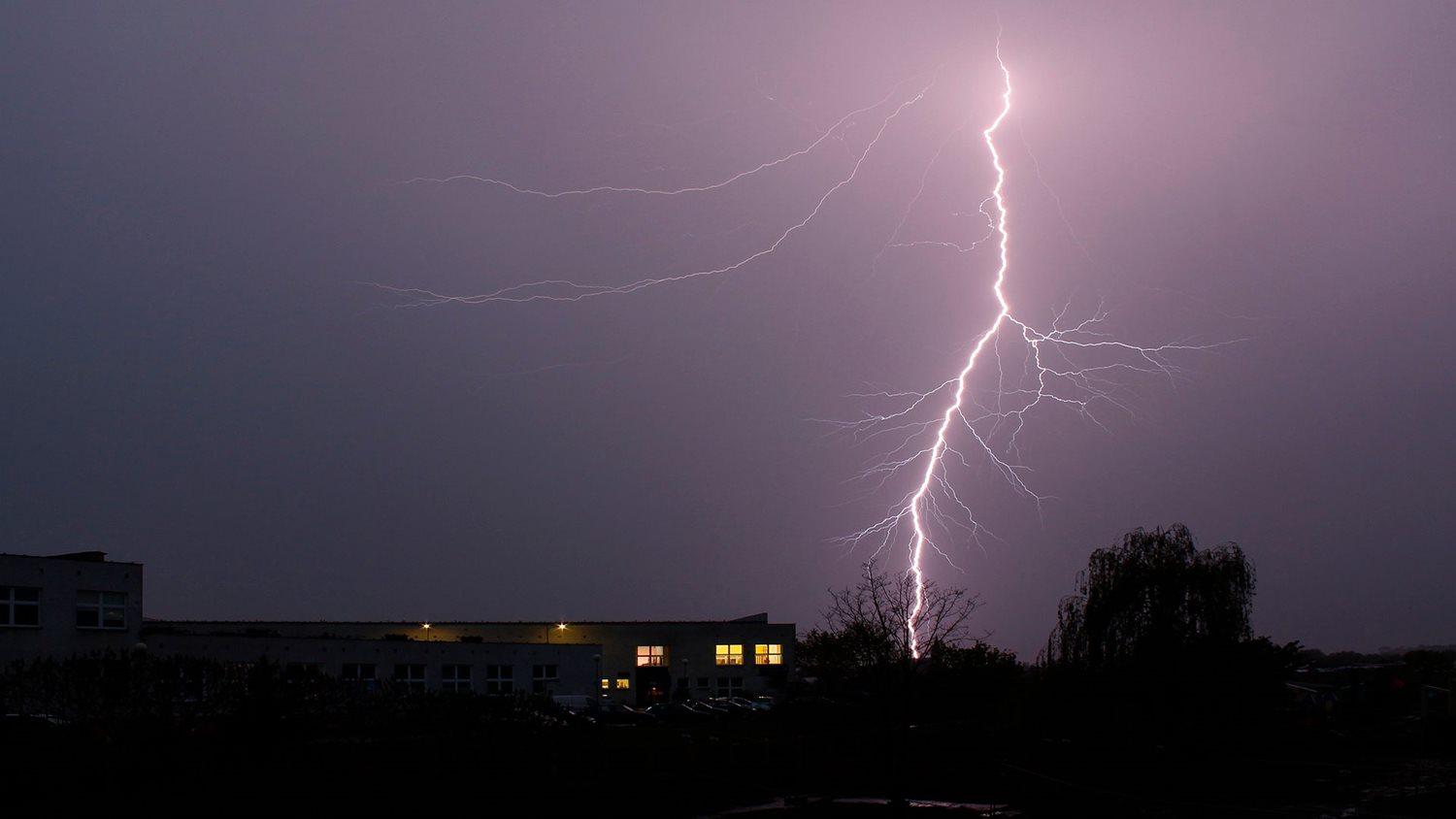
You’re sitting outside at a recreational complex, watching your kids play in their soccer game. Thunderstorms roll into the area, causing an immediate interruption of the game. Everyone takes shelter immediately, but suddenly a bolt of lightning zaps down, striking one of the other parents.
Here is how to help someone struck by lightning while waiting for medical assistance:
Source: CDC
Image by Mateusz Tułacz from Pixabay
Here is how to help someone struck by lightning while waiting for medical assistance:
- Call 911 for help immediately: Give the details on who was struck, how many people were struck, where they were struck and if the storm is continuing. Also give an estimate of a location so first responders will be able to assist.
- Take note of the situation: Remember, people struck by lightning do not carry an electrical charge, so you can touch and handle them safely. If near an isolated tree or an open field, move to a safer location. If the person appears to be bleeding or has any broken bones, leave them be and allow first responders to handle them. If no bleeding or broken bones are visible, you may carefully move the victim to prevent further exposure to lightning.
- Assess the victim: Check for a pulse in either the neck or the groin area and check to see if they are also breathing as lightning can trigger a heart attack. Once determined that the person is breathing, look for any burns or other signs of trauma and injuries. Treat with basic first aid for the time being before emergency services arrive. Hypothermia can also be an issue if the area is cold and wet, so providing protective layers like a jacket or blanket can also aid them.
- If the victim is not breathing: Immediately begin mouth to mouth resuscitations. If there is also not a pulse, start performing chest compressions. Continue these efforts until paramedics arrive.
Source: CDC
Image by Mateusz Tułacz from Pixabay