


Missing translation for key: backTo forecast
Florida Hailstorm Shatters State Record On This Day In 1992
March 26, 2021 at 06:35 AM EDT
By WeatherBug Sr. Meteorologist, Chad Merrill
When most people hear the lightning capital of the U.S., they probably immediately think of Florida. When most people think of hailstorms, they probably turn their attention to a different part of the U.S., such as the Plains or Mountain West. However, Mother Nature occasionally throws out a big myth buster with the weather pattern and this day 29 years ago was no different.
The second of a two-day Southeast severe weather event unfolded during the evening of March 25, 1992. A warm front separating cooler, drier air from warm, humid air pushed across the central Florida Peninsula. The front produced a rash of severe storms across the Sunshine State. Although thunderstorms don’t catch Florida residents by surprise, what transpired near Orlando, Fla., that evening sure did and even made it into the history books.
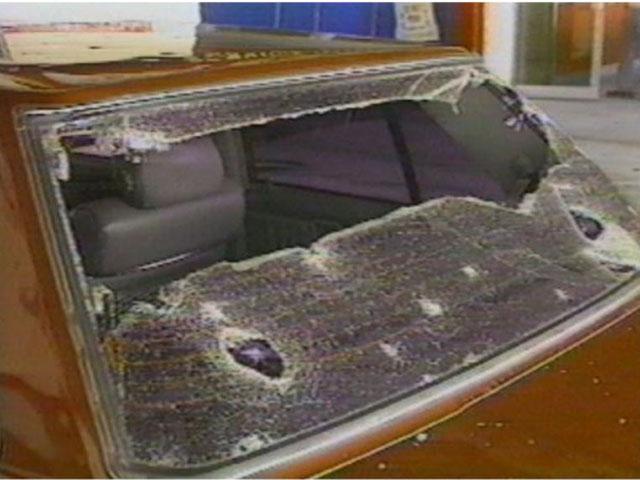
A supercell thunderstorm, classified by its ability to produce damaging winds, a tornado and hail, developed over Orlando, Fla., during the evening. This particular supercell unleashed a massive hailstorm and gusty winds. Large apple-sized hailstones gutted Orange and Seminole County, with piles of hail up to a foot deep produced damage estimated by today’s currency to be $112 million.
Most windows from Hermann Englemann Greenhouse in Apopka, Fla., were damaged by the hail. Trees were blown down near Disney World’s Magic Kingdom and in nearby Seminole County, brick veneer siding was ripped off the walls of a three-story hotel. This particular event is still in Florida’s record books as the costliest hailstorm in the state’s history.
Miraculously only one person was injured but not from hail. A 24-year-old man was struck by lightning near Winter Park, Fla. No deaths were reported.
Although more lightning strikes occur in Florida than any other state, it’s not in the heart of “Hail Alley.” The Front Range sees more hailstorms each year than any other part of the U.S. Three or four catastrophic hailstorms producing more than $25-million in damage occur along the Front Range. The reason--- most of the atmosphere where thunderstorm updrafts occur is above freezing, thus limiting hail development in Florida, even in the most organized storms.
The two-day severe weather event in the Southeast began along the western Gulf Coast on March 24, 1992 and concluded in Florida the next day. In total, the storms raked in $1.5 billion in damages, making it one of seven billion-dollar weather disasters in 1992.
Thunderstorms have since produced large hail in the Sunshine State but none ever lived up to the magnitude of the March 25, 1992 hail storm. Vero Beach and Fort Pierce, Fla., saw an isolated incident of large apple/tea cup sized hail February 13, 1995 with numerous cars damaged and mobile homes windows shattered. Softball sized hail knocked out windows in nearly 600 homes and covered the ground six inches deep in Lake Wales, Fla., on March 30, 1996. Total damage reached $45 million dollars in today’s currency.
A few other storms produced large hail in the last 20 years. In May of 2001, tea cup hail hit Tierra Verde to St. Pete Beach, Fla., totaling $250,000 in damages while six years later in the same month, two grapefruit-sized hailstones were found near Highways 326 and 441. This particular storm shattered car windshields in the Ocala Highland Estates, Fla., neighborhood. Not to be outdone, tea cup hail hit Elwood, Fla., on April 10, 2018 but again damage was limited due to the isolated nature of the storm.
------
Story Image: A damaged car window is seen following a hailstorm in the central Florida peninsula on March 25, 1992. (Courtesy of the National Weather Service in Melbourne, Fla.)
The second of a two-day Southeast severe weather event unfolded during the evening of March 25, 1992. A warm front separating cooler, drier air from warm, humid air pushed across the central Florida Peninsula. The front produced a rash of severe storms across the Sunshine State. Although thunderstorms don’t catch Florida residents by surprise, what transpired near Orlando, Fla., that evening sure did and even made it into the history books.
A supercell thunderstorm, classified by its ability to produce damaging winds, a tornado and hail, developed over Orlando, Fla., during the evening. This particular supercell unleashed a massive hailstorm and gusty winds. Large apple-sized hailstones gutted Orange and Seminole County, with piles of hail up to a foot deep produced damage estimated by today’s currency to be $112 million.
Most windows from Hermann Englemann Greenhouse in Apopka, Fla., were damaged by the hail. Trees were blown down near Disney World’s Magic Kingdom and in nearby Seminole County, brick veneer siding was ripped off the walls of a three-story hotel. This particular event is still in Florida’s record books as the costliest hailstorm in the state’s history.
Miraculously only one person was injured but not from hail. A 24-year-old man was struck by lightning near Winter Park, Fla. No deaths were reported.
Although more lightning strikes occur in Florida than any other state, it’s not in the heart of “Hail Alley.” The Front Range sees more hailstorms each year than any other part of the U.S. Three or four catastrophic hailstorms producing more than $25-million in damage occur along the Front Range. The reason--- most of the atmosphere where thunderstorm updrafts occur is above freezing, thus limiting hail development in Florida, even in the most organized storms.
The two-day severe weather event in the Southeast began along the western Gulf Coast on March 24, 1992 and concluded in Florida the next day. In total, the storms raked in $1.5 billion in damages, making it one of seven billion-dollar weather disasters in 1992.
Thunderstorms have since produced large hail in the Sunshine State but none ever lived up to the magnitude of the March 25, 1992 hail storm. Vero Beach and Fort Pierce, Fla., saw an isolated incident of large apple/tea cup sized hail February 13, 1995 with numerous cars damaged and mobile homes windows shattered. Softball sized hail knocked out windows in nearly 600 homes and covered the ground six inches deep in Lake Wales, Fla., on March 30, 1996. Total damage reached $45 million dollars in today’s currency.
A few other storms produced large hail in the last 20 years. In May of 2001, tea cup hail hit Tierra Verde to St. Pete Beach, Fla., totaling $250,000 in damages while six years later in the same month, two grapefruit-sized hailstones were found near Highways 326 and 441. This particular storm shattered car windshields in the Ocala Highland Estates, Fla., neighborhood. Not to be outdone, tea cup hail hit Elwood, Fla., on April 10, 2018 but again damage was limited due to the isolated nature of the storm.
------
Story Image: A damaged car window is seen following a hailstorm in the central Florida peninsula on March 25, 1992. (Courtesy of the National Weather Service in Melbourne, Fla.)