

Back to Severe Storm Risk Alerts
How to Stay Safe When Working Outside in Cold Weather
January 10, 2026 at 08:20 PM EST
By WeatherBug's Domenic Brooks
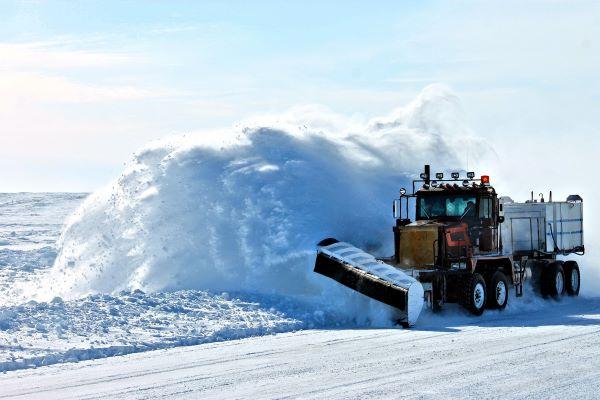
It is getting to that time of year where some days you just want to curl up next to a fire with a nice cup of hot chocolate and distance yourself as much as possible from the bitter cold outside. As appealing as that may sound, many outdoor professions involve folks enduring frigid temperatures while working, including construction workers, law enforcement, and delivery drivers just to name a few.
Cold weather conditions can pose unique challenges while completing certain tasks that otherwise might be mundane, and extended exposure to the cold can pose health risks. It is imperative to take the proper precautions to ensure you are staying safe while working in the cold outdoors, so here is a list of steps you can take to keep yourself and others safe:
Dress warmly
While working in cold weather, probably the most important thing to take into consideration is if you are dressed properly enough to keep your body warm. It starts with choosing the right fabric. You do not want to wear a fabric that does not dry efficiently because that can extract heat from the body, so avoiding cotton is ideal. The ideal fabrics are wool, polypropylene, and polyester fleece because they retain heat even when wet.
You also want to wear or bring extra layers of clothing. It is better to be overdressed, because you can always take layers off if you end up being too hot. However, if you are underdressed and without extra layers, you cannot add layers to make yourself warmer and that is when the cold can become dangerous. This does not mean you have to wear so many layers that you are uncomfortable as three layers of clothing are sufficient, and you can add a top insulating layer that is windproof and waterproof.
Wearing loose-fitting clothing is also recommended. Circulation is crucial when exposed to the cold. Tight-fitting clothing may constrict your blood vessels, making it difficult for warm blood to reach all parts of your body, so wear loose clothing to improve your blood circulation and to give yourself more mobility.
Protecting your head and neck areas is also crucial as these parts of the body contain vital organs and can lose heat quickly if not properly insulated. Wear a winter hat that fits close to the head, but not so much that it constricts your blood flow and consider wearing a neck warmer or scarf you can tuck into your coat to keep out of the way.
Lastly, when it comes to your feet, wearing insulated boots is the best way to keep them warm. Insulated boots also keep your feet dry because they do not allow any moisture or snow into the boot, and wool socks are better than cotton socks because they retain heat even when wet.
Take breaks in warm, dry shelters
Try to take a 10-minute break to warm yourself up for every two hours you work. These breaks allow the body to warm up before you go back to work, which can relieve cold-related stressors on the body. The best place to take a break is in a warm, dry shelter where you can move around and get your blood flowing.
Drink warm liquids
Drinking warm liquids is a good way to keep yourself warm. You can add sugar to increase the energy you gain from the beverage. Avoid drinking caffeinated beverages and alcoholic drinks. Alcohol and caffeine can dilate your blood vessels, making it easier for your body to lose heat. Stick to warm water, milk or energy drinks. It is also a good idea to carry your drink around in an insulated container, such as a thermos, so as to keep your drink warm.
Keep dry
Moisture can draw heat from your skin and make your body temperature drop. Wear a moisture-wicking base to absorb sweat from your body. If your clothes get wet, take them off immediately and wear dry clothing. Always bring at least one spare set of clothes with you to work so that you can have something to change into just in case. Also, wear insulated boots with rubber soles to keep the moisture out.
Prepare your car
Take your car to the garage and get your battery, headlights and tires fixed ahead of winter. Keeping your vehicle in good shape can help it keep running even in the cold weather. Always try to carry a fully charged mobile phone and a list of emergency contacts whenever you leave for work. Keeping a first aid kit and extra blankets in your car are also good things to have in case of an emergency. If necessary, equip your vehicle with tires made to improve your traction on snowy or icy road surfaces.
Take a hot shower beforehand
A hot bath or shower raises your body temperature and gives you a warm start to your day. Make sure to cover yourself immediately after your bath to retain the heat. It’s also helpful to dress in appropriate clothing quickly to keep your body warm after the shower.
Pay attention to weather forecasts
Find out what the weather forecast is for the day before leaving for work. It can inform you of passable roads and expected temperatures for the day. Be sure to download the WeatherBug app and/or check the WeatherBug website and social media for updates that can help you prepare for the cold weather ahead!
----------
Source: Indeed.com
Featured image via Skentophyte on Pixabay.com
Cold weather conditions can pose unique challenges while completing certain tasks that otherwise might be mundane, and extended exposure to the cold can pose health risks. It is imperative to take the proper precautions to ensure you are staying safe while working in the cold outdoors, so here is a list of steps you can take to keep yourself and others safe:
Dress warmly
While working in cold weather, probably the most important thing to take into consideration is if you are dressed properly enough to keep your body warm. It starts with choosing the right fabric. You do not want to wear a fabric that does not dry efficiently because that can extract heat from the body, so avoiding cotton is ideal. The ideal fabrics are wool, polypropylene, and polyester fleece because they retain heat even when wet.
You also want to wear or bring extra layers of clothing. It is better to be overdressed, because you can always take layers off if you end up being too hot. However, if you are underdressed and without extra layers, you cannot add layers to make yourself warmer and that is when the cold can become dangerous. This does not mean you have to wear so many layers that you are uncomfortable as three layers of clothing are sufficient, and you can add a top insulating layer that is windproof and waterproof.
Wearing loose-fitting clothing is also recommended. Circulation is crucial when exposed to the cold. Tight-fitting clothing may constrict your blood vessels, making it difficult for warm blood to reach all parts of your body, so wear loose clothing to improve your blood circulation and to give yourself more mobility.
Protecting your head and neck areas is also crucial as these parts of the body contain vital organs and can lose heat quickly if not properly insulated. Wear a winter hat that fits close to the head, but not so much that it constricts your blood flow and consider wearing a neck warmer or scarf you can tuck into your coat to keep out of the way.
Lastly, when it comes to your feet, wearing insulated boots is the best way to keep them warm. Insulated boots also keep your feet dry because they do not allow any moisture or snow into the boot, and wool socks are better than cotton socks because they retain heat even when wet.
Take breaks in warm, dry shelters
Try to take a 10-minute break to warm yourself up for every two hours you work. These breaks allow the body to warm up before you go back to work, which can relieve cold-related stressors on the body. The best place to take a break is in a warm, dry shelter where you can move around and get your blood flowing.
Drink warm liquids
Drinking warm liquids is a good way to keep yourself warm. You can add sugar to increase the energy you gain from the beverage. Avoid drinking caffeinated beverages and alcoholic drinks. Alcohol and caffeine can dilate your blood vessels, making it easier for your body to lose heat. Stick to warm water, milk or energy drinks. It is also a good idea to carry your drink around in an insulated container, such as a thermos, so as to keep your drink warm.
Keep dry
Moisture can draw heat from your skin and make your body temperature drop. Wear a moisture-wicking base to absorb sweat from your body. If your clothes get wet, take them off immediately and wear dry clothing. Always bring at least one spare set of clothes with you to work so that you can have something to change into just in case. Also, wear insulated boots with rubber soles to keep the moisture out.
Prepare your car
Take your car to the garage and get your battery, headlights and tires fixed ahead of winter. Keeping your vehicle in good shape can help it keep running even in the cold weather. Always try to carry a fully charged mobile phone and a list of emergency contacts whenever you leave for work. Keeping a first aid kit and extra blankets in your car are also good things to have in case of an emergency. If necessary, equip your vehicle with tires made to improve your traction on snowy or icy road surfaces.
Take a hot shower beforehand
A hot bath or shower raises your body temperature and gives you a warm start to your day. Make sure to cover yourself immediately after your bath to retain the heat. It’s also helpful to dress in appropriate clothing quickly to keep your body warm after the shower.
Pay attention to weather forecasts
Find out what the weather forecast is for the day before leaving for work. It can inform you of passable roads and expected temperatures for the day. Be sure to download the WeatherBug app and/or check the WeatherBug website and social media for updates that can help you prepare for the cold weather ahead!
----------
Source: Indeed.com
Featured image via Skentophyte on Pixabay.com