Back to forecast
Hurricane Hazards
August 29, 2025 at 04:38 AM EDT
By WeatherBug Meteorologist, Christian Sayles
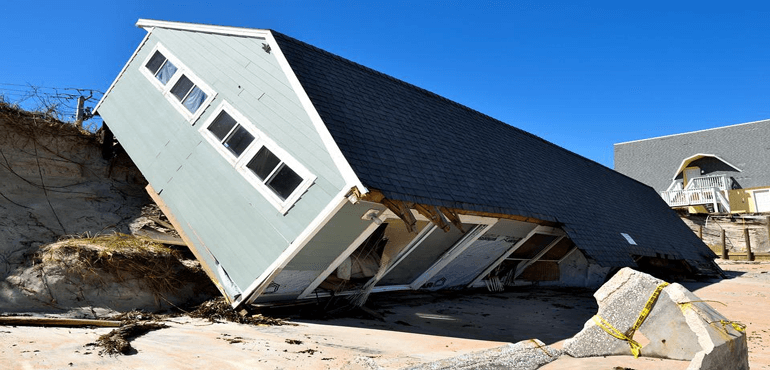
When tropical weather is afoot, there’s a lot of hazards that come along with it.
Hurricane season brings a wide variety of problems for those closest to the coast. Even for residents that are directly located on the shoreline, even 100 miles inland isn’t safe from the hazards tropical systems pose.
Hurricane hazards are dauting, but they don’t have to be unplanned for. You know what’s the best way to stay safe when tropical weather threatens? Be prepared! Hurricane season officially begins June 1 and ends November 30, though storms have been known to develop prior to the official start and later than the official end of the season.
The following is a list of common hazards that accompany tropical storms:
- Storm surge and storm tide - When tropical storms or hurricanes approach, the winds associated can raise the water to abnormal heights over land. This is referred to as storm surge. If winds are strong enough, the surging water can rise above 20 feet and hundreds of miles inland. As for storm tide, this is when normal tide levels are elevated thanks to changes in astronomical tides and storm surge.
- Flooding rain - Torrential downpours from tropical systems are expected where more than 6 inches of rain can leave a town flooded for days even weeks. This type of flooding is deadly, especially for anyone living inland where there is poor drainage. Never under any circumstances drive through flooded roadways.
- High winds - Winds exceeding 74 mph are considered hurricane-force and can be dangerous and devastating. These winds are able to topple weak structures such as mobile homes, power lines, trees and even damage buildings.
- Rip currents - Even if a storm is hundreds of miles away, rip currents near the coast can be deadly. Hurricanes producing strong winds can foster dangerous waves that on impact create breakages along the coastlines. These breakages are rip currents which if not careful can drag a person out into open water and result in drowning.
- Tornadoes - Since hurricanes are rotating storms, the embedded showers and thunderstorms are also in a rotating motion. This motion results in the formation of tornadoes mainly along the outer bands of a hurricane though it’s not uncommon for them to spin-up near the eye of the storm.
It’s time to put a plan in place should you need to evacuate and hunker down if/when the full force of Mother Nature comes roaring.
Source(s): National Weather Service
(Image provided by Pixabay.com)