Indian Summer - A Fall Phenomenon
As the daylight hours get shorter and the nights get cooler, many people long for one last warm up before the deep chill of winter settles in.
During this time, many people will use the phrase "Indian Summer" to describe just about every warm spell that occurs, much like they would use "Dog Days" during a stretch of stifling hot, humid days in late July or early August.
"Indian Summer" is just one of those popular weather phrases, often heard in simple weather conversations that take place at home or around the office water cooler. Most people are familiar with the phrase, but few know exactly where it came from, and what it means.
In their Glossary of Meteorology, the American Meteorological Society (AMS) defines "Indian Summer" as a period in mid- or late-autumn of abnormally warm weather, with generally clear skies, sunny but hazy days, and cool nights.
The AMS even goes a bit further, stating that in New England, at least one killing frost, and preferably a substantial period of normally cool weather must precede this warm spell in order for it to be considered a true "Indian Summer."
Several different explanations exist about the origins of the term, "Indian Summer":
- The Most Likely: "Indian Summer" was the period that early Native Americans used for hunting. The warm conditions encouraged animals to stay outside, and the hazy air gave humans a natural advantage.
Another Possibility: Early Native Americans would allow the warmer conditions following a significant frost to fully ripen their crops for harvesting, which then would be gathered and stored with extra food before even colder weather associated with the harsh New England winter arrived killing the crops all together!
Outside the U.S., conditions similar to our "Indian Summer" can be observed in England as well as many countries throughout the Mediterranean. These conditions also occur in late autumn, and are referred to as "Saint Martin`s Summer", or "All Hallows Summer", relating to our All Hallows Eve, or Halloween.
---
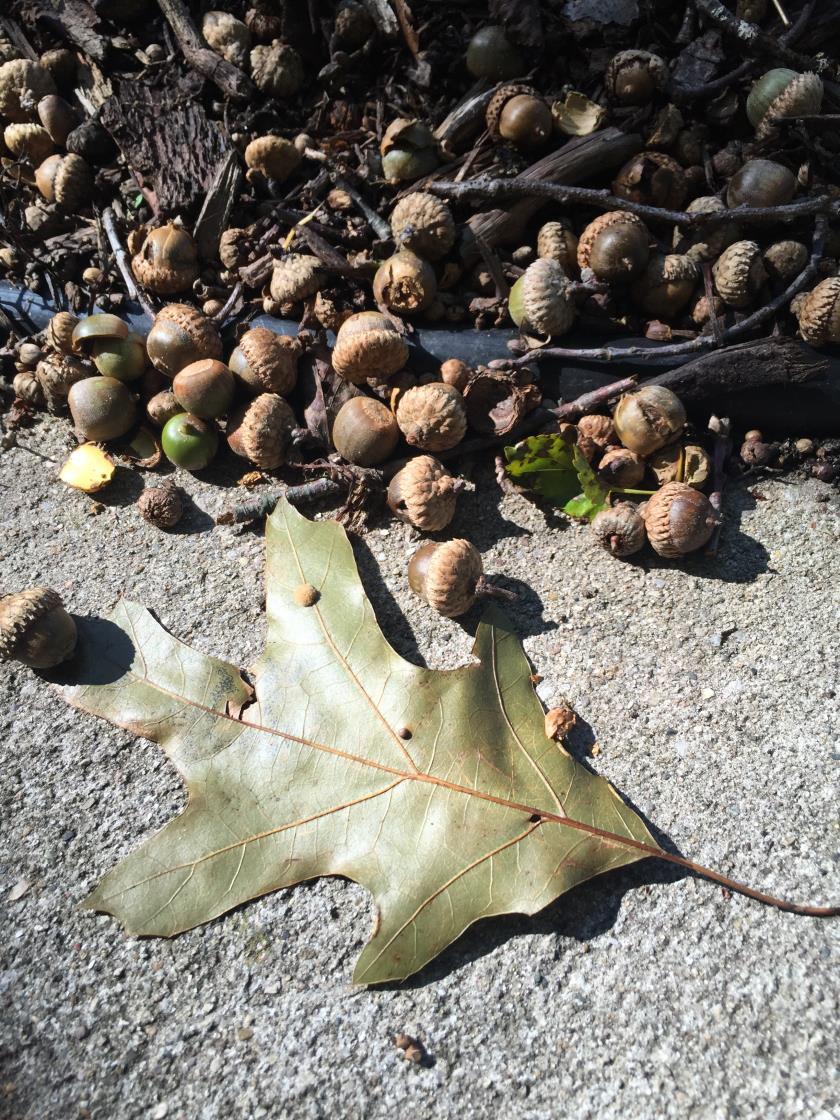
Story image courtesy of WeatherBug user Nancy C of Saugatuck, Mich.