


Back to forecast
Keeping Fido and Fluffy Safe in the Summer
August 22, 2026 at 02:56 AM EDT
By WeatherBug Meteorologist, Molly Robinson
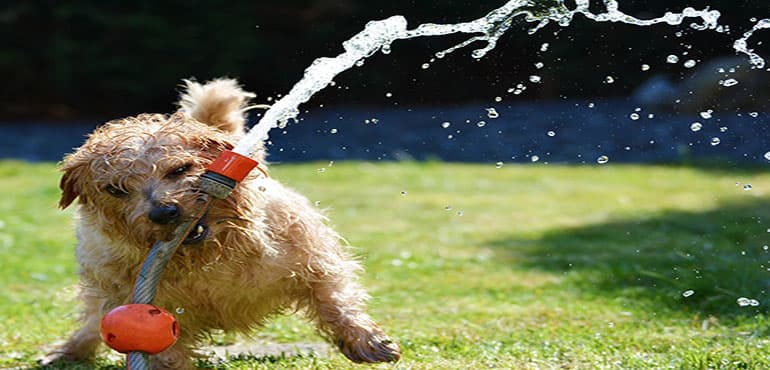
With summer active, temperatures will begin rising. That means, more outdoor activities for you as well as your furry friends. However, hot weather can cause your pets to get sick or hurt. Here is how to keep Fido and Fluffy safe:
- Be proactive: Set up a checkup with the vet in the spring or early summer and make sure they get tested for heartworm.
- Keep them hydrated and cool: Make sure there’s access to fresh and clean water when it’s hot or humid outside as pets can get dehydrated very quickly. Also have a shady place, whether under an umbrella or under trees, for them to get out of the sun. If temperatures are extremely hot, keep your pets inside and do not over-exercise them.
- Be cautious of overheating: Symptoms include difficulty breathing and panting, drooling, weakness, increased heart or respiratory rate, collapsing, seizures, diarrhea, vomit or an elevated body temperature over 104 degrees.
- Be extra cautious with certain pets: Pets with heart and lung disease, elderly pets, and overweight pets should be kept in cool, air-conditioned rooms, especially with extreme heat outside. Pets with flat faces like pugs, French bulldogs and English bulldogs or Persian cats, British shorthairs and Scottish folds, may be more prone to heat stroke since they cannot pant effectively.
- Never leave your pets alone in a parked vehicle: This can lead to fatal heat stroke and is illegal in many states, including Maryland, California, Florida and Colorado.
- Supervise your pets around water: Not all pets are great swimmers and will need life jackets, especially on boats. Introducing your pets to water gradually will help. Any time your pet does swim in a pool, make sure to rinse off chlorine and salt from their fur as pool water contains many chemicals. This also means keep your pets from drinking any pool water.
- Keep unscreened windows and doors closed: This can pose a danger to pets as they can easily fall out of them and get stuck in trees or fall to the ground.
- Never shave your pets: Routine grooming is okay, but your pets’ coats protect them from sunburn and overheating. Also, brushing cats more than usual can help prevent problems caused by excessive heat. Sunscreen and insect repellent can also be used on your pets, but make sure they are labelled specifically to use for animals.
- Avoid hot asphalt: Excessive heat can cause asphalt and other pavements to heat quickly and stay hot. This can cause your pets’ bodies to heat up quickly as well and cause paw pads to burn. Keep walks on pavement to a minimum.
- Be careful around insecticides and rodenticides: These chemicals can be harmful to pets when ingested. Other objects of concern include citronella candles, tiki torch products and insect coils, so make sure they’re out of reach. Make sure to call your vet or animal poison control center if you believe poisonous substances have been ingested.
- Human food and drinks can be harmful to pets: Alcoholic beverages can cause intoxication, depression and comas in pets. Treats of some human food can cause severe digestive problems. Especially avoid raisins, grapes, onions, chocolate and products with xylitol.
- Be cautious around fireworks: Never use fireworks around pets as they can result in severe burns or trauma. Unused fireworks contain hazardous materials, so keep any out of reach from pets. Loud noises can cause pets to be scared, lost or disoriented so keep your furry friends in a quiet, escape-proof portion of your home.
Being well aware of the dangers of heat and summer activities will make sure your pets stay safe this summer!
Source: ASPCA
Image provided by Andi via Pixabay