Back to forecast
Mastering Tropical Weather Alerts: A Comprehensive Guide
May 16, 2023 at 06:43 PM EDT
By WeatherBug's Ali Husain
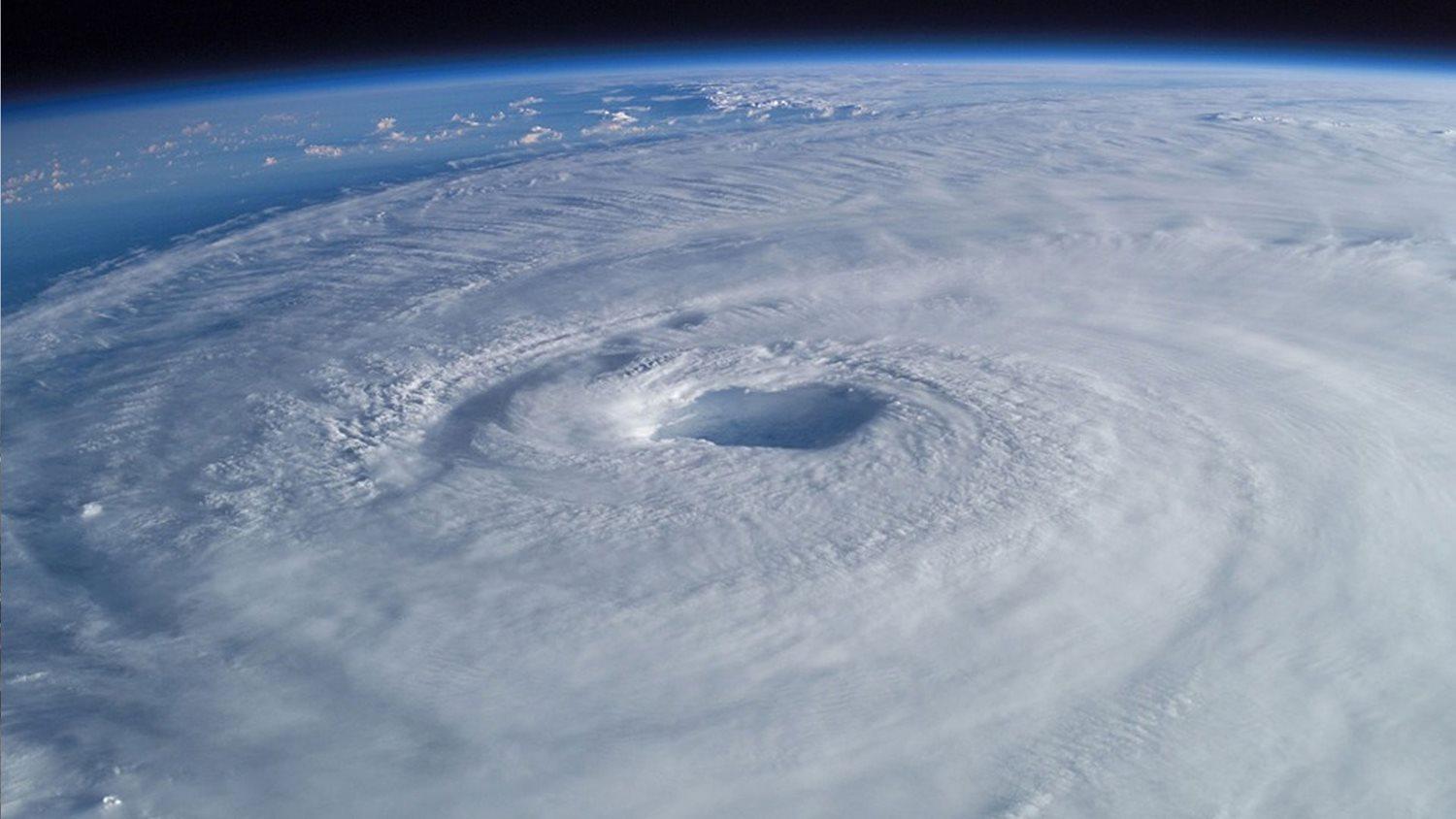
When facing an approaching tropical system, it is crucial to prioritize safety and be well-informed about the potential risks and necessary precautions. By relying on trusted sources, understanding alert systems, and focusing on potential impacts rather than storm categories, individuals can enhance their preparedness and protect themselves effectively. This article provides a comprehensive guide on staying safe during a storm.
When a tropical system approaches, you need to prioritize safety and be well-informed about potential actions you need to take. By relying on trusted sources, understanding the weather alert system, and focusing on potential impacts rather than storm categories, you can enhance your preparedness and protect yourself effectively during a major weather event.
To stay updated, you can regularly check official NHC and NWS webpages to view the most up-to-date forecasts and stay informed on any changes to a tropical storm’s trajectory and potential impacts. In addition, enabling wireless emergency alerts on your phone will automatically alert you to impending dangers.
There are different alerts that will be issued based on the severity and expected impacts of a storm. To take the most appropriate actions, you need to understand the differences between watches and warnings, as well as knowing what each tropical-related alert entails.
Source: noaa.gov
-----
Story Image via pixabay.com
When a tropical system approaches, you need to prioritize safety and be well-informed about potential actions you need to take. By relying on trusted sources, understanding the weather alert system, and focusing on potential impacts rather than storm categories, you can enhance your preparedness and protect yourself effectively during a major weather event.
To stay updated, you can regularly check official NHC and NWS webpages to view the most up-to-date forecasts and stay informed on any changes to a tropical storm’s trajectory and potential impacts. In addition, enabling wireless emergency alerts on your phone will automatically alert you to impending dangers.
There are different alerts that will be issued based on the severity and expected impacts of a storm. To take the most appropriate actions, you need to understand the differences between watches and warnings, as well as knowing what each tropical-related alert entails.
- Watch vs. Warning: A "Watch" signifies that storm impacts are possible in your area (so be ready!), while a "Warning" indicates that impacts are expected, or already occurring, and immediate action should be taken.
- Hurricane Watch and Warning: A Hurricane Watch means there is a possibility of hurricane conditions within the watch area within the next 48 hours. Prepare by securing windows, moving loose items indoors, and ensuring your emergency kit is ready. A Hurricane Warning means hurricane conditions are expected within 36 hours. Seek shelter in a sturdy structure or follow evacuation orders if issued.
- Tropical Storm Watch and Warning: A Tropical Storm Watch implies the possibility of tropical storm conditions within the next 48 hours. A Tropical Storm Warning means tropical storm conditions are expected—remember, a tropical system doesn’t have to be a hurricane to be deadly.
- Storm Surge Watch and Warning: A Storm Surge Watch indicates the potential for life-threatening surge within 48 hours, while a Storm Surge Warning signifies the expectation of life-threatening surge within 36 hours. In either case, promptly follow evacuation instructions from local officials.
- Extreme Wind Warning: An Extreme Wind Warning is issued when extreme hurricane-force winds (115 mph+) are imminent or already occurring. Take immediate shelter in the interior portion of a well-built structure.
- Flood Watch and Warning: A Flood Watch means that flooding is possible, so be prepared to seek higher ground. A Flood Warning indicates that flooding is happening or about to occur, so you should move to higher ground immediately.
- Flash Flood Warning and Emergency: A Flash Flood Warning implies the expectation of dangerous flash flooding, while a Flash Flood Emergency is issued for extremely rare situations involving severe threats to human life and catastrophic damage. Do not travel unless under an evacuation order or if your life is immediately at risk, and never attempt to walk or drive through floodwaters.
- Tornado Watch and Warning: A Tornado Watch suggests that a tornado is possible. Familiarize yourself with your safe place and be ready to act quickly if a Tornado Warning is issued, which signifies that a tornado is happening or about to occur. Seek shelter immediately
Source: noaa.gov
-----
Story Image via pixabay.com