


Nor'easter Aftermath: What the East Coast Storm Left Behind
Updated Monday, September 28, 2026
The rare September nor'easter is finally pulling away, but its impacts stretch across hundreds of miles of the East Coast.
After lingering offshore for several days, the storm damaged roads in North Carolina, flooded communities from New Jersey to Massachusetts, brought down trees and wires and left more than 130,000 customers without power Sunday morning.
Unlike a hurricane, a nor'easter does not always have one clear landfall. This storm slowly piled up damage through persistent wind, repeated high tides, large waves and several rounds of heavy rain. It was less one dramatic hit and more several days of the ocean trying to move inland.
Coastal Communities Took the First Hit
Some of the most visible damage happened along North Carolina's Outer Banks. Waves broke through protective dunes near the Pea Island Visitor Center and left about 500 feet of North Carolina Highway 12 undermined or broken.
NCDOT said Sunday that the highway had reopened, but the damaged section on Pea Island remained closed while crews worked.
Farther north, coastal flooding covered streets and temporarily closed bridges along the Jersey Shore. Wind and rain then spread into New England, where National Weather Service reports included impassable roads, stranded vehicles, downed trees and coastal flooding.
The Rain Is Ending but Some Flooding Is Not
Parts of Rhode Island and southeastern Massachusetts received 5 to 7 inches of rain over two to three days. That overwhelmed drainage systems and sent smaller rivers and streams rising.
As of Monday morning, the Taunton River near Bridgewater, Massachusetts, remained under a flood warning into Tuesday evening.
Flooding can continue after the rain becomes lighter or stops because water still has to drain from streets and move downstream. Some rivers do not reach their highest level until hours after the heaviest rain ends.
The Storm Uncovered Something Unexpected
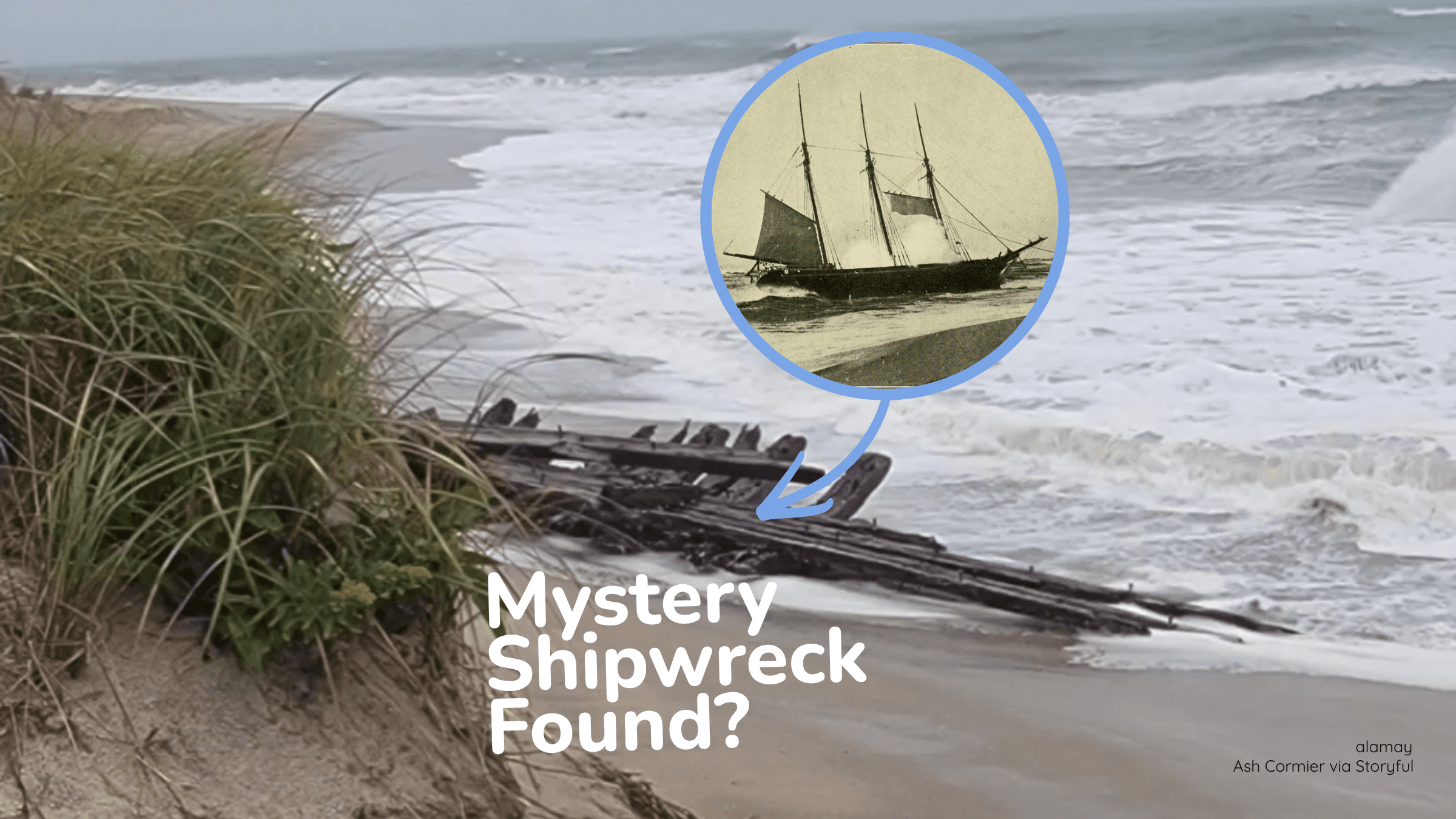
The nor'easter also appears to have uncovered a piece of Nantucket history.
Large wooden timbers emerged from the sand near Point of Breakers on the island's south shore. Local historians believe they may belong to the Warren Sawyer, a schooner that wrecked off Nantucket in December 1884 while carrying cotton and scrap iron from New Orleans to Boston. The captain and crew were rescued.
Conditions should improve more noticeably Tuesday, but road repairs, river flooding and cleanup will outlast the storm itself. Never walk or drive through floodwater, and check local alerts before traveling through an affected area.
For more on how the storm developed, read our earlier guide: September Noreaster 2026 What We Know About the East Coast Storm.