


Back to forecast
On This Day: Hurricane Dennis Hits Florida in 2005
July 9, 2020 at 09:13 PM EDT
By WeatherBug's Chris Sayles
This year marks the 15th anniversary of one Atlantic hurricane season that stood out from the rest. The tropical trouble that would set the tone of the 2005 season was none other than Hurricane Dennis.
On June 26, 2005, a tropical wave swept off the west coast of Africa. This tropical wave, though unorganized, would continue its trek westward across the Atlantic Ocean. By July 4, the unorganized cluster of storms would intensify into a tropical depression. A day later, this cluster of storms would strengthen into a tropical storm as it moved into the warmer waters of the Caribbean Sea. Thanks to favorable conditions such as warm waters and low wind shear, the ferocious Hurricane Dennis was born July 6, 2005.
Hurricane Dennis rapidly intensified and churned through the Caribbean Islands in the days that followed. Haiti was the first country to feel the wrath of Dennis as heavy rains and devastating winds ransacked the country. Deadly landslides and flooding led to the deaths of more than 50 people in Haiti and damages totaled $50 million U.S. dollars. Jamaica was the next in line to take the brunt of this catastrophic storm. Damages ringing to the tune of over $34 million U.S. dollars, with one death reported.
Packing sustained winds of 150 mph, making it a major Category 4 hurricane on the Saffir Simpson Hurricane Wind Scale, the storm slammed directly into Cuba on July 8. Cuba which had been pummeled by Hurricane Ivan just a little under a year before, received extensive damage from the monstrous storm. More than $1 billion worth of damage was done to Cuba and claimed the lives of 16 people. Dennis was known as the wettest storm to impact Cuba since Hurricane Flora in 1963. Cuba is a known seller of agricultural products such as fruits and vegetables, but these products were the hardest hit as the storm barreled down on the country. More than 100,000 homes were damaged and another 10,000 destroyed.
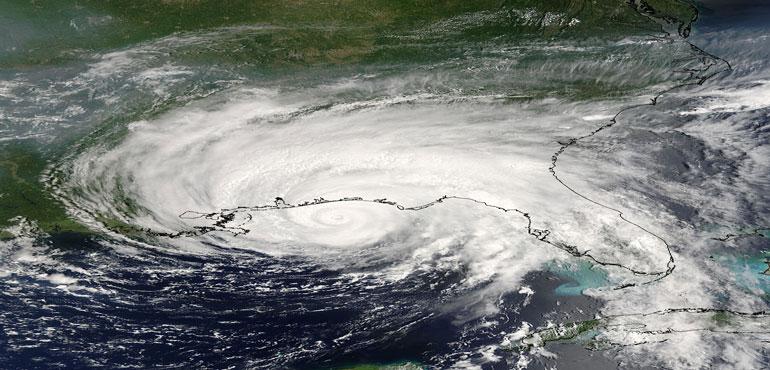
Dennis’ trail of destruction did not stop there, the system would strengthen after its inland trek across Cuba. Once again, Dennis moved into a new favorable environment in the Gulf of Mexico with its “eye” set on the eastern Gulf Coast. It did not take long for the United States to take the necessary precautions ahead of the storm’s projected landfall. Now a Category 4 storm, Hurricane Dennis was a monster with its lowest central pressure of 930 mb, or 27.46 inches of mercury, just off the west coast of Florida.
Dennis made landfall in the U.S. along the Florida Panhandle late on July 10 as a Category 3 storm, and it was here where the most damage was done. Florida received deadly storm surge from the relatively small storm, as well as heavy rain and damaging wind gusts. Pensacola, Fla., recorded nearly 8 inches of rainfall but there were reports of isolated totals reaching 12 inches in south-central Alabama. Peak winds when the storm made landfall came in at 120 mph just off the tip of the Florida Panhandle. Navarre Beach, Fla., saw six and a half feet of storm surge while Fort Morgan, Ala., recorded a little more than 7 feet of storm surge.
Dennis was a truly devastating storm, and as the fourth storm to a record-breaking season, it was a grim foreshadowing of things to come. Since Dennis was a smaller storm, damages were not as bad as previously feared. The U.S. was the hardest hit by the storm in terms of damages with a total of $2.5 billion U.S. dollars’ worth and 15 casualties. Due to the damages sustained in the United States and the Caribbean, the name Dennis was retired.
Dennis would not be the only storm of the 2005 Atlantic Hurricane Season to be retired though, as four more names were added to the retired list that year. Those included Hurricane Katrina, one of the most devastating storms in the history of the Gulf Coast. The other three storms to be retired that year included Hurricanes Rita, Stan and Wilma. The 2005 Atlantic Hurricane Season will be remembered for the most names to be retired in a single season since retirement was implemented by the World Meteorological Organization (WMO) in 1953.
Sources: NOAA, WMO, NHC
Story Image: Hurricane Dennis (04L) off United States Gulf Coast. (NASA EarthData)
On June 26, 2005, a tropical wave swept off the west coast of Africa. This tropical wave, though unorganized, would continue its trek westward across the Atlantic Ocean. By July 4, the unorganized cluster of storms would intensify into a tropical depression. A day later, this cluster of storms would strengthen into a tropical storm as it moved into the warmer waters of the Caribbean Sea. Thanks to favorable conditions such as warm waters and low wind shear, the ferocious Hurricane Dennis was born July 6, 2005.
Hurricane Dennis rapidly intensified and churned through the Caribbean Islands in the days that followed. Haiti was the first country to feel the wrath of Dennis as heavy rains and devastating winds ransacked the country. Deadly landslides and flooding led to the deaths of more than 50 people in Haiti and damages totaled $50 million U.S. dollars. Jamaica was the next in line to take the brunt of this catastrophic storm. Damages ringing to the tune of over $34 million U.S. dollars, with one death reported.
Packing sustained winds of 150 mph, making it a major Category 4 hurricane on the Saffir Simpson Hurricane Wind Scale, the storm slammed directly into Cuba on July 8. Cuba which had been pummeled by Hurricane Ivan just a little under a year before, received extensive damage from the monstrous storm. More than $1 billion worth of damage was done to Cuba and claimed the lives of 16 people. Dennis was known as the wettest storm to impact Cuba since Hurricane Flora in 1963. Cuba is a known seller of agricultural products such as fruits and vegetables, but these products were the hardest hit as the storm barreled down on the country. More than 100,000 homes were damaged and another 10,000 destroyed.
Dennis’ trail of destruction did not stop there, the system would strengthen after its inland trek across Cuba. Once again, Dennis moved into a new favorable environment in the Gulf of Mexico with its “eye” set on the eastern Gulf Coast. It did not take long for the United States to take the necessary precautions ahead of the storm’s projected landfall. Now a Category 4 storm, Hurricane Dennis was a monster with its lowest central pressure of 930 mb, or 27.46 inches of mercury, just off the west coast of Florida.
Dennis made landfall in the U.S. along the Florida Panhandle late on July 10 as a Category 3 storm, and it was here where the most damage was done. Florida received deadly storm surge from the relatively small storm, as well as heavy rain and damaging wind gusts. Pensacola, Fla., recorded nearly 8 inches of rainfall but there were reports of isolated totals reaching 12 inches in south-central Alabama. Peak winds when the storm made landfall came in at 120 mph just off the tip of the Florida Panhandle. Navarre Beach, Fla., saw six and a half feet of storm surge while Fort Morgan, Ala., recorded a little more than 7 feet of storm surge.
Dennis was a truly devastating storm, and as the fourth storm to a record-breaking season, it was a grim foreshadowing of things to come. Since Dennis was a smaller storm, damages were not as bad as previously feared. The U.S. was the hardest hit by the storm in terms of damages with a total of $2.5 billion U.S. dollars’ worth and 15 casualties. Due to the damages sustained in the United States and the Caribbean, the name Dennis was retired.
Dennis would not be the only storm of the 2005 Atlantic Hurricane Season to be retired though, as four more names were added to the retired list that year. Those included Hurricane Katrina, one of the most devastating storms in the history of the Gulf Coast. The other three storms to be retired that year included Hurricanes Rita, Stan and Wilma. The 2005 Atlantic Hurricane Season will be remembered for the most names to be retired in a single season since retirement was implemented by the World Meteorological Organization (WMO) in 1953.
Sources: NOAA, WMO, NHC
Story Image: Hurricane Dennis (04L) off United States Gulf Coast. (NASA EarthData)