


Back to forecast
On This Day: Sliced Bread Was First Sold
July 6, 2020 at 09:27 PM EDT
By WeatherBug Sr. Meteorologist, James West
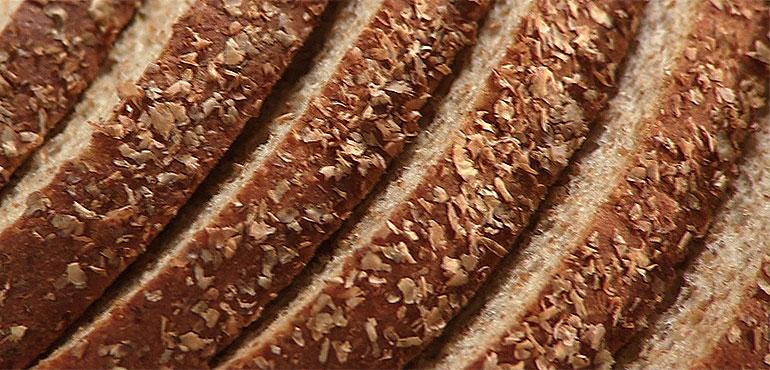
On July 7, 1928, the world changed dramatically; the first loaf of commercially sliced bread was sold.
However, even though the everyday convenience of opening a package of bread and picking out a slice or two of your favorite white, wheat or multigrain bread can be taken for granted now, it wasn’t always that way.
In fact, it took Otto Frederick Rohwedder, of Davenport, Iowa, more than 15 years to develop the machine that could slice an entire loaf of bread. After many attempts, including a fire that destroyed an early prototype and blueprints, Rodwedder’s first commercial machine was sold to the Chillicothe Baking Company of Chillicothe, Mo. The first loaf of sliced bread was sold on July 7, 1928.
St. Louis baker Gustav Papendick bought the second bread slicing machine and devised a way, using a cardboard tray, to keep the sliced loaves intact to allow mechanical packaging. And just like that, the convenience of prepackaged sliced bread was born!
It didn’t take long for bakeries nationwide to embrace the sliced bread revolution. Holsum Bread quickly pioneered the promotion of sliced bread and Wonder Bread first marketed its sliced bread nationally in 1930. By 1932, a standardized slice became the norm, allowing pop-up toasters to become a common kitchen appliance and bank giveaway for opening a new account.
Americans embraced the convenience of slice bread quickly. It only took three years for bakeries to produce more sliced bread than unsliced bread loaves. Wonder Bread, among other bakeries, started enriching its bread with vitamins and minerals in the 1940s, helping to combat certain diseases caused by malnourishment.
Sliced bread took a brief hiatus during World War II. For the first several months of 1943, sliced bread was prohibited amid a steel shortage used in bread machines and a plan was designed to conserve the wax paper needed to preserve the bread. After public outcry and political pressure, the sliced bread ban was lifted, and sliced bread returned to grocery stores.
Today, sliced bread is ubiquitous worldwide and without Rohwedder’s invention, how could we compare the next big invention to “the best thing since sliced bread.” However, as bread lovers will insist, the best thing since sliced bread, is well, sliced bread.
Image: Close-up of sliced whole-grain bread (U.S. Food and Drug Administration)
Source: Wikipedia
However, even though the everyday convenience of opening a package of bread and picking out a slice or two of your favorite white, wheat or multigrain bread can be taken for granted now, it wasn’t always that way.
In fact, it took Otto Frederick Rohwedder, of Davenport, Iowa, more than 15 years to develop the machine that could slice an entire loaf of bread. After many attempts, including a fire that destroyed an early prototype and blueprints, Rodwedder’s first commercial machine was sold to the Chillicothe Baking Company of Chillicothe, Mo. The first loaf of sliced bread was sold on July 7, 1928.
St. Louis baker Gustav Papendick bought the second bread slicing machine and devised a way, using a cardboard tray, to keep the sliced loaves intact to allow mechanical packaging. And just like that, the convenience of prepackaged sliced bread was born!
It didn’t take long for bakeries nationwide to embrace the sliced bread revolution. Holsum Bread quickly pioneered the promotion of sliced bread and Wonder Bread first marketed its sliced bread nationally in 1930. By 1932, a standardized slice became the norm, allowing pop-up toasters to become a common kitchen appliance and bank giveaway for opening a new account.
Americans embraced the convenience of slice bread quickly. It only took three years for bakeries to produce more sliced bread than unsliced bread loaves. Wonder Bread, among other bakeries, started enriching its bread with vitamins and minerals in the 1940s, helping to combat certain diseases caused by malnourishment.
Sliced bread took a brief hiatus during World War II. For the first several months of 1943, sliced bread was prohibited amid a steel shortage used in bread machines and a plan was designed to conserve the wax paper needed to preserve the bread. After public outcry and political pressure, the sliced bread ban was lifted, and sliced bread returned to grocery stores.
Today, sliced bread is ubiquitous worldwide and without Rohwedder’s invention, how could we compare the next big invention to “the best thing since sliced bread.” However, as bread lovers will insist, the best thing since sliced bread, is well, sliced bread.
Image: Close-up of sliced whole-grain bread (U.S. Food and Drug Administration)
Source: Wikipedia