Back to forecast
On This Day in 1876- Worst Rail Accident in U.S. History
December 28, 2020 at 06:05 PM EST
By WeatherBug Sr. Meteorologist, Chad Merrill
The establishment of the railroad system in the mid-1800s was a huge success for the U.S. Not only did it allow people from far reaches in the U.S. to be connected, but this transportation mode marked a huge leap in technological advancement. However, the U.S. soon learned that even the greatest successes have their flaws. A train accident 144 years ago was compounded by fierce weather conditions that led to a disaster of epic proportions.
The Pacific Express departed Erie, Pa., in the afternoon on December 29, 1876, in a raging winter storm. Reports indicate two feet of snow and wind gusts to 40 mph slammed northern Ohio and adjacent northwestern Pennsylvania on that day.
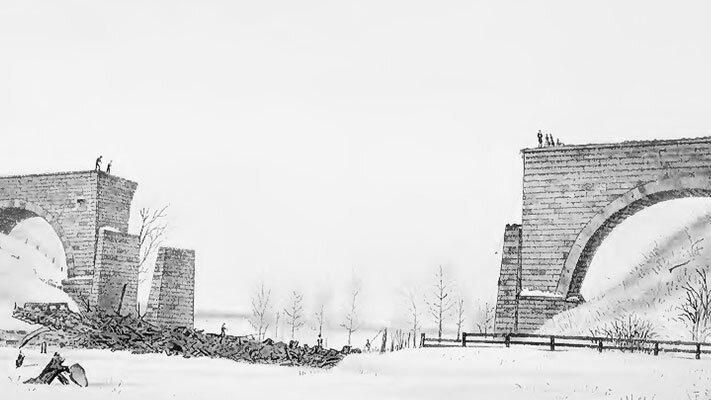
The Lake Shore and Michigan Southern Railway Train No. 5 plowed through the snow and crossed a bridge over Ashtabula River northeast of Cleveland. Socrates, the lead locomotive, made it across the river. The second locomotive named “Columbia” was only 100 yards, the length of a football field, away from the railroad station in Ashtabula, Ohio, when passengers on board heard a loud cracking sound. Just seconds later, at 7:28 p.m., the bridge buckled and the train plummeted 70 feet or the equivalent of 7 stories into the icy Ashtabula River.
Eleven railcars, including two express cars, two baggage cars, one smoking car, two passenger cars, three sleeping cars and a caboose fell into the river. The wooden cars were ignited by a fire, set by kerosene-heating stoves and burning lamps. These individual fires combined into a monstrous inferno within a few minutes.
Unfortunately, the nearby railroad station was unprepared to handle emergencies. More than half of the 159 passengers on board died in the rail accident and 64 people were injured. Almost 50 people who died in the accident were unrecognizable due to the raging inferno that engulfed the train cars.
The incident became the worst rail accident in American History and in 1896, a monument was placed in Ashtabula’s Chestnut Grove Cemetery in honor of the unidentified people who died in the Ashtabula Railroad disaster.
A very important lesson was learned from the Ashtabula Railroad disaster. A report following the accident found the bridge was poorly designed and maintenance was poor. Engineers led efforts to establish standards for bridges, including testing and inspection. The goal—to avoid such a catastrophe in the future.
42 years later, the Great Train Wreck of 1918 became the worst rail disaster in U.S. history. It occurred near Nashville, Tenn., when two trains collided head-on in an accident heard for miles and miles. There is no evidence that inclement weather and poor bridge construction were to blame. This accident was simply an oversight by one of the engineers that allowed the outbound and inbound trains to collide. A total of 101 people were killed in that train accident, succeeding the Ashtabula Railroad disaster by nine deaths.
Sources: NOAA, unremembered history.com, National Museum of American History, GenDisasters.com
---------
Story Image: A drawing showing the collapsed railroad bridge at Ashtabula, Ohio. (William W. Williams/Wikimedia Commons).
The Pacific Express departed Erie, Pa., in the afternoon on December 29, 1876, in a raging winter storm. Reports indicate two feet of snow and wind gusts to 40 mph slammed northern Ohio and adjacent northwestern Pennsylvania on that day.
The Lake Shore and Michigan Southern Railway Train No. 5 plowed through the snow and crossed a bridge over Ashtabula River northeast of Cleveland. Socrates, the lead locomotive, made it across the river. The second locomotive named “Columbia” was only 100 yards, the length of a football field, away from the railroad station in Ashtabula, Ohio, when passengers on board heard a loud cracking sound. Just seconds later, at 7:28 p.m., the bridge buckled and the train plummeted 70 feet or the equivalent of 7 stories into the icy Ashtabula River.
Eleven railcars, including two express cars, two baggage cars, one smoking car, two passenger cars, three sleeping cars and a caboose fell into the river. The wooden cars were ignited by a fire, set by kerosene-heating stoves and burning lamps. These individual fires combined into a monstrous inferno within a few minutes.
Unfortunately, the nearby railroad station was unprepared to handle emergencies. More than half of the 159 passengers on board died in the rail accident and 64 people were injured. Almost 50 people who died in the accident were unrecognizable due to the raging inferno that engulfed the train cars.
The incident became the worst rail accident in American History and in 1896, a monument was placed in Ashtabula’s Chestnut Grove Cemetery in honor of the unidentified people who died in the Ashtabula Railroad disaster.
A very important lesson was learned from the Ashtabula Railroad disaster. A report following the accident found the bridge was poorly designed and maintenance was poor. Engineers led efforts to establish standards for bridges, including testing and inspection. The goal—to avoid such a catastrophe in the future.
42 years later, the Great Train Wreck of 1918 became the worst rail disaster in U.S. history. It occurred near Nashville, Tenn., when two trains collided head-on in an accident heard for miles and miles. There is no evidence that inclement weather and poor bridge construction were to blame. This accident was simply an oversight by one of the engineers that allowed the outbound and inbound trains to collide. A total of 101 people were killed in that train accident, succeeding the Ashtabula Railroad disaster by nine deaths.
Sources: NOAA, unremembered history.com, National Museum of American History, GenDisasters.com
---------
Story Image: A drawing showing the collapsed railroad bridge at Ashtabula, Ohio. (William W. Williams/Wikimedia Commons).