


Back to forecast
On This Day in 1913: Deadly Tornado Strikes Omaha
March 22, 2023 at 01:54 PM EDT
By WeatherBug Meteorologist, Matt Mehallow
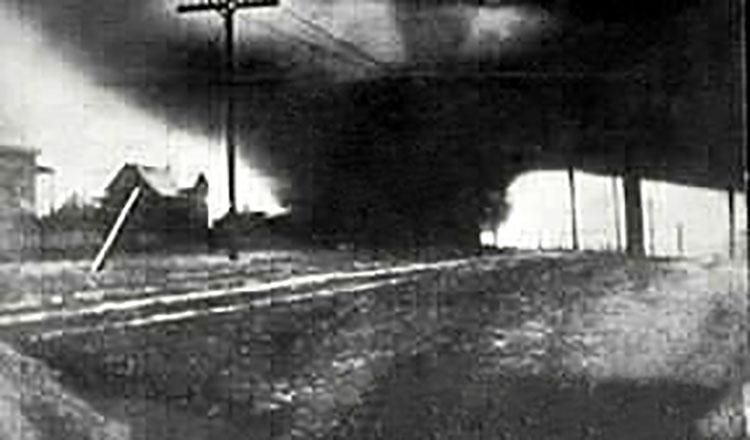
Easter Sunday ended tragically in the Omaha, Neb., area on March 23, 1913, when a powerful tornado swept through Ralston and Omaha in the evening. The tornado was part of one of the most violent tornado outbreaks to affect the northern Great Plains and resulted in the darkest day in Nebraska severe weather history.
The potent tornado hit Ralston and Omaha without notice at approximately 6 p.m. on March 23. The storm's path was reported as being one-fourth to one-half mile wide and destroyed thousands of buildings and homes. Ralston was nearly completely leveled less than a year after its incorporation as a city.
The huge twister carved a swath two to six blocks wide and 4.5 miles long over Omaha. The storm moved north and skirted the downtown area before heading into Iowa, where it caused more widespread devastation before dissipating. Both rich and poor sections of Omaha were devastated, where an estimated 103 people were killed and 350 were injured.
Around 750 of Omaha's over 2,000 damaged residences were destroyed. Among the buildings damaged or destroyed were ten churches, five schools, three convents and a hospital. Electricity, telephone and telegraph cables, as well as streetcars and railcars, were destroyed. Broken natural gas lines and overturned wood-burning stoves sparked widespread fire.
Damage in Omaha reached at least F4 intensity, possibly F5, however confirmation of F5 damage could not be verified based on available information from post-tornado damage assessments. The damage was estimated to be $8.7 million ($1913 USD).
Six other tornadoes struck eastern Nebraska and western Iowa during the March 23 outbreak, killing 65 people and injuring 240 more. Three of the six tornadoes were rated F4, two attained F3 intensity and the other reached F2 status.
Source(s): National Weather Service, spc.noaa.gov
Story Image: The 1913 Omaha Tornado which devastated much of the downtown core of the city as well as suburban Council Bluffs, Iowa. (Courtesy of Historic Omaha.com/Wikimedia Commons)
The potent tornado hit Ralston and Omaha without notice at approximately 6 p.m. on March 23. The storm's path was reported as being one-fourth to one-half mile wide and destroyed thousands of buildings and homes. Ralston was nearly completely leveled less than a year after its incorporation as a city.
The huge twister carved a swath two to six blocks wide and 4.5 miles long over Omaha. The storm moved north and skirted the downtown area before heading into Iowa, where it caused more widespread devastation before dissipating. Both rich and poor sections of Omaha were devastated, where an estimated 103 people were killed and 350 were injured.
Around 750 of Omaha's over 2,000 damaged residences were destroyed. Among the buildings damaged or destroyed were ten churches, five schools, three convents and a hospital. Electricity, telephone and telegraph cables, as well as streetcars and railcars, were destroyed. Broken natural gas lines and overturned wood-burning stoves sparked widespread fire.
Damage in Omaha reached at least F4 intensity, possibly F5, however confirmation of F5 damage could not be verified based on available information from post-tornado damage assessments. The damage was estimated to be $8.7 million ($1913 USD).
Six other tornadoes struck eastern Nebraska and western Iowa during the March 23 outbreak, killing 65 people and injuring 240 more. Three of the six tornadoes were rated F4, two attained F3 intensity and the other reached F2 status.
Source(s): National Weather Service, spc.noaa.gov
Story Image: The 1913 Omaha Tornado which devastated much of the downtown core of the city as well as suburban Council Bluffs, Iowa. (Courtesy of Historic Omaha.com/Wikimedia Commons)