Back to forecast
On This Day in 1965: South Platte and Arkansas River Floods
June 16, 2021 at 10:47 AM EDT
By WeatherBug's Ali Husain
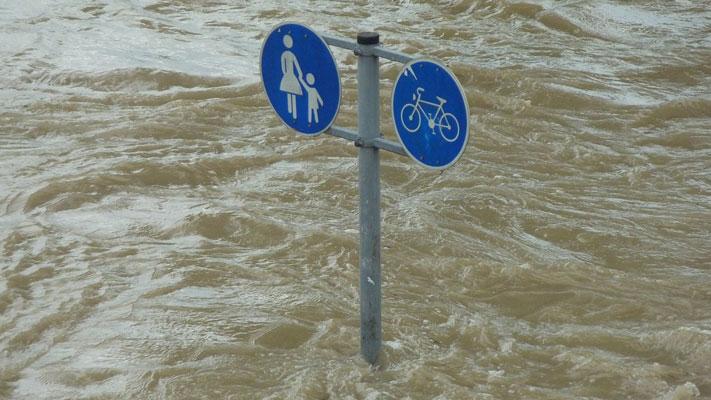
The 1965 South Platte River flood was one of the worst natural disasters in Denver’s history.
The final damage was estimated at $543 million (4.4 billion in today’s dollars) and claimed 21 lives. While two other Colorado floods have claimed more lives (Big Thompson flood in 1976 and the Arkansas River flood in 1921), the South Platte River flood caused the most property destruction.
The Denver area began as a collection of encampments by the confluence of Cherry Creek and the South Platter River. Little consideration was given to the floodplains, despite Arapaho and Cheyenne warnings that the South Platte could be dangerous, including an 1844 flood where the river had risen twenty feet. This wasn’t the first-time settlers ignored the native people, and it wouldn’t be the last.
Cherry Creek first flooded the city in 1864, and then five more times over the next fifty years. By the time of the great 1912 flood, there were retaining walls and the channel had been widened, but Cherry Creek continued to exact its toll on the settlers until the Cherry Creek Dam was completed in 1950.
While attention was focused on restraining Cherry Creek, little thought was given to the relatively placid South Platte River. It didn’t help that the river had become a cesspool of animal carcasses, old tires and rejected feathers from a pillow factory. By the 1960’s, over half a dozen landfills had been created along the river, with more than 250 drains pouring directly into it, dumping stormwater and salt from city streets along with raw sewage. The only residents of the banks were living in hobo camps. All in all, the South Platte River was out of sight, out of mind.
In late spring 1965, Colorado’s Front Range experienced several unusual weather events, including high winds, hailstorms, and exceptionally heavy rains. On June 14th, southeast Colorado Springs was hit by golf-ball-sized hail and a tornado. The next day, rain and hail swept northeast, drowning livestock and submerging some towns under three feet of water.
On the 16th of June, a tornado swept down from the sky, accompanied by heavy rain. 14 inches of rain fell on Dawson Butte, 35 miles outside of Denver, in just four hours. Flood watcher H.F. Mattai reported that “creeks overflowed, roads became rivers, and fields became lakes—all in a matter of minutes.”
The runoff moved past East Plum Creek, wiping out roads and bridges in its path. The creek, usually no more than a few feet across, stretched almost a mile wide as it moved north.
The creek poured into the South Platte River, with a wall of water reportedly twenty feet high heading for Littleton, about 10 miles outside of downtown Denver. The water was only one concern—decades of neglect and pollution had put hazardous materials right in the path of the advancing water, including empty fuel tanks, old cars and heavy equipment, giving the floodwaters even more ammunition to destroy with.
The flood managed to reach downtown Denver around 8 p.m. that night. While viaducts spared downtown from the water, the surrounding areas were less lucky. The Tivoli Brewery, warehouses, and the West Denver neighborhood the Bottoms were all destroyed by the flooding.
The storm front and flooding continued moving east over the next few days, prompting evacuations as far as Dodge City, Kan. Several rainfall records were set, including a state-wide record of 11.08 inches in Holly, Co., on June 17th that lasted until 2014.
The Cherry Creek reservoir rose 16 feet the night of the flood, but the dam itself held, preventing hundreds more casualties. Of course, due to the constraints of the time, the official casualty report of 21 lives may be significantly low-balled, especially considering the socioeconomic status of those living around the South Platte River at the time.
As a result, more attention was finally turned to managing the South Platte. A dam was erected by 1975, and though the Platte flooded twice during its construction, those floods barely held a candle to the events in 1965.
Source : The Colorado Encyclopedia
---
Story Image: Flooding via Pixabay
The final damage was estimated at $543 million (4.4 billion in today’s dollars) and claimed 21 lives. While two other Colorado floods have claimed more lives (Big Thompson flood in 1976 and the Arkansas River flood in 1921), the South Platte River flood caused the most property destruction.
The Denver area began as a collection of encampments by the confluence of Cherry Creek and the South Platter River. Little consideration was given to the floodplains, despite Arapaho and Cheyenne warnings that the South Platte could be dangerous, including an 1844 flood where the river had risen twenty feet. This wasn’t the first-time settlers ignored the native people, and it wouldn’t be the last.
Cherry Creek first flooded the city in 1864, and then five more times over the next fifty years. By the time of the great 1912 flood, there were retaining walls and the channel had been widened, but Cherry Creek continued to exact its toll on the settlers until the Cherry Creek Dam was completed in 1950.
While attention was focused on restraining Cherry Creek, little thought was given to the relatively placid South Platte River. It didn’t help that the river had become a cesspool of animal carcasses, old tires and rejected feathers from a pillow factory. By the 1960’s, over half a dozen landfills had been created along the river, with more than 250 drains pouring directly into it, dumping stormwater and salt from city streets along with raw sewage. The only residents of the banks were living in hobo camps. All in all, the South Platte River was out of sight, out of mind.
In late spring 1965, Colorado’s Front Range experienced several unusual weather events, including high winds, hailstorms, and exceptionally heavy rains. On June 14th, southeast Colorado Springs was hit by golf-ball-sized hail and a tornado. The next day, rain and hail swept northeast, drowning livestock and submerging some towns under three feet of water.
On the 16th of June, a tornado swept down from the sky, accompanied by heavy rain. 14 inches of rain fell on Dawson Butte, 35 miles outside of Denver, in just four hours. Flood watcher H.F. Mattai reported that “creeks overflowed, roads became rivers, and fields became lakes—all in a matter of minutes.”
The runoff moved past East Plum Creek, wiping out roads and bridges in its path. The creek, usually no more than a few feet across, stretched almost a mile wide as it moved north.
The creek poured into the South Platte River, with a wall of water reportedly twenty feet high heading for Littleton, about 10 miles outside of downtown Denver. The water was only one concern—decades of neglect and pollution had put hazardous materials right in the path of the advancing water, including empty fuel tanks, old cars and heavy equipment, giving the floodwaters even more ammunition to destroy with.
The flood managed to reach downtown Denver around 8 p.m. that night. While viaducts spared downtown from the water, the surrounding areas were less lucky. The Tivoli Brewery, warehouses, and the West Denver neighborhood the Bottoms were all destroyed by the flooding.
The storm front and flooding continued moving east over the next few days, prompting evacuations as far as Dodge City, Kan. Several rainfall records were set, including a state-wide record of 11.08 inches in Holly, Co., on June 17th that lasted until 2014.
The Cherry Creek reservoir rose 16 feet the night of the flood, but the dam itself held, preventing hundreds more casualties. Of course, due to the constraints of the time, the official casualty report of 21 lives may be significantly low-balled, especially considering the socioeconomic status of those living around the South Platte River at the time.
As a result, more attention was finally turned to managing the South Platte. A dam was erected by 1975, and though the Platte flooded twice during its construction, those floods barely held a candle to the events in 1965.
Source : The Colorado Encyclopedia
---
Story Image: Flooding via Pixabay