Back to forecast
On This Day in 1970: Deadliest Cyclone Hits
November 11, 2020 at 04:31 PM EST
By WeatherBug Sr. Meteorologist, James West
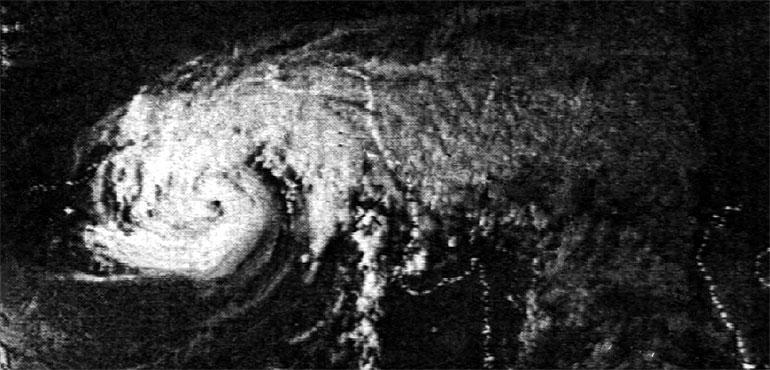
The deadliest tropical system in history, the 1970 Bhola Cyclone, hit present-day Bangladesh and India’s West Bengal on November 12, 1970. An estimated half-million people drowned.
The cyclone, equivalent to a typhoon or hurricane, formed on November 8 in the central Bay of Bengal from the remnants of a Pacific tropical storm that moved across modern day Malaysia. The newly formed cyclone moved slowly north across the very warm waters of the Bay of Bengal. On November 10, it started to move northward and intensify and on November 10, turning to the northeast, it reached its peak strength. Maximum sustained winds were 115 mph with gusts in of 150 mph, making it equivalent to a Category 3 hurricane on the Saffir-Simpson Hurricane Wind Scale.
On November 12, the cyclone barreled into the low-lying islands and delta region of Eastern Pakistan, modern-day Bangladesh. A storm surge estimated to reach 20 feet swamped the entire coastal area, destroying more than 85 percent of all homes. It is estimated that the surge drowned an estimated 300,000 to 500,000 people, with 46,000 of the deaths being local fisherman.
Local media and government reports stated that populations of 13 islands in cyclone’s path were obliterated by the storm, with Bhola Island, near the location of landfall, having extensive damage to its rice crop.
The high death toll was the result of communication failures. East Pakistan was very poor at the time and warnings of the incoming cyclone were only broadcast over government radio stations. Those warnings did not communicate the danger of situation sufficiently, with many people in the path of the cyclone either not receiving or understanding the developing dire situation.
In fact, the then Pakistan’s government response before, during and after the cyclone was widely criticized by local politicians and the international community. During local elections held only a month after the cyclone hit, an opposition party won in a landslide. This opposition lead to unrest, a civil war and eventually the creation of the independent country of Bangladesh.
The 1970 Bhola Cyclone is considered the deadliest tropical cyclone and one of the biggest natural disasters in modern history. The cyclone did bring widespread changes to the country’s disaster planning. Concrete storm shelters were constructed and education and communication programs were created by the Red Crescent and local governments to communicate cyclone dangers. In 1991, the system was tested by an even stronger Category 5 cyclone. Although nearly 150,000 people died in that disaster, many people in vulnerable communities evacuated to higher ground.
Source: Wikimedia, Brittanica
Image: Bhola Cyclone on November 11, 1970. NOAA
The cyclone, equivalent to a typhoon or hurricane, formed on November 8 in the central Bay of Bengal from the remnants of a Pacific tropical storm that moved across modern day Malaysia. The newly formed cyclone moved slowly north across the very warm waters of the Bay of Bengal. On November 10, it started to move northward and intensify and on November 10, turning to the northeast, it reached its peak strength. Maximum sustained winds were 115 mph with gusts in of 150 mph, making it equivalent to a Category 3 hurricane on the Saffir-Simpson Hurricane Wind Scale.
On November 12, the cyclone barreled into the low-lying islands and delta region of Eastern Pakistan, modern-day Bangladesh. A storm surge estimated to reach 20 feet swamped the entire coastal area, destroying more than 85 percent of all homes. It is estimated that the surge drowned an estimated 300,000 to 500,000 people, with 46,000 of the deaths being local fisherman.
Local media and government reports stated that populations of 13 islands in cyclone’s path were obliterated by the storm, with Bhola Island, near the location of landfall, having extensive damage to its rice crop.
The high death toll was the result of communication failures. East Pakistan was very poor at the time and warnings of the incoming cyclone were only broadcast over government radio stations. Those warnings did not communicate the danger of situation sufficiently, with many people in the path of the cyclone either not receiving or understanding the developing dire situation.
In fact, the then Pakistan’s government response before, during and after the cyclone was widely criticized by local politicians and the international community. During local elections held only a month after the cyclone hit, an opposition party won in a landslide. This opposition lead to unrest, a civil war and eventually the creation of the independent country of Bangladesh.
The 1970 Bhola Cyclone is considered the deadliest tropical cyclone and one of the biggest natural disasters in modern history. The cyclone did bring widespread changes to the country’s disaster planning. Concrete storm shelters were constructed and education and communication programs were created by the Red Crescent and local governments to communicate cyclone dangers. In 1991, the system was tested by an even stronger Category 5 cyclone. Although nearly 150,000 people died in that disaster, many people in vulnerable communities evacuated to higher ground.
Source: Wikimedia, Brittanica
Image: Bhola Cyclone on November 11, 1970. NOAA