


Back to forecast
On This Day in 1982: Hurricane Iwa Lashes Hawaii
November 23, 2021 at 10:55 AM EST
By WeatherBug Sr. Meteorologist, James Aman
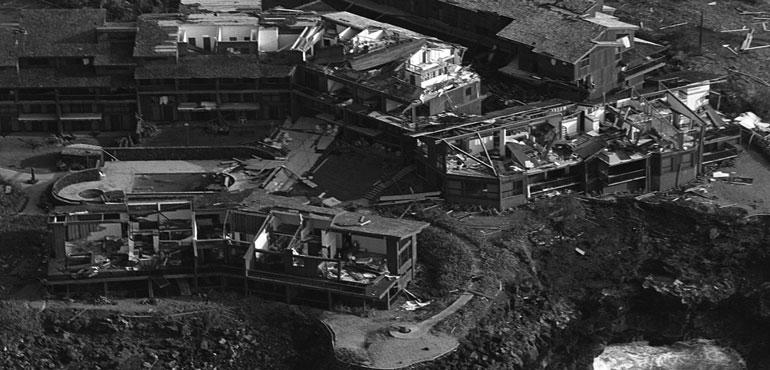
The Hawaiian Islands rarely see direct landfalls by hurricanes, but the western end of the island chain was hit hard by a near-miss just before Thanksgiving back in 1982.
In mid-November of 1982, a large area of thunderstorms was near the equator in the eastern Pacific Ocean. On November 18, satellite pictures showed a swirling circulation beginning to develop. By the next morning, the system had developed into Tropical Storm Iwa, and the first advisories were issued by the National Weather Service Central Pacific Hurricane Center.
Over the next few days, the storm moved towards the north and intensified, reaching hurricane strength on November 22. Early on the 23rd, an Air Force reconnaissance flight found sustained winds of 90 mph with higher gusts. During the day, the hurricane increased forward speed. On the evening of November 23 into early November 24, the center of Hurricane Iwa passed just west of Kauai and near Niihau, the two westernmost of the Hawaiian Islands.
The strongest winds and waves are generally just east of the center of a hurricane. Even though Hurricane Iwa was only a Category 1 storm, and it did not make a direct landfall, the worst part of the storm directly impacted Kauai and Niihau. Wind gusts over 100 mph were recorded, leading to severe wind damage on Niihau, Kauai and on Oahu as well. The southern coastlines of Oahu and Kauai had heavy damage due to huge waves and coastal flooding. While rainfall was very heavy, it only lasted for a short period of time. In fact, the quick movement of the storm limited inland flooding across the island chain.
Damages from Hurricane Iwa totaled more than 300 million dollars in 1982 (over $800 million today). Several lives were lost either during the storm or in the clean-up after the storm. Additionally, over 100 people were treated for injuries stemming from the devasting storm. The hurricane damaged or destroyed thousands of homes.
In the aftermath of Iwa, areas of Oahu, Kauai and Niihau remained without electrical power for several weeks. Some families even had to do their Thanksgiving cooking outdoors on grills or fireplaces.
Credit: NOAA NWS Central Pacific Hurricane Center
-------------------
Story Image: Aerial view of housing development damage via The U.S. National Archives
In mid-November of 1982, a large area of thunderstorms was near the equator in the eastern Pacific Ocean. On November 18, satellite pictures showed a swirling circulation beginning to develop. By the next morning, the system had developed into Tropical Storm Iwa, and the first advisories were issued by the National Weather Service Central Pacific Hurricane Center.
Over the next few days, the storm moved towards the north and intensified, reaching hurricane strength on November 22. Early on the 23rd, an Air Force reconnaissance flight found sustained winds of 90 mph with higher gusts. During the day, the hurricane increased forward speed. On the evening of November 23 into early November 24, the center of Hurricane Iwa passed just west of Kauai and near Niihau, the two westernmost of the Hawaiian Islands.
The strongest winds and waves are generally just east of the center of a hurricane. Even though Hurricane Iwa was only a Category 1 storm, and it did not make a direct landfall, the worst part of the storm directly impacted Kauai and Niihau. Wind gusts over 100 mph were recorded, leading to severe wind damage on Niihau, Kauai and on Oahu as well. The southern coastlines of Oahu and Kauai had heavy damage due to huge waves and coastal flooding. While rainfall was very heavy, it only lasted for a short period of time. In fact, the quick movement of the storm limited inland flooding across the island chain.
Damages from Hurricane Iwa totaled more than 300 million dollars in 1982 (over $800 million today). Several lives were lost either during the storm or in the clean-up after the storm. Additionally, over 100 people were treated for injuries stemming from the devasting storm. The hurricane damaged or destroyed thousands of homes.
In the aftermath of Iwa, areas of Oahu, Kauai and Niihau remained without electrical power for several weeks. Some families even had to do their Thanksgiving cooking outdoors on grills or fireplaces.
Credit: NOAA NWS Central Pacific Hurricane Center
-------------------
Story Image: Aerial view of housing development damage via The U.S. National Archives