


Back to forecast
On This Day in 1996: Largest IL Tornado Outbreak in History
April 18, 2022 at 10:32 AM EDT
By WeatherBug Meteorologist Matt Mehallow
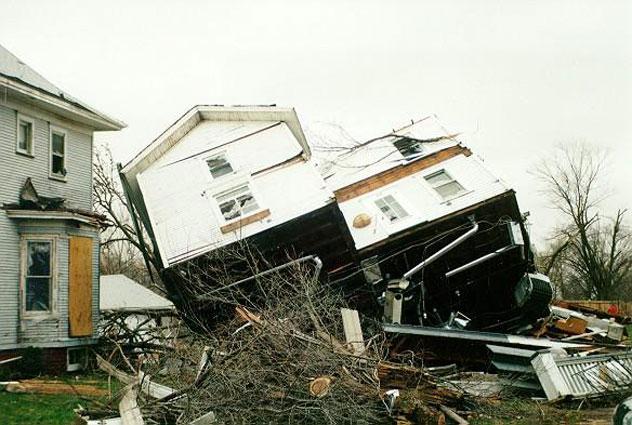
The largest recorded tornado outbreak in Illinois history transpired during the afternoon and evening on April 19, 1996. The day began with considerable cloud cover and cool temperatures, but as a warm front moved northward across central Illinois, temperatures and dewpoints climbed. The result was thunderstorms capable of producing supercells developing late in the afternoon, which led to 39 tornadoes causing chaos and destruction across the state.
The setup for this severe weather outbreak featured a strong, quick-moving upper-level disturbance along with a potent surface low. As the intensifying surface low moved into southwest Iowa midday, its central pressure dropped 7 millibars and many stations in western and central Illinois saw 6 millibar drops in only a 3 hour period. Strong south-southeast winds during the late morning and early afternoon hours in the wake of a warm front brought higher dewpoints northward in advance of a dryline. The addition of strong wind shear throughout the atmosphere meant tornado development was favored. The combination of all these factors led to explosive severe thunderstorm growth across eastern Iowa and west central Illinois during maximum daytime heating.
During the afternoon and evening, tornadoes varied in strength from F0 to F3, which delivered major damage, injuries and the loss of life. One supercell thunderstorm spawned 10 tornadoes and out of those ten tornadoes, one was an F2 that rammed through Jacksonville, tossing two railroad cars and damaging parts of a prison and four houses. This same storm moved on and generated three stronger tornadoes, all rated F3, leaving a trail of destruction in Decatur, Champaign/Urbana and Ogden. There was nearly $30 million in damages and 54 injuries due to this one supercell. The strongest of these tornadoes hit Ogden, with winds reaching 170 mph. The twister demolished 68 homes, 12 businesses, 3 churches, and a local grade school. There was also one fatality as it hit a semi-trailer travelling on I-74.
This significant outbreak of tornadic supercell thunderstorms in Illinois, where 39 tornadoes were recorded, set a single-day record and exceeded the state’s average annual number of tornadoes of 26. The largest previous outbreak was 25 tornadoes on August 10, 1974. The Illinois tornadoes caused an estimated $54 million in damage in 31 counties with one fatality. In totality, most of the tornadoes on this day were short lived, but a few persisted for over 20 minutes. The longest documented tornado track was just over 21 miles in Marion County.
Source: weather.gov, Wikipedia
Story Image: Tornado damage in Galva, Illinois on April 20th, 1996. (National Weather Service Davenport, Iowa)
The setup for this severe weather outbreak featured a strong, quick-moving upper-level disturbance along with a potent surface low. As the intensifying surface low moved into southwest Iowa midday, its central pressure dropped 7 millibars and many stations in western and central Illinois saw 6 millibar drops in only a 3 hour period. Strong south-southeast winds during the late morning and early afternoon hours in the wake of a warm front brought higher dewpoints northward in advance of a dryline. The addition of strong wind shear throughout the atmosphere meant tornado development was favored. The combination of all these factors led to explosive severe thunderstorm growth across eastern Iowa and west central Illinois during maximum daytime heating.
During the afternoon and evening, tornadoes varied in strength from F0 to F3, which delivered major damage, injuries and the loss of life. One supercell thunderstorm spawned 10 tornadoes and out of those ten tornadoes, one was an F2 that rammed through Jacksonville, tossing two railroad cars and damaging parts of a prison and four houses. This same storm moved on and generated three stronger tornadoes, all rated F3, leaving a trail of destruction in Decatur, Champaign/Urbana and Ogden. There was nearly $30 million in damages and 54 injuries due to this one supercell. The strongest of these tornadoes hit Ogden, with winds reaching 170 mph. The twister demolished 68 homes, 12 businesses, 3 churches, and a local grade school. There was also one fatality as it hit a semi-trailer travelling on I-74.
This significant outbreak of tornadic supercell thunderstorms in Illinois, where 39 tornadoes were recorded, set a single-day record and exceeded the state’s average annual number of tornadoes of 26. The largest previous outbreak was 25 tornadoes on August 10, 1974. The Illinois tornadoes caused an estimated $54 million in damage in 31 counties with one fatality. In totality, most of the tornadoes on this day were short lived, but a few persisted for over 20 minutes. The longest documented tornado track was just over 21 miles in Marion County.
Source: weather.gov, Wikipedia
Story Image: Tornado damage in Galva, Illinois on April 20th, 1996. (National Weather Service Davenport, Iowa)