Back to forecast
On This Day in 2011: Catastrophic Severe Weather Outbreak
April 27, 2024 at 09:30 AM EDT
By WeatherBug Meteorologist, Fred Allen
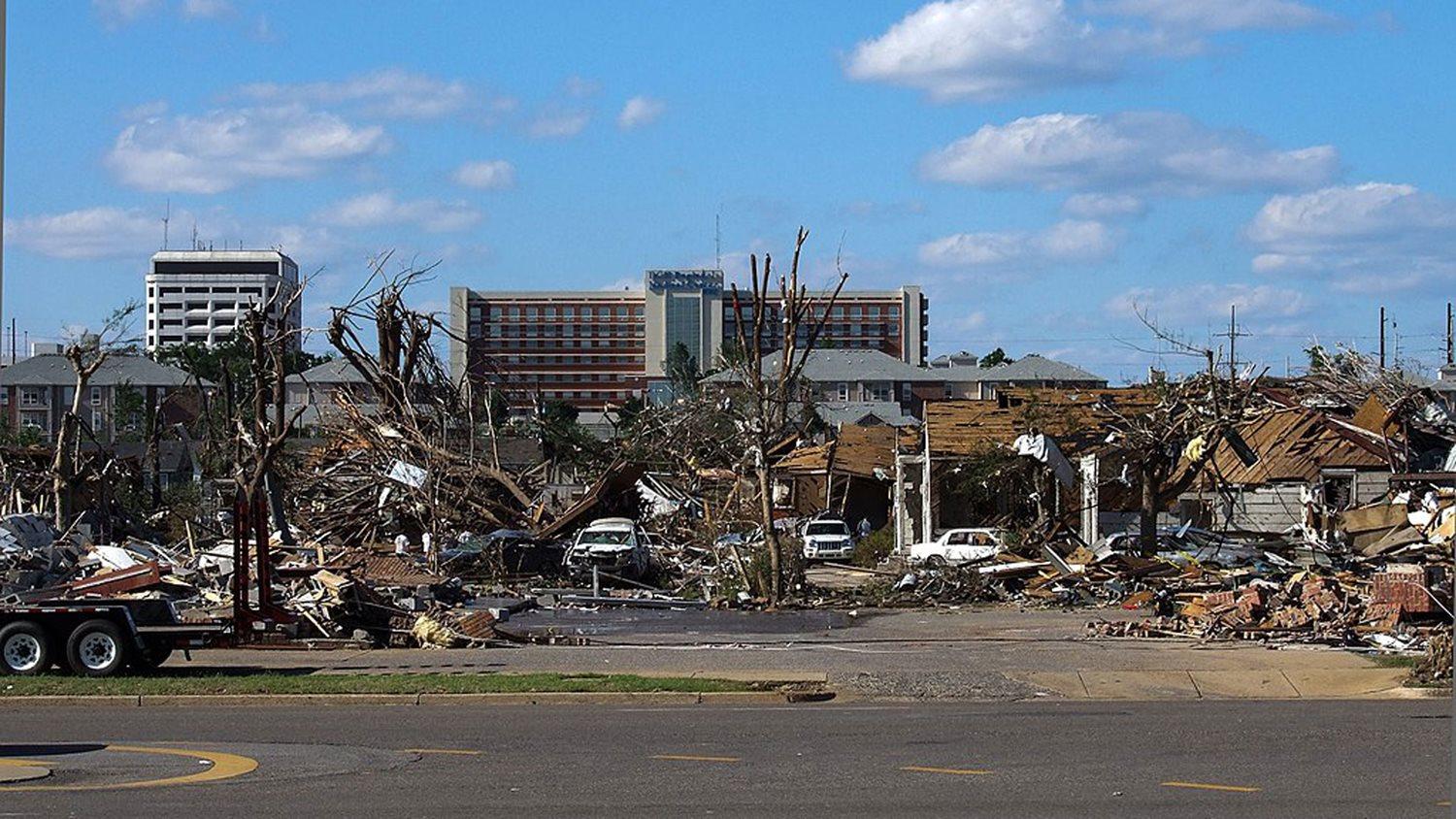
A historic, unprecedented, unmatched and a nightmare of a tornado outbreak on April 27, 2011 will be forever remembered from Mississippi and Alabama to New York State.
Rather than a single wave of severe weather, this outbreak was a multitude, with some folks in Alabama struck more than once! A powerful supercell thunderstorm tracked approximately 380 miles from Newton County, Miss., to Macon County, N.C., for more than 7 hours is the same thunderstorm that packed the EF-4 Tuscaloosa-Birmingham, Ala., twister that left 65 dead and 1,500 more injured. Of course, violent, long-track tornadoes had occurred earlier on the morning of April 27 as well.
There were ten scary EF-2 and EF-3 tornadoes combined before the sun rose in northern Alabama that morning. A trio of powerful EF-3 tornadoes traveled across northern Alabama, packing destructive 140 mph winds – this occurring near and northwest of Interstate 20. The Parrish to Cordova and Walker counties EF-3 twister was the first of two to hit this area; 40 were injured along an 18.9-mile track. The same unfortunate fate of being hit twice would happen in Jackson County, Ala., as an EF-1 tornado with 110 mph winds led to a fatality along a nearly 28-mile track early in the morning; this was followed by an EF-4 twister during the afternoon.
The usual ingredients, but beefed up, all fit together like a puzzle that fateful day. A storm track from Arkansas through Ontario Province flooded the Deep South to Ohio Valley in warm, humid Gulf of Mexico air, while a cold front arriving from the west would tag team with a potent upper-level disturbance. This fueled the long-lived, catastrophic tornado outbreak that day.
At the center of this nightmare tornado outbreak was Alabama. There were 29 confirmed tornadoes in central Alabama on April 27; sixty two tornadoes occurred across the state. Sixteen of the tornado damage paths were more than 10 miles long and eight were more than 25 miles long. Thirteen central Alabama tornadoes were rated EF-3 or higher.
Other notable tornadoes traveled northeastern Mississippi, northern Georgia, and eastern Tennessee on April 27, 2011, too. The Ringgold, Ga., twister was rated EF-4 with peak winds of 175 mph and traveled 13 miles, touching down around 8:15 p.m. EDT. It damaged or destroyed 75 to 100 homes, completely annihilating 12 homes on Cherokee Valley Road. The tornado caused 7 deaths and 30 injuries. This is the same storm that dropped an EF-5 tornado with peak winds greater than 200 mph in Dekalb County, Ala., just 30 minutes before. It raced northeast for nearly 34 miles and 40 minutes. The combined death toll was 25.
Another devastating tornado touched down near New Philadelphia, Miss., at 2:30 p.m. CDT. The most intense damage was recorded as EF-3 to EF-5 intensity and occurred in a several mile area from far northeastern Neshoba to Winston counties. A doublewide mobile home was thrown 300 yards into a tree line, leaving three dead and fragmented debris scattered about. Six injuries also occurred with this tornado. This was the first EF-5 tornado in Mississippi since Candlestick Park on May 3, 1966, and was the first time since statistics have been kept that two EF-5 tornadoes have been recorded in Mississippi in a single day (the other being the Smithville, Miss., tornadoes).
A tornado from Franklin, Ala., to Franklin, Tenn., was rated EF-5 with peak winds of 210 miles, a peak width of one and one-quarter mile, and was on the ground for an incredible 106.9 miles and nearly two hours! Phil Campbell, Ala., suffered prolific damage from County Road 51 and Alabama Highway 237 to the intersection of County Road 81 and County Road 75. A 25-foot section of pavement was sucked up and scattered, while some chunks were found in a home more than one-third a mile down the road. One car was wrapped around a debarked tree in Phil Campbell, Ala., as well. Continuous EF-5 damage was noted from Phil Campbell, Ala., toward the Oak Grove community, where the most intense damage occurred. There, a large, well-constructed home with extensive anchoring was razed, with debris carried well away from the home. Mt. Hope, Ala., suffered EF-5 devastation too, as houses and a restaurant were all but swept away.
In southwestern Franklin County, Tenn., lower-end EF-3 damage was observed near Huntland. A cinder block utility building had most of its roof removed, with more than half of its downwind wall pushed outward. EF-2 damage was noted in several other instances, including a chicken building with metal girding, as well as a cinder block single family home lost its roof, with another home about 1,000 feet away having more than half its roof removed as well.
A total of 937 severe weather reports were collected that day, of which 360 were tornadoes (292 were confirmed) with 438 damaging wind gust reports. There was a total of 348 fatalities and more than 3,000 injuries across multiple states, with 253 fatalities and more than 2,092 injuries occurring in Alabama alone. The 348 fatalities were the most in a tornado outbreak since April 5-6, 1936. Almost 25-percent of the 360 tornadoes were strong to violent and carved a total path length of approximately 1,200 miles, or equal to the distance between Montgomery, Ala., and Boston.
A violent and historic day that at the time saw a mind-boggling $10.2-billion USD ($13.6-billion USD in 2023 dollars) in damage will be forever remembered as the costliest tornado outbreak in U.S. history.
---
Story Image: EF-4 tornado damage is seen along McFarland Boulevard in Tuscaloosa, Ala., on April 28, 2011. (Source: Wikimedia Commons)
Rather than a single wave of severe weather, this outbreak was a multitude, with some folks in Alabama struck more than once! A powerful supercell thunderstorm tracked approximately 380 miles from Newton County, Miss., to Macon County, N.C., for more than 7 hours is the same thunderstorm that packed the EF-4 Tuscaloosa-Birmingham, Ala., twister that left 65 dead and 1,500 more injured. Of course, violent, long-track tornadoes had occurred earlier on the morning of April 27 as well.
There were ten scary EF-2 and EF-3 tornadoes combined before the sun rose in northern Alabama that morning. A trio of powerful EF-3 tornadoes traveled across northern Alabama, packing destructive 140 mph winds – this occurring near and northwest of Interstate 20. The Parrish to Cordova and Walker counties EF-3 twister was the first of two to hit this area; 40 were injured along an 18.9-mile track. The same unfortunate fate of being hit twice would happen in Jackson County, Ala., as an EF-1 tornado with 110 mph winds led to a fatality along a nearly 28-mile track early in the morning; this was followed by an EF-4 twister during the afternoon.
The usual ingredients, but beefed up, all fit together like a puzzle that fateful day. A storm track from Arkansas through Ontario Province flooded the Deep South to Ohio Valley in warm, humid Gulf of Mexico air, while a cold front arriving from the west would tag team with a potent upper-level disturbance. This fueled the long-lived, catastrophic tornado outbreak that day.
At the center of this nightmare tornado outbreak was Alabama. There were 29 confirmed tornadoes in central Alabama on April 27; sixty two tornadoes occurred across the state. Sixteen of the tornado damage paths were more than 10 miles long and eight were more than 25 miles long. Thirteen central Alabama tornadoes were rated EF-3 or higher.
Other notable tornadoes traveled northeastern Mississippi, northern Georgia, and eastern Tennessee on April 27, 2011, too. The Ringgold, Ga., twister was rated EF-4 with peak winds of 175 mph and traveled 13 miles, touching down around 8:15 p.m. EDT. It damaged or destroyed 75 to 100 homes, completely annihilating 12 homes on Cherokee Valley Road. The tornado caused 7 deaths and 30 injuries. This is the same storm that dropped an EF-5 tornado with peak winds greater than 200 mph in Dekalb County, Ala., just 30 minutes before. It raced northeast for nearly 34 miles and 40 minutes. The combined death toll was 25.
Another devastating tornado touched down near New Philadelphia, Miss., at 2:30 p.m. CDT. The most intense damage was recorded as EF-3 to EF-5 intensity and occurred in a several mile area from far northeastern Neshoba to Winston counties. A doublewide mobile home was thrown 300 yards into a tree line, leaving three dead and fragmented debris scattered about. Six injuries also occurred with this tornado. This was the first EF-5 tornado in Mississippi since Candlestick Park on May 3, 1966, and was the first time since statistics have been kept that two EF-5 tornadoes have been recorded in Mississippi in a single day (the other being the Smithville, Miss., tornadoes).
A tornado from Franklin, Ala., to Franklin, Tenn., was rated EF-5 with peak winds of 210 miles, a peak width of one and one-quarter mile, and was on the ground for an incredible 106.9 miles and nearly two hours! Phil Campbell, Ala., suffered prolific damage from County Road 51 and Alabama Highway 237 to the intersection of County Road 81 and County Road 75. A 25-foot section of pavement was sucked up and scattered, while some chunks were found in a home more than one-third a mile down the road. One car was wrapped around a debarked tree in Phil Campbell, Ala., as well. Continuous EF-5 damage was noted from Phil Campbell, Ala., toward the Oak Grove community, where the most intense damage occurred. There, a large, well-constructed home with extensive anchoring was razed, with debris carried well away from the home. Mt. Hope, Ala., suffered EF-5 devastation too, as houses and a restaurant were all but swept away.
In southwestern Franklin County, Tenn., lower-end EF-3 damage was observed near Huntland. A cinder block utility building had most of its roof removed, with more than half of its downwind wall pushed outward. EF-2 damage was noted in several other instances, including a chicken building with metal girding, as well as a cinder block single family home lost its roof, with another home about 1,000 feet away having more than half its roof removed as well.
A total of 937 severe weather reports were collected that day, of which 360 were tornadoes (292 were confirmed) with 438 damaging wind gust reports. There was a total of 348 fatalities and more than 3,000 injuries across multiple states, with 253 fatalities and more than 2,092 injuries occurring in Alabama alone. The 348 fatalities were the most in a tornado outbreak since April 5-6, 1936. Almost 25-percent of the 360 tornadoes were strong to violent and carved a total path length of approximately 1,200 miles, or equal to the distance between Montgomery, Ala., and Boston.
A violent and historic day that at the time saw a mind-boggling $10.2-billion USD ($13.6-billion USD in 2023 dollars) in damage will be forever remembered as the costliest tornado outbreak in U.S. history.
---
Story Image: EF-4 tornado damage is seen along McFarland Boulevard in Tuscaloosa, Ala., on April 28, 2011. (Source: Wikimedia Commons)