


Back to forecast
On This Day in 2021: Hurricane Ida Barrels into Louisiana
August 28, 2022 at 11:29 AM EDT
By WeatherBug Meteorologist, Matt Mehallow
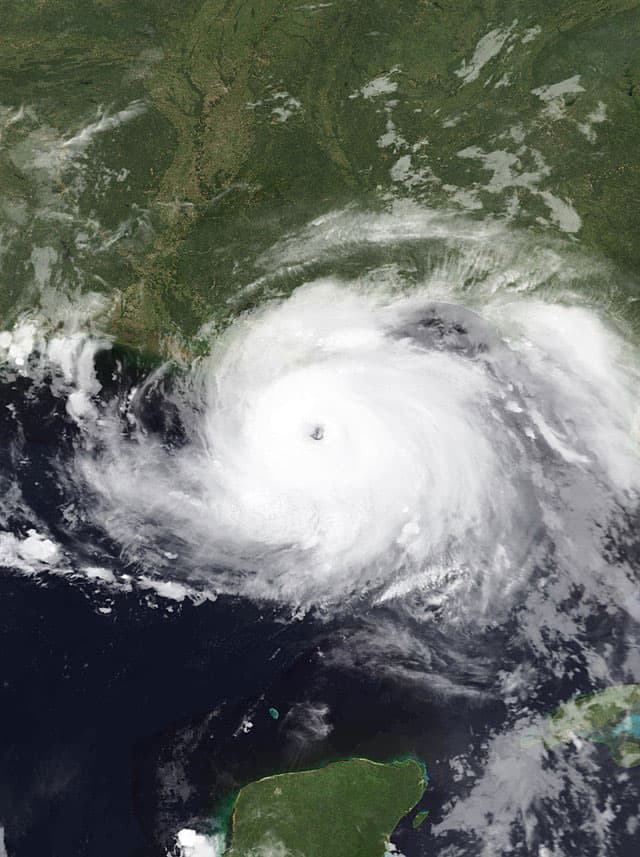
Exactly 16 years after Hurricane Katrina dealt a devastating blow to Louisiana, Major Hurricane Ida roared into southern Louisiana one year ago today, leaving a path of destruction in its wake.
Ida formed from Tropical Depression Nine in the Caribbean Sea on August 26, 2021, then Ida spent the next three days strengthening. Ida first became a hurricane just before crossing the Isle of Youth, Cuba, prior to emerging over the southeastern Gulf of Mexico. Once over the Gulf of Mexico, Ida slowly strengthened into a Category 2 hurricane on August 28th, then went through a more explosive intensification period, reaching Category 3 hurricane status on August 29th.
Ida continued to strengthen rapidly, attaining Category 4 hurricane status with sustained winds of 150 mph. At 11:55 AM CDT on Sunday, August 29th, Ida made landfall as a high-end Category 4 hurricane near Port Fourchon, La. At landfall sustained winds measured 150 mph, tying Hurricane Laura and the Last Hurricane of 1856 as the strongest storm to hit Louisiana.
During the last 24 hours before landfall, Ida’s winds intensified rapidly from 85 to 150 miles per hour. The intensification was partly driven by the warm surface waters of the Gulf of Mexico, which were about 86 to 88 degrees.
Ida pushed a wall of water onto the coast of Louisiana and Mississippi as it went ashore. Storm surge ranging from 3 to 9 feet was reported along the Gulf Coast from Grande Isle to Port Fourchon, La., and Bay Waveland, Miss.
Ida lingered over southern Louisiana for most of August 29, producing flooding rainfall before moving north and east into Mississippi and Alabama on August 30. Ida delivered major damage to the power grid and drinking water infrastructure. More than 1 million customers in Louisiana lost power by midday on August 30. Another 100,000 customers lost electricity in Mississippi and 12,000 in Alabama.
After devastating the Gulf Coast, Ida then moved into the Northeastern states, producing torrential rainfall and flooding. Record rainfall hit Newark, N.J., and New York City on September 1st. This intense rain caused cars to be swept down the roadways, basements filled with water and subway lines were suspended due to rising waters leaving some commuters being rescued by first responders.
In addition to catastrophic rainfall, Ida also spawned tornadoes. In total, there were 21 tornado reports from Mississippi to New Jersey.
Last year, the World Meteorological Organization hurricane committee retired Ida from its rotating list of Atlantic storm names due to the death and destruction caused by the Category 4 hurricane. Ida killed dozens of people and generated about $75 billion in damage. Ida was the fifth-costliest storm in U.S. history, behind Hurricanes Katrina, Harvey, Maria and Sandy, all of which have been retired. Imani is set to replace Ida on the list.
Sources: nhc.noaa.gov, weather.gov
----------
Story Image: Hurricane Ida rapidly intensifying while approaching Louisiana on early on August 29, 2021. (Wikimedia Commons/NASA/Aqua-MODIS).
Ida formed from Tropical Depression Nine in the Caribbean Sea on August 26, 2021, then Ida spent the next three days strengthening. Ida first became a hurricane just before crossing the Isle of Youth, Cuba, prior to emerging over the southeastern Gulf of Mexico. Once over the Gulf of Mexico, Ida slowly strengthened into a Category 2 hurricane on August 28th, then went through a more explosive intensification period, reaching Category 3 hurricane status on August 29th.
Ida continued to strengthen rapidly, attaining Category 4 hurricane status with sustained winds of 150 mph. At 11:55 AM CDT on Sunday, August 29th, Ida made landfall as a high-end Category 4 hurricane near Port Fourchon, La. At landfall sustained winds measured 150 mph, tying Hurricane Laura and the Last Hurricane of 1856 as the strongest storm to hit Louisiana.
During the last 24 hours before landfall, Ida’s winds intensified rapidly from 85 to 150 miles per hour. The intensification was partly driven by the warm surface waters of the Gulf of Mexico, which were about 86 to 88 degrees.
Ida pushed a wall of water onto the coast of Louisiana and Mississippi as it went ashore. Storm surge ranging from 3 to 9 feet was reported along the Gulf Coast from Grande Isle to Port Fourchon, La., and Bay Waveland, Miss.
Ida lingered over southern Louisiana for most of August 29, producing flooding rainfall before moving north and east into Mississippi and Alabama on August 30. Ida delivered major damage to the power grid and drinking water infrastructure. More than 1 million customers in Louisiana lost power by midday on August 30. Another 100,000 customers lost electricity in Mississippi and 12,000 in Alabama.
After devastating the Gulf Coast, Ida then moved into the Northeastern states, producing torrential rainfall and flooding. Record rainfall hit Newark, N.J., and New York City on September 1st. This intense rain caused cars to be swept down the roadways, basements filled with water and subway lines were suspended due to rising waters leaving some commuters being rescued by first responders.
In addition to catastrophic rainfall, Ida also spawned tornadoes. In total, there were 21 tornado reports from Mississippi to New Jersey.
Last year, the World Meteorological Organization hurricane committee retired Ida from its rotating list of Atlantic storm names due to the death and destruction caused by the Category 4 hurricane. Ida killed dozens of people and generated about $75 billion in damage. Ida was the fifth-costliest storm in U.S. history, behind Hurricanes Katrina, Harvey, Maria and Sandy, all of which have been retired. Imani is set to replace Ida on the list.
Sources: nhc.noaa.gov, weather.gov
----------
Story Image: Hurricane Ida rapidly intensifying while approaching Louisiana on early on August 29, 2021. (Wikimedia Commons/NASA/Aqua-MODIS).