


On This Day in 2000: The December 16 Tuscaloosa F4 Tornado
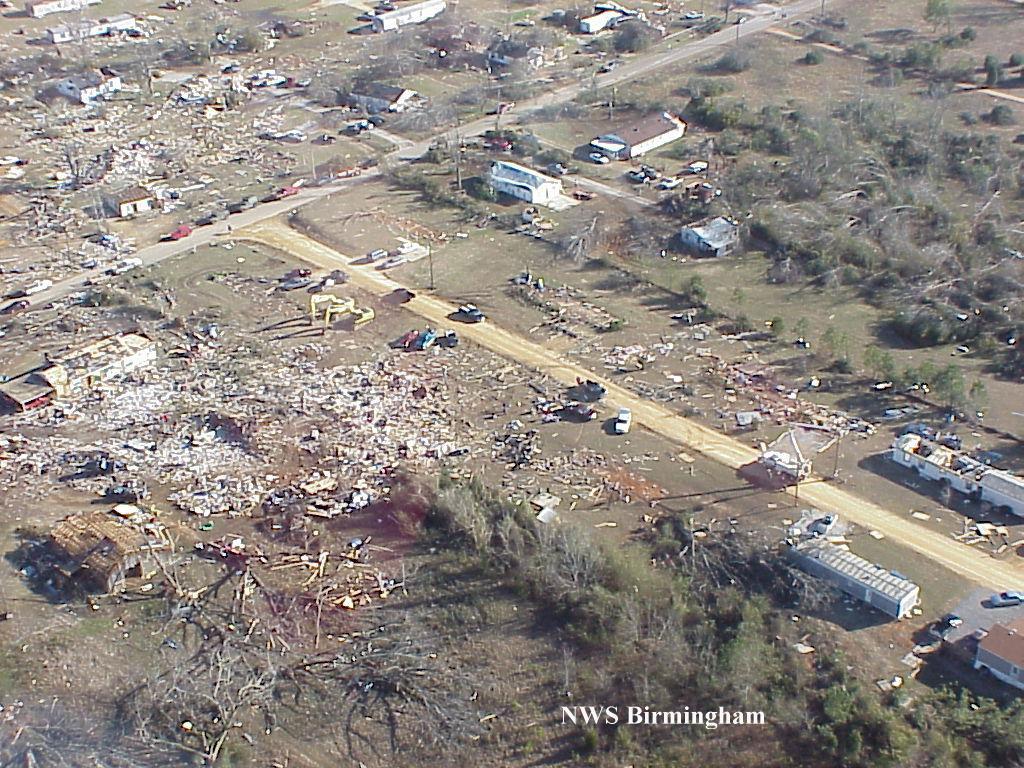
Tornadoes happen year around, even in December, which is the start of climatological winter. While December typically features an atmosphere which is less favorable, compared to what is seen during the warmer months, significant tornadoes, though rare, still occur during the winter months. December 16, 2000 is a day that will be forever etched in the hearts and minds of tornado survivors in Tuscaloosa, Ala., who experienced a devastating F4 tornado.
On December 16, 2000, the synoptic setup was favorable for thunderstorm development and supercell formation, which would be able to eventually produce tornadoes. A potent trough was pushing through the central United States and intensifying while generating a surface low pressure across the Great Lakes. Ahead of a strong cold front, there was ample instability, robust low-level wind shear, and vigorous southerly winds transporting warm, Gulf moisture northward into the warm sector. Very high dewpoints for December between 63 to 66 degrees, were prevalent ahead of the cold front across Mississippi and Alabama.
The result of this synoptic setup was a significant severe weather outbreak by December standards. There were twenty-four confirmed tornadoes, half of those were in the state of Alabama, including the strongest of the day. It was the destructive F4 that pushed 18 miles through Tuscaloosa County.
The incipient cell responsible for spawning the Tuscaloosa tornado formed in Mississippi during the morning hours and moved into western Alabama by midday. As the supercell moved into Tuscaloosa County, it rapidly intensified, producing a large, violent tornado. The tornado touched down at 12:54 p.m. CST, producing a path length of 18 miles, and a maximum path width of 750 yards, just short of 1/2 mile.
By the time the tornado had lifted, 11 people had been killed, most in mobile homes. In total, 144 were injured and $12.5 million in damage had occurred. This tornado was made famous by James Spann, as the old Channel 33 microwave towercam, then being operated by ABC 33/40 in Birmingham, captured dramatic video of the violent tornado impacting Tuscaloosa.
This tornado and the associated fatalities set several records for Alabama. It was the deadliest tornado in the state in 2000 and tied a Georgia tornado earlier in the year as the deadliest tornado in the United States in 2000. This tornado became the strongest tornado recorded in December in Alabama since 1950, and was the strongest tornado recorded in Tuscaloosa County since 1975. This tornado is tied as the second-deadliest December tornado since 1950, only behind the F5 in Vicksburg, Mississippi on December 5, 1953.
Sources: NOAA, NWS
Story Image: Damage to houses and trailers in Tuscaloosa County. (Courtesy of NWS Birmingham, Alabama)