Back to News
Planning a Mountain Vacation? What to Remember
September 19, 2025 at 12:34 PM EDT
By WeatherBug Meteorologists
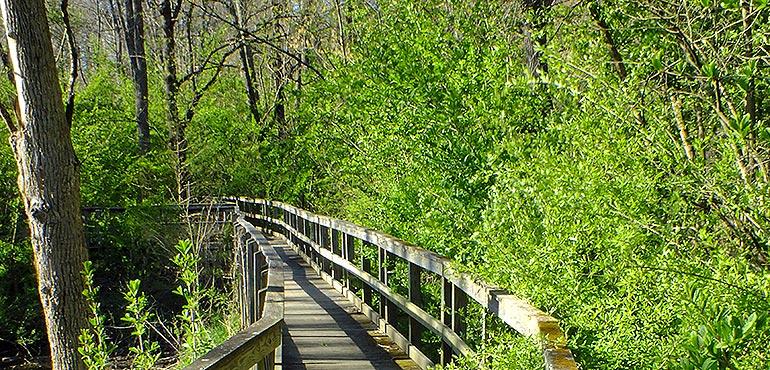
When planning a summer vacation, some families decide to forego the lure of the oceans and America`s theme and water parks and beat the heat by going to the mountains.
The winter months are a haven for skiers and snowboarders while summer months bring out the campers, hikers and boaters. The weather has an effect on vacationers in the mountains. For instance, the "rain shadow" effect can alter clouds and rainfall. It takes place as moving clouds begin to encounter the higher elevations. The clouds are forced to rise, the air cools, condenses and eventually rain begins to fall.
As the clouds move over the high terrain, the moisture is squeezed out as rain, but the clouds and rain dry out on the other side of the mountain because the air warms and dries out as it descends the mountain side. This dry side is commonly known as being in the rain shadow. The wet side of the mountain is on the "windward" side of the mountain while the dry side is the "leeward" side.
So, why is this important to keep in mind? During the summer months as storm systems cross over the mountains, they act as a wringer on a sponge. The heavier downpours tend to be on the windward side of the mountain. This heavier rainfall will cause the water levels in rivers, lakes, streams and ponds to rise, and possibly flood their banks with flash flooding and trigger mud- and rockslides.
When waters rise, flash flooding becomes a big concern. If a heavy rain has been falling for several hours, or a steady rain for several days, flooding can occur. It is best to stay alert and listen to local news or authorities for any flash flood watches and warnings that may be issued. Remember, flooding can occur downstream far away from upstream storms.
If a flash flood watch or warning is issued, it is important to get to higher ground. Places such as ditches, canyons and dry stream beds will flood. It`s best to avoid flooded roadways. If your car stalls in high water, leave it and head for higher ground. Be careful at night when it is harder to see dangerous flooding conditions.
In the upper elevations, closer to the mountain peaks, the temperatures would be much colder than those at the mountain bases. More often than not, snow is found during the summer months on these higher peaks.
When traveling to or through the mountains, at any time of year, it is important to always allow for bad weather, which may force an unexpected night spent outdoors. A survival pack should always be carried, just in case. It should contain items that can be put away and not be used unless it is absolutely necessary. These items are: a pocket knife, compass, whistle, space blanket, water purification tablets, matches and candles. These items should be kept in a waterproof container.
Vacationing in the mountains can be a fun and fulfilling activity for the whole family at any time of year. By keeping in mind your safety and the current weather conditions, your vacation to the mountains will be a memorable one for just the right reasons.
The winter months are a haven for skiers and snowboarders while summer months bring out the campers, hikers and boaters. The weather has an effect on vacationers in the mountains. For instance, the "rain shadow" effect can alter clouds and rainfall. It takes place as moving clouds begin to encounter the higher elevations. The clouds are forced to rise, the air cools, condenses and eventually rain begins to fall.
As the clouds move over the high terrain, the moisture is squeezed out as rain, but the clouds and rain dry out on the other side of the mountain because the air warms and dries out as it descends the mountain side. This dry side is commonly known as being in the rain shadow. The wet side of the mountain is on the "windward" side of the mountain while the dry side is the "leeward" side.
So, why is this important to keep in mind? During the summer months as storm systems cross over the mountains, they act as a wringer on a sponge. The heavier downpours tend to be on the windward side of the mountain. This heavier rainfall will cause the water levels in rivers, lakes, streams and ponds to rise, and possibly flood their banks with flash flooding and trigger mud- and rockslides.
When waters rise, flash flooding becomes a big concern. If a heavy rain has been falling for several hours, or a steady rain for several days, flooding can occur. It is best to stay alert and listen to local news or authorities for any flash flood watches and warnings that may be issued. Remember, flooding can occur downstream far away from upstream storms.
If a flash flood watch or warning is issued, it is important to get to higher ground. Places such as ditches, canyons and dry stream beds will flood. It`s best to avoid flooded roadways. If your car stalls in high water, leave it and head for higher ground. Be careful at night when it is harder to see dangerous flooding conditions.
In the upper elevations, closer to the mountain peaks, the temperatures would be much colder than those at the mountain bases. More often than not, snow is found during the summer months on these higher peaks.
When traveling to or through the mountains, at any time of year, it is important to always allow for bad weather, which may force an unexpected night spent outdoors. A survival pack should always be carried, just in case. It should contain items that can be put away and not be used unless it is absolutely necessary. These items are: a pocket knife, compass, whistle, space blanket, water purification tablets, matches and candles. These items should be kept in a waterproof container.
Vacationing in the mountains can be a fun and fulfilling activity for the whole family at any time of year. By keeping in mind your safety and the current weather conditions, your vacation to the mountains will be a memorable one for just the right reasons.