


Back to News
Protect All The Skin You're In
July 30, 2026 at 02:09 AM EDT
By WeatherBug Meteorologists

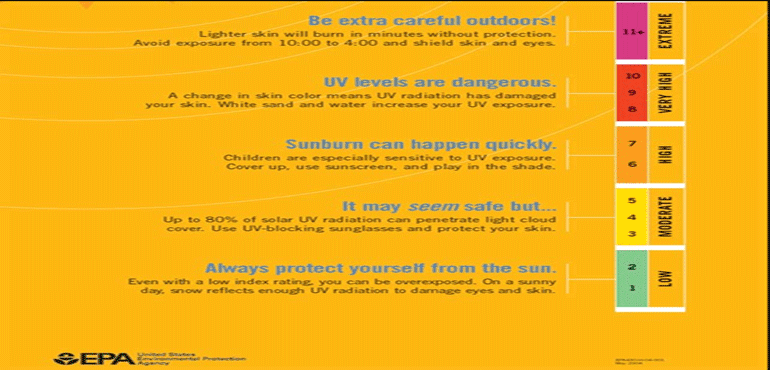
Spending time outside is an excellent way to stay healthy, but the sun’s rays bring their own innate risk. Read on to read up on what you can do to protect yourself.
The sun emits radiation along the entire electromagnetic spectrum, including visible light, ultraviolet (UV) rays, infrared, radio waves, X-rays and gamma rays. Luckily for us, the Earth’s atmosphere prevents much of the harmful radiation from reaching the surface.
However, some forms of UV rays manage to penetrate the atmosphere. There are three types of UV rays: UV-A, UV-B and UV-C. Very little UV-A is absorbed by the atmosphere, most UV-B is absorbed by the atmosphere, and all of the UV-C rays are blocked from the surface.
UV-A and UV-B rays directly contribute to skin aging, eye damage, sunburns and skin cancer – the most common form of cancer in the United States. So what can you do to protect yourself?
Sunscreen
The tried and true method for sun protection. There are two factors to look at when buying sunscreen: the spectrum, and the SPF. You want to use a broad spectrum sunscreen, as these sunscreens offer protection from both UV-A and UV-B rays; the two that harm us. The SPF, or Sun Protection Factor, is a number that rates how well the sunscreen blocks UV rays. The higher the number, the more effective the sunscreen. You should always use a sunscreen with an SPF higher than 15.
Remember to reapply as the day goes on? Sunscreen wears off, so be sure to put a fresh coat on if you’ve been out in the sun for 2 hours, or after swimming, sweating or toweling off. Also, make sure your sunscreen hasn’t expired! Sunscreen typically lasts on the shelf for about 3 years before the quality starts to degrade; even shorter if the bottle has been exposed to high temperatures.
Shade
While sunscreen may be the best way to protect yourself when in the sun, you don’t have to be in the sun to be outdoors. Staying under the shade of an umbrella, tree or other shelter can reduce the risk of sun damage and skin cancer.
Clothing
When possible, wear long-sleeved shirts and long pants or skirts, which can provide protection from UV rays. Light colored clothing is best in the heat, as darker clothing will absorb more heat and cause you to overheat faster. Wearing a hat can also help, and can help create some shade for your face. If wearing a baseball cap, be sure to add some extra sunscreen to the back of your neck and your ears, as those will be exposed to the sun.
Sunglasses
Sunglasses protect your eyes from UV rays, reduce the risk of cataracts, and protect the sensitive skin around your eyes from sun exposure. Sunglasses that block both UV-A and UV-B are best, which most sunglasses sold in the U.S. are able to do. Wrap-around sunglasses work best to protect your eyes, as they block UV rays from the side.
When going out in the sun this summer, remember some of these tips to keep yourself safe from the sun. And remember, children are the most vulnerable to the sun's harmful rays, so extra caution is needed. Better to be safe than sorry!
Source: NWS
-----
Story Image via Pixabay
The sun emits radiation along the entire electromagnetic spectrum, including visible light, ultraviolet (UV) rays, infrared, radio waves, X-rays and gamma rays. Luckily for us, the Earth’s atmosphere prevents much of the harmful radiation from reaching the surface.
However, some forms of UV rays manage to penetrate the atmosphere. There are three types of UV rays: UV-A, UV-B and UV-C. Very little UV-A is absorbed by the atmosphere, most UV-B is absorbed by the atmosphere, and all of the UV-C rays are blocked from the surface.
UV-A and UV-B rays directly contribute to skin aging, eye damage, sunburns and skin cancer – the most common form of cancer in the United States. So what can you do to protect yourself?
Sunscreen
The tried and true method for sun protection. There are two factors to look at when buying sunscreen: the spectrum, and the SPF. You want to use a broad spectrum sunscreen, as these sunscreens offer protection from both UV-A and UV-B rays; the two that harm us. The SPF, or Sun Protection Factor, is a number that rates how well the sunscreen blocks UV rays. The higher the number, the more effective the sunscreen. You should always use a sunscreen with an SPF higher than 15.
Remember to reapply as the day goes on? Sunscreen wears off, so be sure to put a fresh coat on if you’ve been out in the sun for 2 hours, or after swimming, sweating or toweling off. Also, make sure your sunscreen hasn’t expired! Sunscreen typically lasts on the shelf for about 3 years before the quality starts to degrade; even shorter if the bottle has been exposed to high temperatures.
Shade
While sunscreen may be the best way to protect yourself when in the sun, you don’t have to be in the sun to be outdoors. Staying under the shade of an umbrella, tree or other shelter can reduce the risk of sun damage and skin cancer.
Clothing
When possible, wear long-sleeved shirts and long pants or skirts, which can provide protection from UV rays. Light colored clothing is best in the heat, as darker clothing will absorb more heat and cause you to overheat faster. Wearing a hat can also help, and can help create some shade for your face. If wearing a baseball cap, be sure to add some extra sunscreen to the back of your neck and your ears, as those will be exposed to the sun.
Sunglasses
Sunglasses protect your eyes from UV rays, reduce the risk of cataracts, and protect the sensitive skin around your eyes from sun exposure. Sunglasses that block both UV-A and UV-B are best, which most sunglasses sold in the U.S. are able to do. Wrap-around sunglasses work best to protect your eyes, as they block UV rays from the side.
When going out in the sun this summer, remember some of these tips to keep yourself safe from the sun. And remember, children are the most vulnerable to the sun's harmful rays, so extra caution is needed. Better to be safe than sorry!
Source: NWS
-----
Story Image via Pixabay