


Back to forecast
Rip Currents: FAQs
July 18, 2022 at 01:00 PM EDT
By WeatherBug's Ali Husain
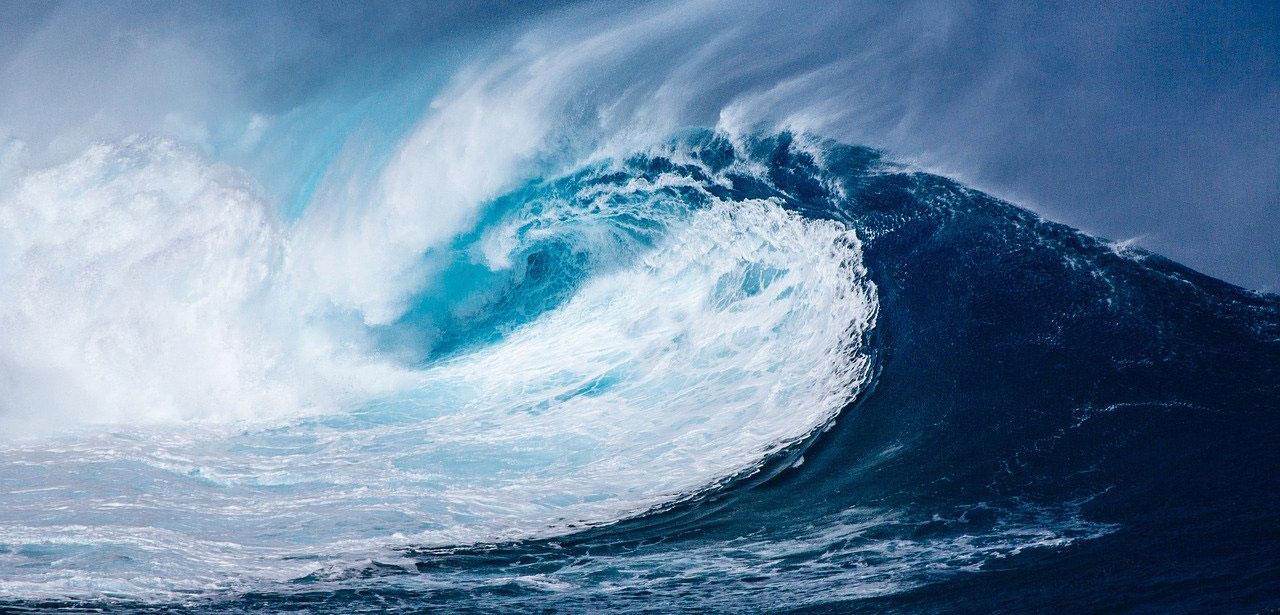
A rip current is a strip of water that flows away from the shore, perpendicular to the beach. The most dangerous rip currents move at speeds faster than the most accomplished Olympic swimmers, posing a danger to anyone caught in the current. Read on to answer some FAQs about rip currents.
What is undertow?
Not all coastal scientists are in agreement about undertow, which is why it’s an ambiguous term. After a wave breaks and runs up the beach, most of the water flows back into sea, which can trip waders and move them seawards, setting them up to be hit by the next wave. This backwards flow of water is what most people attribute as undertow; however, this process is not the same as a rip current. A rip current is longer; the current of water extends past the line of breaking waves, and the force of the current can pull people under, unlike undertow.
What happens to people caught in a rip current?
A rip current can pull people out towards sea and can put people in trouble when they get too far offshore and are unable to make it back to the beach because of fear, panic, exhaustion or a lack of swimming skills.
Are all rip currents dangerous?
Rip currents form on many beaches every day of the year but are usually too slow to pose any danger. Certain conditions can cause dangerous rip currents to form, which is why you should pay attention to any warnings or flags flying at the beach.
How big are rip currents?
Rip currents can range anywhere from 10 to 20 feet to ten times that amount. Rip currents generally begin to slow down as they pass the breaking waves, but sometimes can extend for hundreds of feet past the surf zone. If you are caught in a rip current, swim horizontally, parallel to the shore to escape the current.
How fast are rip currents?
The speed of rip currents can vary. Some are too slow to be considered dangerous, but some can exceed 5 mph, faster than you or an Olympic swimmer can swim. Under most tide and sea conditions, rip currents are relatively slow. However, under certain conditions, these speeds can rapidly approach to life-threatening speeds, quickly becoming dangerous to anyone wading in the surf. The strength and speed of a rip current will likely increase as wave height and wave period increase.
Why do some people use terms like runouts and rip tides instead of rip currents?
Terms like runouts and riptides were once commonly used in certain regions but are now considered incorrect. The National Weather Service, Sea Grant and the United States Lifesaving Association (USLA) are working together to provide clear, consistent terminology to provide a clear safety message to the public on rip currents.
If you are unsure about the safety of a surf beach, it is best to not go out into the water. Remember, “When in doubt, don’t go out!”
Source: NWS
-----
Story Image via Pixabay
What is undertow?
Not all coastal scientists are in agreement about undertow, which is why it’s an ambiguous term. After a wave breaks and runs up the beach, most of the water flows back into sea, which can trip waders and move them seawards, setting them up to be hit by the next wave. This backwards flow of water is what most people attribute as undertow; however, this process is not the same as a rip current. A rip current is longer; the current of water extends past the line of breaking waves, and the force of the current can pull people under, unlike undertow.
What happens to people caught in a rip current?
A rip current can pull people out towards sea and can put people in trouble when they get too far offshore and are unable to make it back to the beach because of fear, panic, exhaustion or a lack of swimming skills.
Are all rip currents dangerous?
Rip currents form on many beaches every day of the year but are usually too slow to pose any danger. Certain conditions can cause dangerous rip currents to form, which is why you should pay attention to any warnings or flags flying at the beach.
How big are rip currents?
Rip currents can range anywhere from 10 to 20 feet to ten times that amount. Rip currents generally begin to slow down as they pass the breaking waves, but sometimes can extend for hundreds of feet past the surf zone. If you are caught in a rip current, swim horizontally, parallel to the shore to escape the current.
How fast are rip currents?
The speed of rip currents can vary. Some are too slow to be considered dangerous, but some can exceed 5 mph, faster than you or an Olympic swimmer can swim. Under most tide and sea conditions, rip currents are relatively slow. However, under certain conditions, these speeds can rapidly approach to life-threatening speeds, quickly becoming dangerous to anyone wading in the surf. The strength and speed of a rip current will likely increase as wave height and wave period increase.
Why do some people use terms like runouts and rip tides instead of rip currents?
Terms like runouts and riptides were once commonly used in certain regions but are now considered incorrect. The National Weather Service, Sea Grant and the United States Lifesaving Association (USLA) are working together to provide clear, consistent terminology to provide a clear safety message to the public on rip currents.
If you are unsure about the safety of a surf beach, it is best to not go out into the water. Remember, “When in doubt, don’t go out!”
Source: NWS
-----
Story Image via Pixabay