Back to forecast
So You Want To Be A Storm Chaser?
April 15, 2024 at 12:59 PM EDT
By Weatherbug Meteorologist, Mark Ellinwood
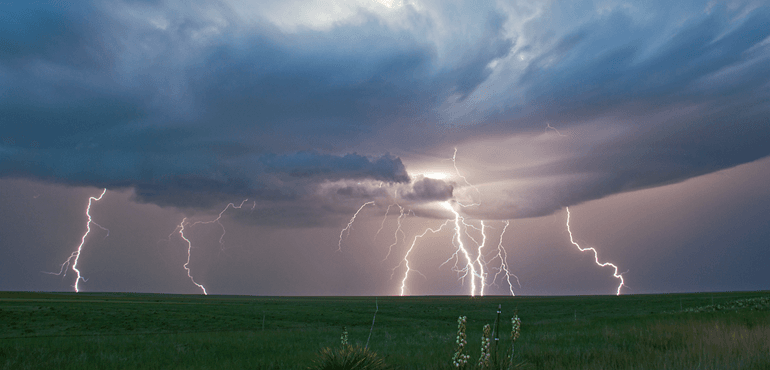
Storm chasing is more than just getting in a vehicle and driving toward a tornado.
You’ve got your car, a radar app, and a full tank of gas. Go for chasing storms, right? Dozens, if not hundreds, of other folks on the road livestreaming their chase makes it look easy, but that’s far from the reality of it.
While some may simply drive to the middle of the highest risk area highlighted by the Storm Prediction Center that day, success in storm chasing comes from optimizing your chances of seeing the storm you want. There are many considerations to take into account before setting out on a chase trip.
Before embarking out on your own, it is very important to gain experience with someone who has chased before. The more experience they have, the better. All of the reading and studying you can do does not replace actually going out and chasing storms. Many will find chase partners through social media, but there’s other options such as joining a storm chasing tour.
Why find someone experienced to chase with? Because that experience comes with more than just knowledge of forecasting storms. While storm development and the storm’s speed are important, those are just the first two things to look at. The terrain, road network, time of day, travel time, and possible hazards and bottlenecks are all part of the equation. A lot of that knowledge and weighing the pros and cons of each is something that is greatly enhanced by experience.
The one thing many novice chasers skip over when learning and gaining experience is safety. Your main focus when preparing for a chase day is figuring out how to get home safe and unharmed. This is where knowledge of the target’s terrain and road network becomes very important, as limitations to visibility and escape routes makes a chase many times more dangerous. Always have an escape plan ready before getting closer to a storm.
If at all possible, chase with at least one other person in your vehicle. There is a lot to track at once between driving, navigation, observing the sky and the radar, and getting those pictures and video you want. The more you can split up these tasks with other people, the better.
You don’t have to know how to forecast to see a good storm, but having more forecasting knowledge is a great benefit. Determining your own target area and honing in on the fine details will give you many more opportunities to be on the storm you want.
When on the chase, do all you can to observe the storm’s characteristics and how it evolves throughout the chase. The best chasers can take one look at a storm and will be able to tell you how it will likely change and move as the day goes on. Studying the cloud structure and storm evolution gives you the information you need to know when to stick with the storm or bail and move on to the next one.
While the storms can be very dangerous, the act of driving and the people driving around you can be just as dangerous, if not more so! Don’t let capturing storm footage distract you from the road, and don’t drive recklessly to keep up with a storm. There will always be more storms.
It is very tempting to just hit the road and go after a storm, but taking the time to prepare and gain knowledge will make your storm chasing experience much more fulfilling and safer. Using these tips will take you far on your journey to a successful chase, so please consider putting in the time to hone your skills before heading out.
You’ve got your car, a radar app, and a full tank of gas. Go for chasing storms, right? Dozens, if not hundreds, of other folks on the road livestreaming their chase makes it look easy, but that’s far from the reality of it.
While some may simply drive to the middle of the highest risk area highlighted by the Storm Prediction Center that day, success in storm chasing comes from optimizing your chances of seeing the storm you want. There are many considerations to take into account before setting out on a chase trip.
Before embarking out on your own, it is very important to gain experience with someone who has chased before. The more experience they have, the better. All of the reading and studying you can do does not replace actually going out and chasing storms. Many will find chase partners through social media, but there’s other options such as joining a storm chasing tour.
Why find someone experienced to chase with? Because that experience comes with more than just knowledge of forecasting storms. While storm development and the storm’s speed are important, those are just the first two things to look at. The terrain, road network, time of day, travel time, and possible hazards and bottlenecks are all part of the equation. A lot of that knowledge and weighing the pros and cons of each is something that is greatly enhanced by experience.
The one thing many novice chasers skip over when learning and gaining experience is safety. Your main focus when preparing for a chase day is figuring out how to get home safe and unharmed. This is where knowledge of the target’s terrain and road network becomes very important, as limitations to visibility and escape routes makes a chase many times more dangerous. Always have an escape plan ready before getting closer to a storm.
If at all possible, chase with at least one other person in your vehicle. There is a lot to track at once between driving, navigation, observing the sky and the radar, and getting those pictures and video you want. The more you can split up these tasks with other people, the better.
You don’t have to know how to forecast to see a good storm, but having more forecasting knowledge is a great benefit. Determining your own target area and honing in on the fine details will give you many more opportunities to be on the storm you want.
When on the chase, do all you can to observe the storm’s characteristics and how it evolves throughout the chase. The best chasers can take one look at a storm and will be able to tell you how it will likely change and move as the day goes on. Studying the cloud structure and storm evolution gives you the information you need to know when to stick with the storm or bail and move on to the next one.
While the storms can be very dangerous, the act of driving and the people driving around you can be just as dangerous, if not more so! Don’t let capturing storm footage distract you from the road, and don’t drive recklessly to keep up with a storm. There will always be more storms.
It is very tempting to just hit the road and go after a storm, but taking the time to prepare and gain knowledge will make your storm chasing experience much more fulfilling and safer. Using these tips will take you far on your journey to a successful chase, so please consider putting in the time to hone your skills before heading out.