


Back to forecast
Staying Safe During and After a Wildfire
September 15, 2022 at 11:13 AM EDT
By WeatherBug Meteorologist, Alyssa Robinette
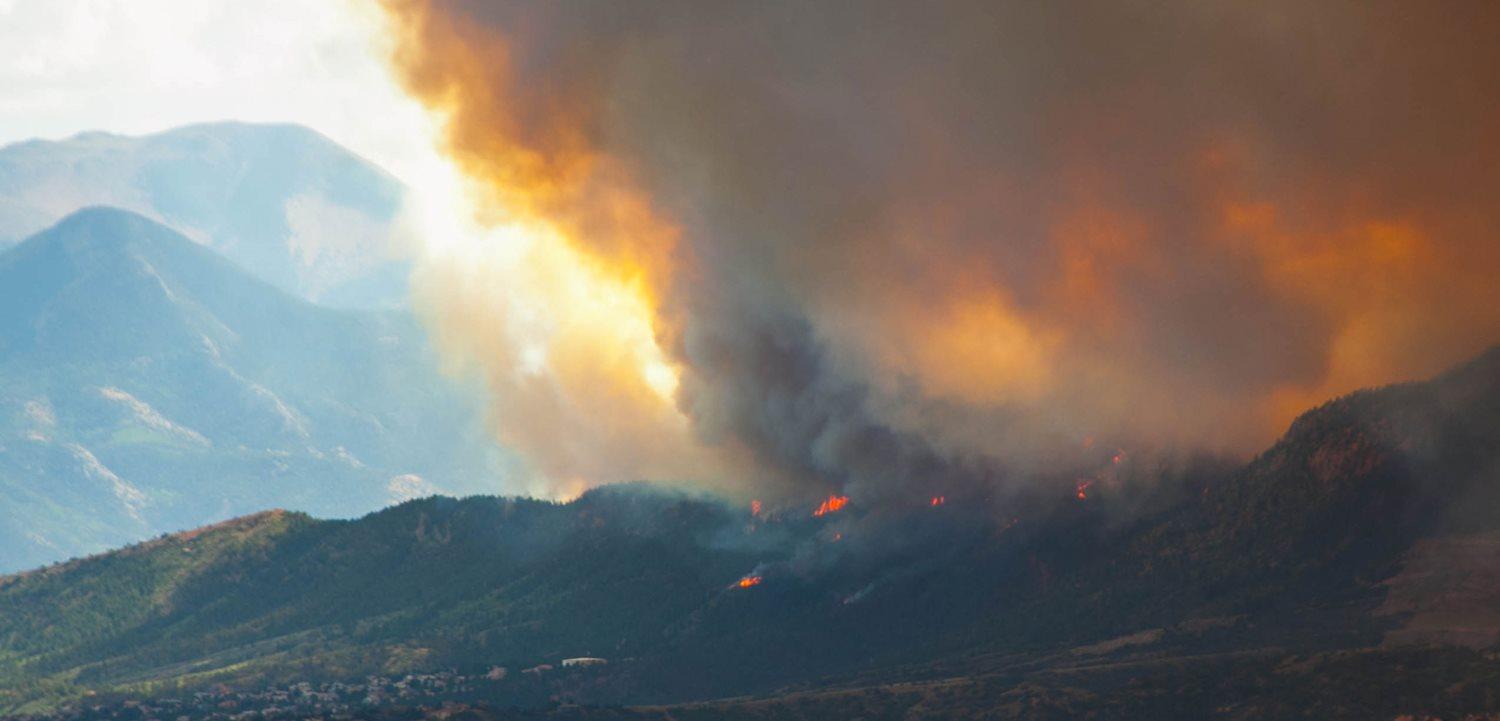
Wildfires are unplanned fires that burn in natural areas like forests, grasslands or prairies. These dangerous fires can spread quickly and can devastate not only wildlife and natural areas, but also communities. Being prepared for what to do during and after a wildfire will help keep you and your family safe.
During a Wildfire
After a Wildfire
Source: Ready.gov, USDA, Red Cross
--------
Image: The Waldo Canyon fire as it approaches the Mountain Shadows neighborhood on the west side of Colorado Springs, taken at 4:37 pm on Tuesday, 26-June-2012 from a distance of apx. 8 miles. (Ttcosprings via Wikimedia Commons)
During a Wildfire
- Pay attention to the weather and fires near you and emergency alerts and notifications for information and instructions.
- Be ready to leave quickly with your Emergency Supply Kit.
- Evacuate immediately if authorities tell you to do so or you feel you are in danger! You might not get an official notice to evacuate.
- Check with local authorities, FEMA or the Red Cross for the latest information about public shelters. Consider making plans with friends or family to shelter with them where you may be safer and more comfortable, especially if you have pets.
- If trapped, call 9-1-1 and give your location. Be aware though that emergency response could be delayed or impossible. Turn on lights to help rescuers find you.
- Use an N95 mask to protect yourself from smoke inhalation.
- Limit your exposure to smoke. Choose a room to close off from outside air and set up a portable air cleaner or filter in this clean room even if it is smoky in the rest of the building and outdoors. Use high efficiency filters in your central air conditioning system to capture fine particles from smoke. Even if your system has fresh air intake, set the system to “recirculate” mode and close the outdoor intake damper. If you are not ordered to evacuate but smoky conditions exist, stay inside in a safe location or go to a community building where smoke levels are lower.
- If you are sick and need medical attention, contact your healthcare provider for further care instructions and shelter in place, if possible.
- If you cannot evacuate your home when a fire approaches, stay inside your home and away from outside walls. Close all doors but leave them unlocked. Keep your entire family together and remain calm. Remember that if it is hot in the house, it is many times hotter and more dangerous outside.
After a Wildfire
- Do not return home until authorities say it is safe to do so.
- Avoid hot ash, charred trees, smoldering debris and live embers. The ground may contain heat pockets that can burn you or spark another fire.
- Avoid damaged or fallen power lines, poles, and downed wires. They can electrocute you.
- Avoid direct contact with ash. Wash off ash that gets on your skin or in your eyes or mouth as soon as you can.
- Check the roof immediately, extinguishing all sparks and embers. Use caution if you must climb onto the roof, especially if it is wet.
- Check your yard for burning woodpiles, trees, fence posts or other materials. Continue to check your home and yard for burning embers for at least 12 hours.
- Wear protective clothing during clean-up efforts. This includes a long-sleeved shirt, long pants, work gloves and sturdy thick-soled shoes. Goggles can also protect your eyes.
- Keep the doors and windows closed.
- Use a respirator to limit your exposure, and wet debris to minimize breathing dust particles. People with asthma, COPD and/or other lung conditions should take precautions in areas with poor air quality, as it can worsen symptoms.
- Document property damage with photographs. Conduct an inventory and contact your insurance company for assistance.
- Send text messages or use social media to reach out to family and friends. Phone systems are often busy following a disaster. Make calls only in emergencies.
- Wildfires can make drinking water unsafe. Check with your local health department about drinking water safety.
- When in doubt, throw it out! Throw out food that was exposed to heat, smoke, fumes, or chemicals.
Source: Ready.gov, USDA, Red Cross
--------
Image: The Waldo Canyon fire as it approaches the Mountain Shadows neighborhood on the west side of Colorado Springs, taken at 4:37 pm on Tuesday, 26-June-2012 from a distance of apx. 8 miles. (Ttcosprings via Wikimedia Commons)