


Back to forecast
The 2023 Annular Solar Eclipse - FAQ
October 11, 2023 at 07:55 PM EDT
By WeatherBug's Domenic Brooks
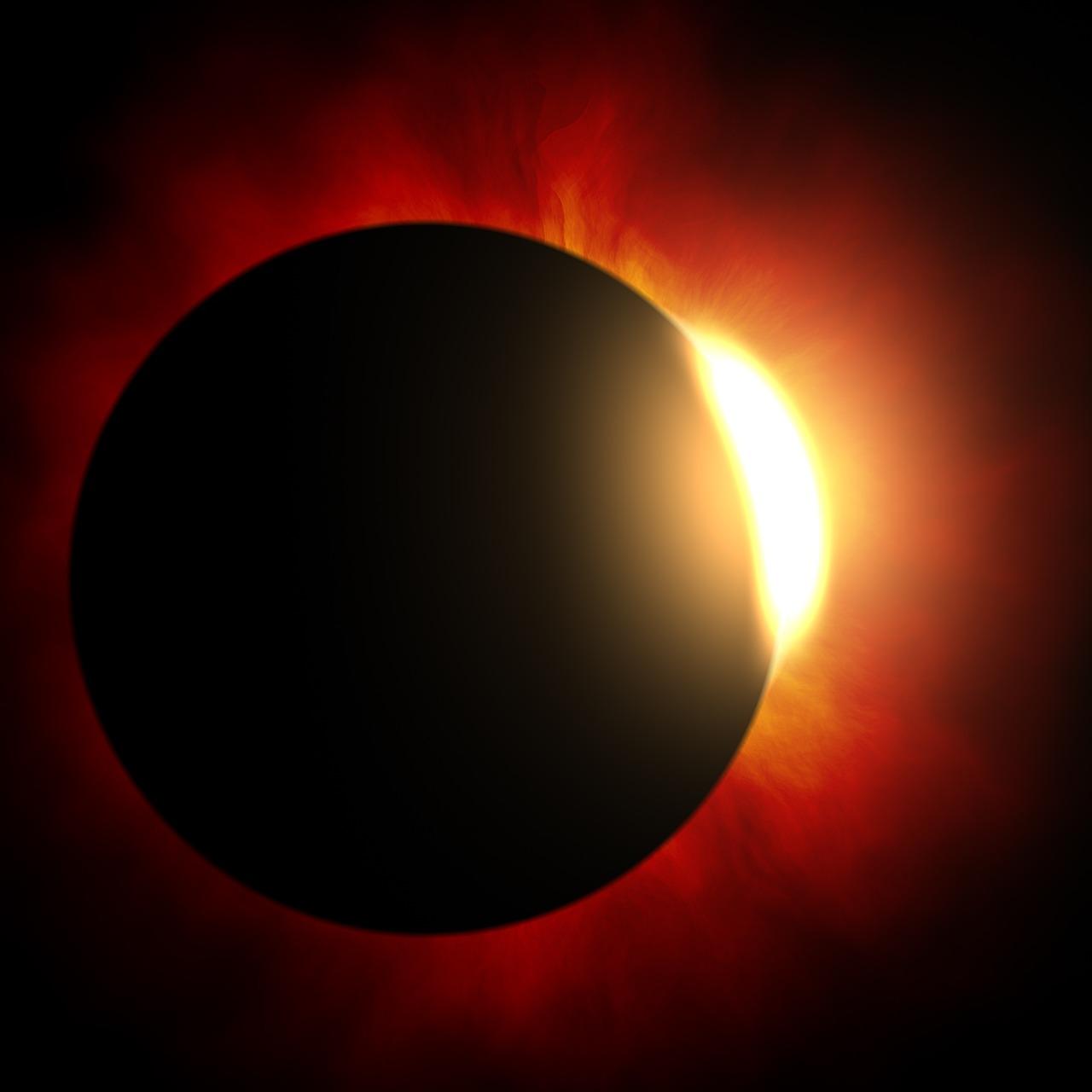
The 2023 Annular Solar Eclipse is right around the corner, coming up this Saturday, October 14. The eclipse will block out the sun across a swath of the Western United States, sending areas in its path into near total darkness. If you’re planning on viewing this eclipse when it arrives this weekend, here are some things you might want to know:
What is the difference between an annular solar eclipse and a total solar eclipse?
How often do annular solar eclipses occur?
Can I view the eclipse from anywhere on Earth?
Where can I go to get a view of the eclipse?
What time of day will the annular eclipse be visible?
What will be the best places for cloud-free viewing?
What time will the eclipse pass over me?
For each of the places listed below is the time that annularity will begin and the duration of total annularity:
What safety precautions do I need to take to view the eclipse?
When will the next solar eclipse pass over the U.S.?
Sources: NASA
-------
Featured image via Pixabay.com
What is the difference between an annular solar eclipse and a total solar eclipse?
- The main difference between them is that during a total solar eclipse, the moon is able to block out the complete shape of the sun in the sky. During an annular solar eclipse, the moon is blocking out about 90-95% of the sun, leaving the edges of the sun visible in what is known as the “ring of fire” effect.
- Saturday’s eclipse is annular.
How often do annular solar eclipses occur?
- An annular solar eclipse may occur somewhere on earth about every 18 months
Can I view the eclipse from anywhere on Earth?
- No. The path of annularity, which is a 130-mile-wide area where the annular eclipse can be viewed, will only pass over a relatively small section of the United States. However, most of North America will be able to catch a glimpse of a partial eclipse for one or two hours.
Where can I go to get a view of the eclipse?
- Eight different states will have at least some portion of their state in the path annularity: Oregon, California, Nevada, Utah, Arizona, Colorado, New Mexico, and Texas.
- Some major cities in the path include Eugene, Oregon, Alburquerque, New Mexico, and San Antonio, Texas.
- There will also be several scenic national parks in the path of annularity such as Crater Lake National Park in Oregon, Great Basin National Park in Nevada, and Capitol Reef National Park in Utah.
What time of day will the annular eclipse be visible?
- For viewers in the United States, the annular phase of the eclipse will start to be visible from around 9:15 a.m. to 11:50 a.m. in local time zones.
- The time the eclipse begins and ends changes based on the viewer's location. Depending on where the viewer is watching from, the annular phase of the eclipse could be as short as around 30 seconds to over 5 minutes.
What will be the best places for cloud-free viewing?
- Looking at the forecast across the path of annularity on Saturday, many areas will unfortunately have to contend with at least some cloud cover that may block the viewing experience
- Places along the path in Oregon and California will have the highest likelihood of cloud cover blocking the eclipse, while much of the path in Texas should be free of clouds, likely making it the best state to view the eclipse in. Everywhere in between is a toss-up and will have varying degrees of cloud cover during the time of annularity.
- As the eclipse draws closer, WeatherBug meteorologists will keep you informed about potential cloud cover!
What time will the eclipse pass over me?
For each of the places listed below is the time that annularity will begin and the duration of total annularity:
- Oregon Dunes, Oregon: 9:15 a.m. PDT; 4 minutes, 29 seconds
- Crater Lake National Park, Oregon: 9:17 a.m. PDT; 4 minutes, 19 seconds
- Lava Beds National Monument, California: 9:19 a.m. PDT; 54 seconds
- Great Basin National Park, Nevada: 9:24 a.m. PDT; 3 minutes, 46 seconds
- Bryce Canyon National Park, Utah: 10:27 a.m. MDT; 2 minutes, 31 seconds
- Capitol Reef National Park, Utah: 10:27 a.m. MDT; 4 minutes, 37 seconds
- Canyonlands National Park, Utah: 10:29 a.m. MDT; 2 minutes, 24 seconds
- Natural Bridges National Monument, Utah: 10:29 a.m. MDT; 4 minutes, 29 seconds
- Mesa Verde National Park, Colorado: 10:31 a.m. MDT; 2 minutes, 57 seconds
- Chaco Culture National Park, New Mexico: 10:32 a.m. MDT; 4 minutes, 42 seconds
- Albuquerque, New Mexico: 10:34 a.m. MDT; 4 minutes, 42 seconds
- San Antonio: 11:52 a.m. CDT; 4 minutes, 5 seconds
- Corpus Christi, Texas: 11:55 a.m. CDT; 4 minutes, 52 seconds
- Padre Island National Seashore, Texas: 11:56 a.m. CDT; 4 minutes, 52 seconds
What safety precautions do I need to take to view the eclipse?
- Do NOT look directly into the eclipse without appropriate eyewear. Unfortunately, sunglasses will not suffice for proper eye protection, so you will need to purchase special eclipse glasses or hand-held solar viewers.
- Even during annularity, do not look at the partial eclipse through an unfiltered camera, telescope or binoculars with or without your eclipse viewing glasses.
- Practice safe driving habits if you plan on driving to view the eclipse. Do not view the eclipse while driving and pull over instead.
- Do not trespass to view the eclipse, no matter how tempting it may be.
- Wear sunscreen and stay hydrated while waiting for annularity.
When will the next solar eclipse pass over the U.S.?
- The next total solar eclipse will pass over the U.S. on April 8, 2024.
Sources: NASA
-------
Featured image via Pixabay.com