Back to forecast
The 2023 Spring Equinox
March 19, 2023 at 04:13 PM EDT
By WeatherBug's Ali Husain
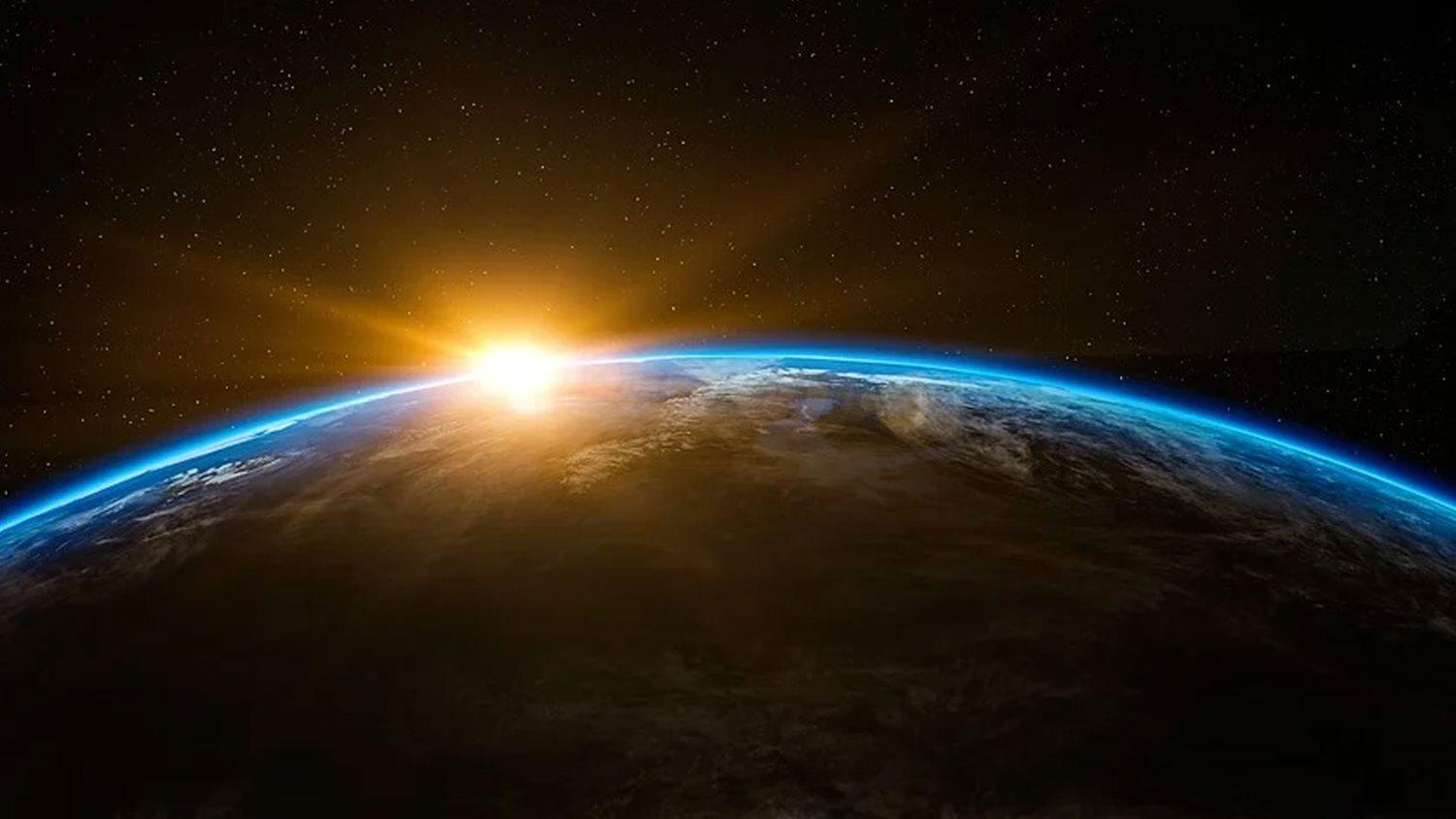
The Spring Equinox, also known as the Vernal Equinox, is one of the two days in the year when the length of day and night are almost equal. It occurs around March 20th or 21st in the Northern Hemisphere and September 22nd or 23rd in the Southern Hemisphere. The 2023 Spring Equinox will take place today, March 20th at 5:24 PM (Eastern Daylight Time), but for the Southern Hemisphere, it will be their Autumnal Equinox.
On the day of the Spring Equinox, the sun rises exactly in the east and sets exactly in the west, and the length of day and night is almost equal everywhere on Earth. However, this is not exact for all points on the globe, and due to the optical effects of Earth's atmosphere, the sun will appear to rise and set slightly earlier than it truly does.
The equinoxes occur due to the tilt of Earth’s axis. As the Earth revolves around the sun during the year, different parts of the planet receive varying amounts of sunlight and nighttime depending on the Earth's tilt. During the equinoxes, the tilt of the Earth’s axis is perpendicular to the sun’s rays (essentially, there is no tilt during the equinoxes!), meaning that the sun is directly overhead at the equator and each point on the globe will see roughly the same amount of day and night.
The Spring Equinox has been celebrated by several cultures and civilizations throughout history, including the Mayans, who built a famous pyramid at Chichen Itza that is designed to cast a shadow in the shape of a serpent on the equinoxes.
The equinox is not only unique to Earth. Most planets experience some form of an equinox, including Saturn, which has a four-day equinox once every 15 years! During Saturn’s equinox, the rings orbit in the same plane as the equator, lining them up perfectly with the sun to make a razor-thin line from the perspective of the sun.
No matter how you choose to celebrate the Spring Equinox, it is a time to embrace new beginnings and to honor the beauty and magic of the natural world.
Sources: History.com, Smithsonian, National Geographic
-----
Story Image via Pixabay
On the day of the Spring Equinox, the sun rises exactly in the east and sets exactly in the west, and the length of day and night is almost equal everywhere on Earth. However, this is not exact for all points on the globe, and due to the optical effects of Earth's atmosphere, the sun will appear to rise and set slightly earlier than it truly does.
The equinoxes occur due to the tilt of Earth’s axis. As the Earth revolves around the sun during the year, different parts of the planet receive varying amounts of sunlight and nighttime depending on the Earth's tilt. During the equinoxes, the tilt of the Earth’s axis is perpendicular to the sun’s rays (essentially, there is no tilt during the equinoxes!), meaning that the sun is directly overhead at the equator and each point on the globe will see roughly the same amount of day and night.
The Spring Equinox has been celebrated by several cultures and civilizations throughout history, including the Mayans, who built a famous pyramid at Chichen Itza that is designed to cast a shadow in the shape of a serpent on the equinoxes.
The equinox is not only unique to Earth. Most planets experience some form of an equinox, including Saturn, which has a four-day equinox once every 15 years! During Saturn’s equinox, the rings orbit in the same plane as the equator, lining them up perfectly with the sun to make a razor-thin line from the perspective of the sun.
No matter how you choose to celebrate the Spring Equinox, it is a time to embrace new beginnings and to honor the beauty and magic of the natural world.
Sources: History.com, Smithsonian, National Geographic
-----
Story Image via Pixabay