Back to forecast
The Top 10 Drought-Riskiest Cities in the U.S.
June 17, 2022 at 04:41 PM EDT
By Weatherbug's Fred Allen & Ali Husain
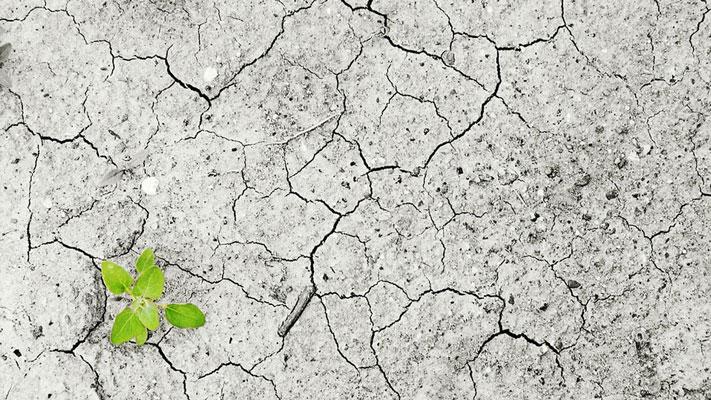
Dictated by weather pattern changes, the drought has oodles of devastating effects. It can damage or destroy crops, lead to water shortages, restrictions or bans, and an increased wildfire risk. Historically, the West has the majority of the drought-stricken cities, but that’s not the only geographical area in the mix.
In simple terms, a drought is a long period when precipitation is absent or less than normal. This will lead to inadequate rainfall or snowfall since it’s occurring at irregular intervals. Water sources such as springs and reservoirs could be used faster than replenished, and in rare cases, water might need to be imported from another city or hundreds of miles away. Drought can also cause an increased wildfire risk and home foundation issues.
Currently, 5-percent of the U.S. is experiencing exceptional drought, 14-percent in extreme drought and 15-percent in severe drought. When looking directly at the West, we find 12-percent of the land area in exceptional drought, a staggering 32-percent in extreme drought and 26-percent in severe drought. The current drought conditions in the West have broken drought records for the driest 22-year period in the region since the year 800 C.E., according to a study published in the peer-reviewed journal Nature Climate Change.
However, drought impacts vary geographically across the nation. For example, Orlando, Fla., which ranks as the 15th drought-riskiest city in America, averages 52 inches of precipitation a year. Meanwhile, Phoenix, Ariz., ranks at number 23 and measures 9 inches of precipitation annually. It’s not just about how much rain falls, but also about how much water a city needs to sustain the people, flora and fauna.
With all this geographic variability, you may be wondering what are the top ten drought-riskiest cities across the nation? Here they are:
Clearly, drought is something that is impacting the nation from coast-to-coast. Recent studies have also found that 42-percent of the soil moisture deficit in the last 22 years can be attributed to human-induced climate change. Without some major changes, the drought that is gripping the nation is only going to get worse and worse.
Credit: Smithsonian, Bestplaces.net, U.S. Drought Monitor
-----
Story Image via Pixabay
In simple terms, a drought is a long period when precipitation is absent or less than normal. This will lead to inadequate rainfall or snowfall since it’s occurring at irregular intervals. Water sources such as springs and reservoirs could be used faster than replenished, and in rare cases, water might need to be imported from another city or hundreds of miles away. Drought can also cause an increased wildfire risk and home foundation issues.
Currently, 5-percent of the U.S. is experiencing exceptional drought, 14-percent in extreme drought and 15-percent in severe drought. When looking directly at the West, we find 12-percent of the land area in exceptional drought, a staggering 32-percent in extreme drought and 26-percent in severe drought. The current drought conditions in the West have broken drought records for the driest 22-year period in the region since the year 800 C.E., according to a study published in the peer-reviewed journal Nature Climate Change.
However, drought impacts vary geographically across the nation. For example, Orlando, Fla., which ranks as the 15th drought-riskiest city in America, averages 52 inches of precipitation a year. Meanwhile, Phoenix, Ariz., ranks at number 23 and measures 9 inches of precipitation annually. It’s not just about how much rain falls, but also about how much water a city needs to sustain the people, flora and fauna.
With all this geographic variability, you may be wondering what are the top ten drought-riskiest cities across the nation? Here they are:
- Los Angeles-Long Beach-Santa Ana, Calif.
- San Diego-Carlsbad-San Marcos, Calif.
- Oxnard-Thousand Oaks-Ventura, Calif.
- Riverside-San Bernardino-Ontario, Calif.
- Salt Lake City, Utah
- Nashville-Davidson-Murfreesboro, Tenn.
- Chattanooga, Tenn-Ga.
- Birmingham-Hoover, Ala.
- Greenville, S.C.
- Knoxville, Tenn.
Clearly, drought is something that is impacting the nation from coast-to-coast. Recent studies have also found that 42-percent of the soil moisture deficit in the last 22 years can be attributed to human-induced climate change. Without some major changes, the drought that is gripping the nation is only going to get worse and worse.
Credit: Smithsonian, Bestplaces.net, U.S. Drought Monitor
-----
Story Image via Pixabay