Back to forecast
Top Wildfires in U.S. History
September 29, 2022 at 10:03 AM EDT
By WeatherBug Meteorologist, Matt Mehallow
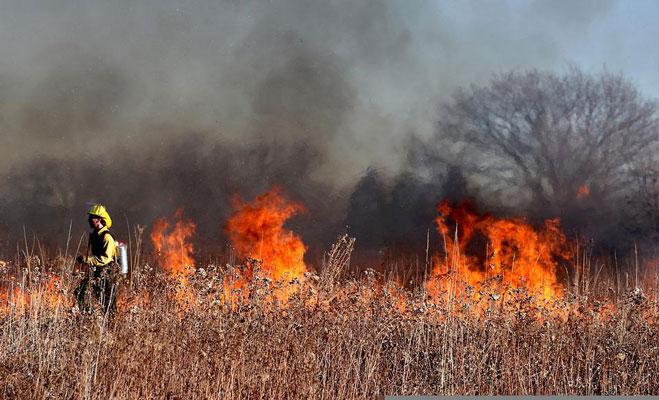
Wildfires are a natural part of many ecosystems, but these fires can spread quickly, becoming dangerous and devastating not only wildlife and natural areas, but also communities. United States history is filled with many significant wildfires that caused environmental disasters. These fires highlight the danger of many communities that are in areas that are essentially wildland, which exacerbates humans contact with fire.
The 2021 Dixie Fire
Credited with burning over nearly 1 million acres in California and costing $637 million to suppress, the 2021 Dixie Fire was the largest and most expensive wildfire to contain in California history. The fire followed an unprecedented heat wave in June 2021, which helped lead to its dramatic growth and size due to severe drought conditions. The Dixie Fire started on July 13, 2021, destroying over 1,300 structures, including the rural town of Greenville, Calif., and damaging other communities in Plumas, Butte, Lassen, Shasta, and Tehama counties. It was the first known fire to burn clear across the Sierra Nevada Mountain range, followed later in the year by the Caldor Fire.
The 2018 Camp Fire
Starting on November 8, 2018, in Butte County, California, the fire grew rapidly and became the deadliest and largest fire in California history. It burned 153,336 acres, destroyed nearly 19,000 homes, and killed at least 85 people. It was determined that the Camp Fire was caused by electrical transmission lines owned and operated by Pacific Gas and Electricity (PG&E) located in the Pulga, Calif., area. The total damage was estimated at $16.5 billion
.
The 2017 Tubbs Fire
The Tubbs Fire started in October 2017 over the terrain north of San Francisco and was one of more than 200 fires that hit the state that year. It was most destructive single fire in California history in terms of lost structures as it descended the hills northeast of Santa Rosa, burning 36,807 acres and killing 22 individuals.
The 2013 Yarnell Fire
The blaze started on June 28, 2013, along a rugged steep mountain range in heavy brush fuels, near the town of Yarnell, Ariz. The wildfire is believed to have been started by a lightning strike and it burned more than 8,000 acres of land. The fire killed 19 firefighters, making it the deadliest and largest wildfire in Arizona history.
The 1918 Cloquet Fire
On October 12, 1918, a forest fire developed along the railroad line between Duluth and Hibbing, Minn. The fire then travelled across the northern Minnesota landscape for three days, impacting the city of Duluth. The fire was devastating, with 38 towns and villages destroyed by the fire. Deaths of 453 were reported, and another 85 people were seriously burned.
1871 Peshtigo Fire
On October 8, 1871, the deadliest forest fire in American history tore through northeast Wisconsin, killing around 1,500 people and injuring another 1,500. In just two hours, the fire destroyed a large swath of forest 10 miles wide and 40 miles long. The fire obliterated the towns of Peshtigo and Brussels. The damage estimate was at $169 million, about the same as for the Chicago Fire.
The threat for wildfires will continue to plague U.S. communities as hotter and drier conditions dry out ecosystems and increase the risk of wildfires. This will lead to an increase in the size and frequency of wildfires and will require new approaches for wildfire mitigation and prevention efforts.
Sources: www.nps.gov, www.nifc.gov, www.fire.ca.gov
---
Story Image via Pixabay
The 2021 Dixie Fire
Credited with burning over nearly 1 million acres in California and costing $637 million to suppress, the 2021 Dixie Fire was the largest and most expensive wildfire to contain in California history. The fire followed an unprecedented heat wave in June 2021, which helped lead to its dramatic growth and size due to severe drought conditions. The Dixie Fire started on July 13, 2021, destroying over 1,300 structures, including the rural town of Greenville, Calif., and damaging other communities in Plumas, Butte, Lassen, Shasta, and Tehama counties. It was the first known fire to burn clear across the Sierra Nevada Mountain range, followed later in the year by the Caldor Fire.
The 2018 Camp Fire
Starting on November 8, 2018, in Butte County, California, the fire grew rapidly and became the deadliest and largest fire in California history. It burned 153,336 acres, destroyed nearly 19,000 homes, and killed at least 85 people. It was determined that the Camp Fire was caused by electrical transmission lines owned and operated by Pacific Gas and Electricity (PG&E) located in the Pulga, Calif., area. The total damage was estimated at $16.5 billion
.
The 2017 Tubbs Fire
The Tubbs Fire started in October 2017 over the terrain north of San Francisco and was one of more than 200 fires that hit the state that year. It was most destructive single fire in California history in terms of lost structures as it descended the hills northeast of Santa Rosa, burning 36,807 acres and killing 22 individuals.
The 2013 Yarnell Fire
The blaze started on June 28, 2013, along a rugged steep mountain range in heavy brush fuels, near the town of Yarnell, Ariz. The wildfire is believed to have been started by a lightning strike and it burned more than 8,000 acres of land. The fire killed 19 firefighters, making it the deadliest and largest wildfire in Arizona history.
The 1918 Cloquet Fire
On October 12, 1918, a forest fire developed along the railroad line between Duluth and Hibbing, Minn. The fire then travelled across the northern Minnesota landscape for three days, impacting the city of Duluth. The fire was devastating, with 38 towns and villages destroyed by the fire. Deaths of 453 were reported, and another 85 people were seriously burned.
1871 Peshtigo Fire
On October 8, 1871, the deadliest forest fire in American history tore through northeast Wisconsin, killing around 1,500 people and injuring another 1,500. In just two hours, the fire destroyed a large swath of forest 10 miles wide and 40 miles long. The fire obliterated the towns of Peshtigo and Brussels. The damage estimate was at $169 million, about the same as for the Chicago Fire.
The threat for wildfires will continue to plague U.S. communities as hotter and drier conditions dry out ecosystems and increase the risk of wildfires. This will lead to an increase in the size and frequency of wildfires and will require new approaches for wildfire mitigation and prevention efforts.
Sources: www.nps.gov, www.nifc.gov, www.fire.ca.gov
---
Story Image via Pixabay