


Tornado Myths
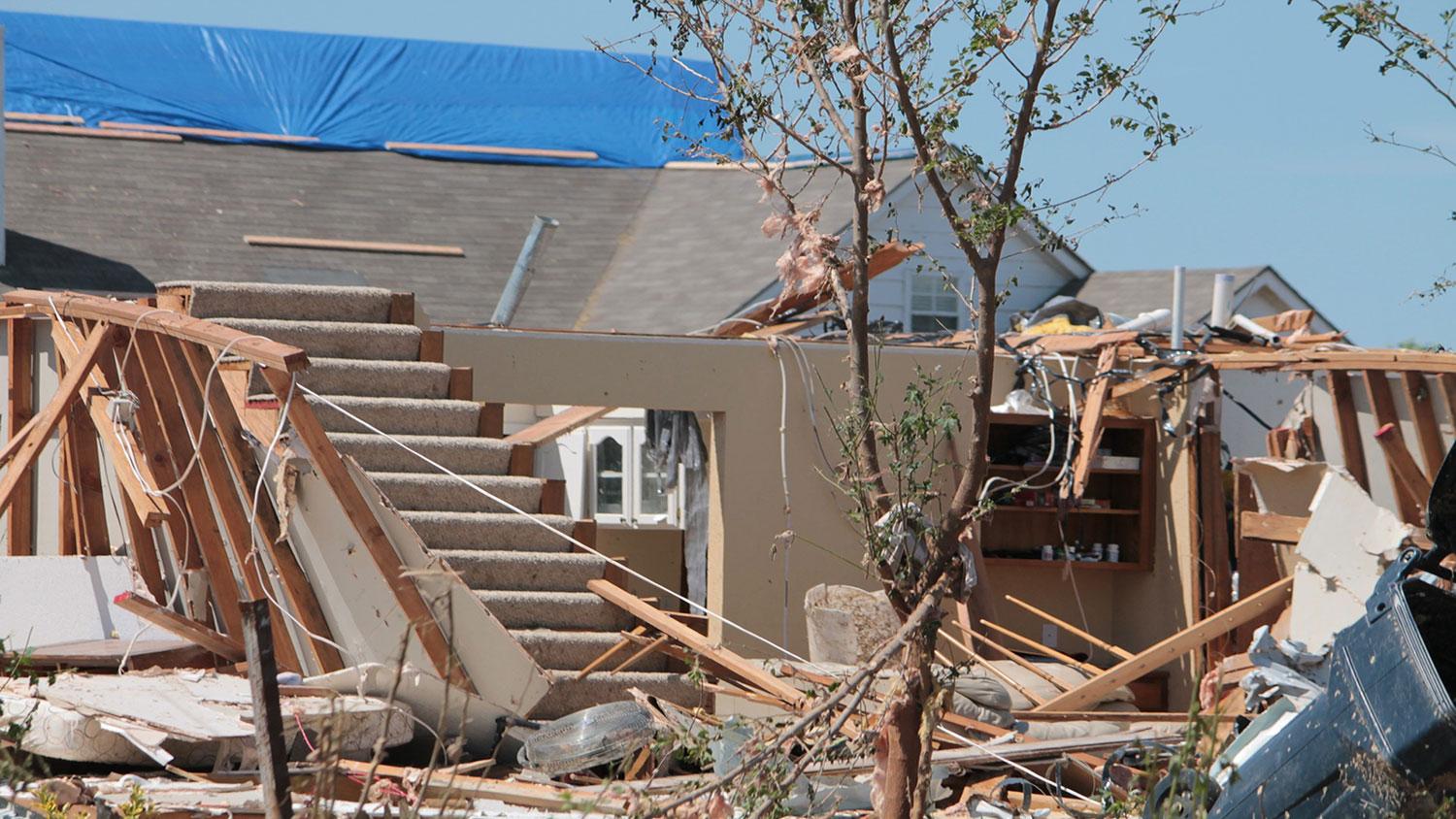
Spring and summer are prime seasons for severe weather, including tornadoes. However, like most things on the internet, false statements and myths about tornadoes can spread like wildfire. Here are some myths and about tornadoes and debunking them:
Seeking shelter under an over-pass: Doing this is extremely dangerous
- Debris can still fly under the overpass and impale vehicles and people hiding there.
- People can be blown loose.
- The overpass could collapse and be destroyed, causing large flying objects and trapping people.
Tornadoes never strike twice:
- This is factually incorrect. One example is in Guy, Arkansas, where three tornadoes hit the same church in the same day.
Big cities are protected from tornadoes because of their tall buildings:
- Tornadoes can be 5 to 10 miles tall with most buildings only 500 to 1000 feet tall.
- Many cities have also been hit with tornadoes, including Miami, Oklahoma City, Dallas, Houston and Nashville.
Large lakes protect nearby areas from tornadoes:
- Cool water and cool air on top of the water can create a stable environment, but severe thunderstorms and tornadoes have stronger driving forces that would overpower a cold lake.
Mountains and river valleys inhibit tornadoes:
- While not optimal conditions for tornadic development, tornadoes have crossed the Mississippi River as well as large mountains including the Appalachian Mountains and mountains in Yellowstone National Park.
Seeking shelter in the southwest corner of your home will protect you from flying debris:
- There is a misconception that all tornadoes move to the northeast, thus the myth of protecting yourself to the southwest, but tornadoes move in all directions.
- Houses and buildings can still collapse on you and debris can still fly and hit you.
- The best place to go in a tornado is at the lowest level of your home in an interior room away from any windows.
Opening windows will help equalize pressure inside the house to prevent an explosion:
- This is a useless thing to do and a waste of time. You may be injured by flying glass and windows will blast open anyway if a tornado strikes your home.
The shape and size of a tornado determines it’s strength:
- A tornado’s strength is determined through damage assessments rather than wind speed or size.
- A tornado’s appearance is solely based on the conditions in place. That’s why there are a variety of strengths with visible funnels as well as concealed funnels.
Significant property damage is always a result of a tornado:
- Straight-line winds can be just as destructive as tornadoes and can produce similar wind speeds to that of an EF1 to EF3 tornado.
Mobile homes attract tornadoes:
- The reason mobile homes often receive significant damage from tornadoes is due to the structure of mobile homes. Mobile homes are structurally weaker than well-built homes and are easier for a tornado to destroy and blow apart.
The number of tornadoes have been increasing due to more favorable weather:
- The increase in tornadoes is most likely due to an increase in trained storm spotters thanks to an increase in population, better radar detection, more cameras and better damage assessments.
Learning the facts behind tornadoes will ensure your safety the next time severe weather hits your area.
--
Source: NWS
Image by 15299 from Pixabay