


Back to forecast
Unprecedented Chaos: The 2012 Leap Day Tornado Outbreak
March 1, 2025 at 07:44 AM EST
By WeatherBug Meteorologist, Andrew Rosenthal
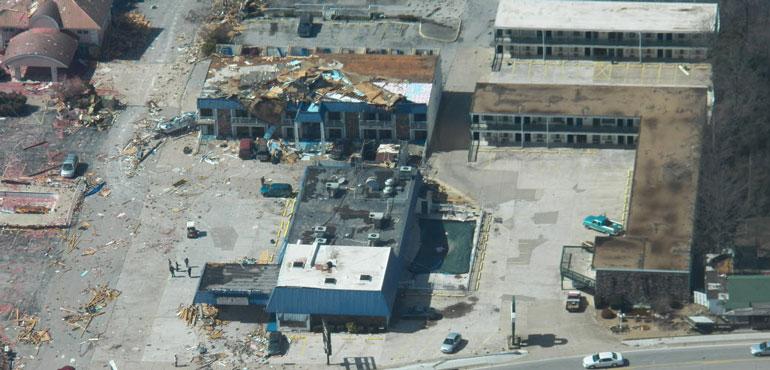
The "Leap Day" tornado outbreak of 2012 was a significant severe weather event that occurred at the end of February 2012 in the Plains and Ohio Valley region of the United States.
The outbreak was named due to its occurrence on February 28th and 29th, the once-every-four years “leap day.” Like many storm outbreaks at that time of year, this outbreak was characterized by a strong and persistent weather system that produced a large number of tornadoes, some of which were particularly intense and long-lived.
The tornadoes were associated with a strong low-pressure system that developed over the Central United States. Unseasonably warm air raced northward through the Plains and Deep South and interacted with colder and drier air making its way around the low into the Mississippi Valley and northern Plains. The combination of wind shear, instability, and moisture in the atmosphere made this outbreak particularly dangerous, and it will be remembered as one of the largest tornado outbreaks to occur in the United States in recent history.
The first set of storms occurred in the central Plains on February 28, with an EF-2 tornado hitting the town of Harveyville, Kan., with one fatality and 12 injuries. This storm destroyed Harveyville’s sole church. Unfortunately, the storm formed and dissipated within 3 to 5 minutes, and no tornado warning could be issued for the twister. That same day, storms produced baseball-sized hail as they passed through Cherryvale, Kan., and wind gusts to 80 mph in Cedar Vale, Kan.
Overnight, the storms raced across southern Missouri, lashing the tourist city of Branson. An EF-2 tornado early on the morning of the 29th directly struck the Hilton Branson Convention Center, damaging or destroying the majority of the windows in the 12-story building. While no one was killed, 37 people were injured and more than 50 restaurants, attractions and hotels were damaged.
As the storm made its way across the Mississippi, the outbreak resulted in numerous tornadoes being reported across several states, including Indiana, Kentucky, Ohio, and Tennessee. Some of the most devastating tornadoes, estimated at EF-4 intensity with winds of 180 mph, struck the cities of Henryville, Ind., and Harrisburg, Ill., causing widespread damage and injuring many people. Among other buildings, the Harrisburg Medical Center sustained major damage. Eight people were killed and another 95 were injured in Harrisburg.
By the time the storm was over, the count of tornadoes stood at 42, with 15 fatalities and nearly 200 injuries. The Leap Day tornado outbreak was, at the time, the costliest U.S. weather disaster of 2012, with an estimated $425 million in damage. That ignominious record only lasted for two days before another outbreak tore across Indiana and Kentucky, producing in excess of $3 billion in damage.
The tornado outbreak also serves as a reminder of the importance of being prepared for severe weather events, especially during the early part of severe weather season. Although sizable outbreaks are unusual in late February, this outbreak shows that the necessary ingredients for serious storms can come together during that month.
The outbreak was named due to its occurrence on February 28th and 29th, the once-every-four years “leap day.” Like many storm outbreaks at that time of year, this outbreak was characterized by a strong and persistent weather system that produced a large number of tornadoes, some of which were particularly intense and long-lived.
The tornadoes were associated with a strong low-pressure system that developed over the Central United States. Unseasonably warm air raced northward through the Plains and Deep South and interacted with colder and drier air making its way around the low into the Mississippi Valley and northern Plains. The combination of wind shear, instability, and moisture in the atmosphere made this outbreak particularly dangerous, and it will be remembered as one of the largest tornado outbreaks to occur in the United States in recent history.
The first set of storms occurred in the central Plains on February 28, with an EF-2 tornado hitting the town of Harveyville, Kan., with one fatality and 12 injuries. This storm destroyed Harveyville’s sole church. Unfortunately, the storm formed and dissipated within 3 to 5 minutes, and no tornado warning could be issued for the twister. That same day, storms produced baseball-sized hail as they passed through Cherryvale, Kan., and wind gusts to 80 mph in Cedar Vale, Kan.
Overnight, the storms raced across southern Missouri, lashing the tourist city of Branson. An EF-2 tornado early on the morning of the 29th directly struck the Hilton Branson Convention Center, damaging or destroying the majority of the windows in the 12-story building. While no one was killed, 37 people were injured and more than 50 restaurants, attractions and hotels were damaged.
As the storm made its way across the Mississippi, the outbreak resulted in numerous tornadoes being reported across several states, including Indiana, Kentucky, Ohio, and Tennessee. Some of the most devastating tornadoes, estimated at EF-4 intensity with winds of 180 mph, struck the cities of Henryville, Ind., and Harrisburg, Ill., causing widespread damage and injuring many people. Among other buildings, the Harrisburg Medical Center sustained major damage. Eight people were killed and another 95 were injured in Harrisburg.
By the time the storm was over, the count of tornadoes stood at 42, with 15 fatalities and nearly 200 injuries. The Leap Day tornado outbreak was, at the time, the costliest U.S. weather disaster of 2012, with an estimated $425 million in damage. That ignominious record only lasted for two days before another outbreak tore across Indiana and Kentucky, producing in excess of $3 billion in damage.
The tornado outbreak also serves as a reminder of the importance of being prepared for severe weather events, especially during the early part of severe weather season. Although sizable outbreaks are unusual in late February, this outbreak shows that the necessary ingredients for serious storms can come together during that month.