Back to forecast
What is a Nor'easter?
January 20, 2023 at 01:22 PM EST
By WeatherBug's Ali Husain
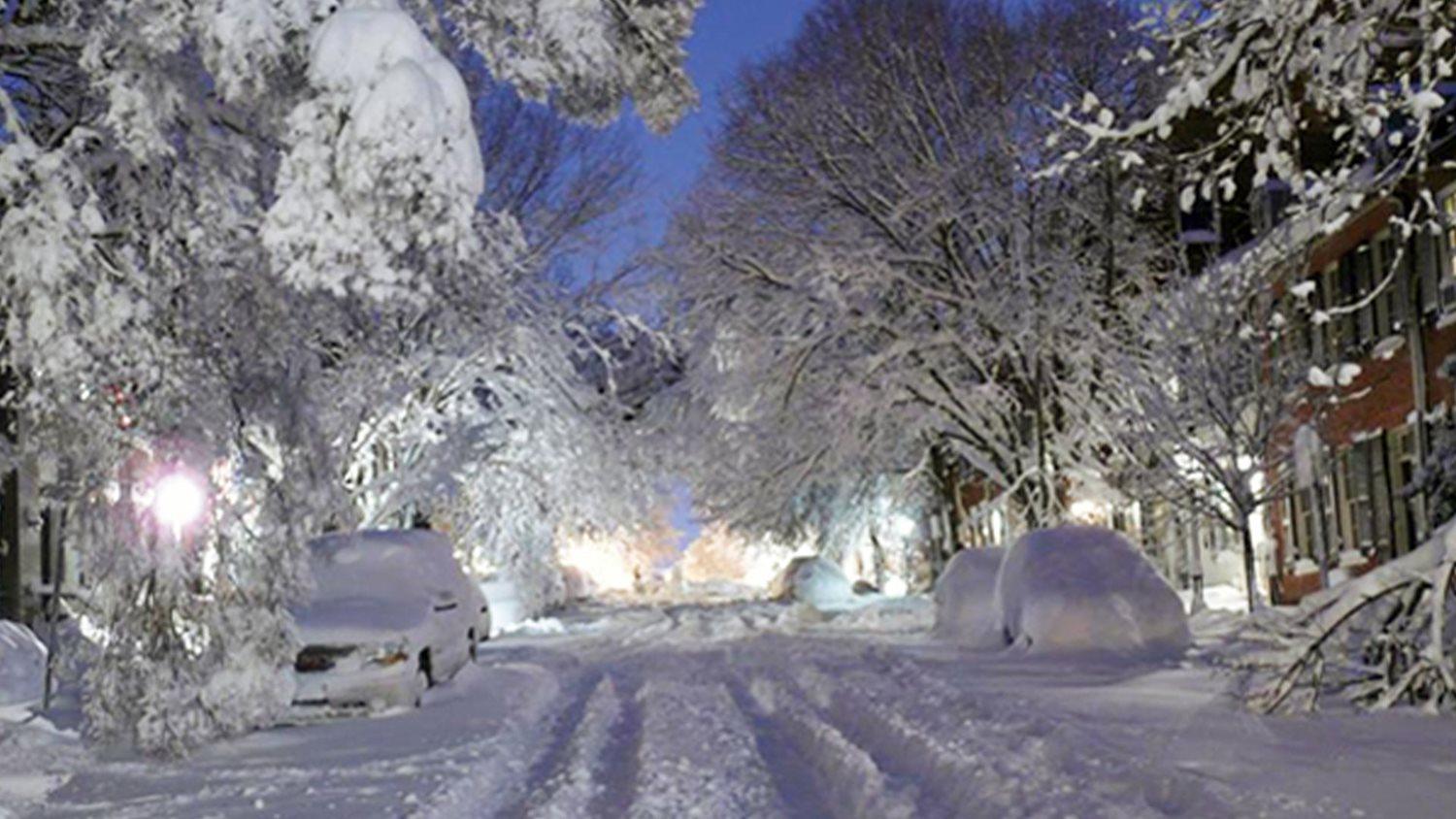
Violently powerful, large, winter storms that have the potential to cause large amounts of damage, Nor’easters are extratropical cyclones that impact the East Coast of North America.
Nor’easters are storms that take place over the East Coast of North America, aptly named due to the typical northeasterly winds that occur during such a storm. While these storms can occur at any time of the year, Nor’easters are more likely to occur and with vigorous strength between September and April. As such, Nor’easters often bring massive amounts of snow to the East Coast.
Past Nor’easters have caused billions of dollars of damage alongside transportation and economic issues, and have even brought severe coastal flooding and loss of life. Some examples of famous Nor’easters include the Blizzard of 1888, the March 1993 “Superstorm”, and the January 2016 “Snowzilla” event.
During the winter, cold Arctic air is transported into Canada and the Plains of the U.S., before being transported eastwards towards the Atlantic. Here, warm air from the Gulf of Mexico and the Atlantic meets the cold air, providing the fuel to keep the storm churning. Nor’easters typically develop between Georgia and New Jersey, about 100 miles either east or west of the Atlantic coastline. These storms progress northeastwards along the East Coast, typically attaining maximum intensity over New England and southeastern Canada.
Almost always, these storms bring heavy precipitation as snow or rain and gale-force winds. The heavily populated I-95 Corridor, which links major East Coast cities such as Washington D.C., Philadelphia, New York and Boston are commonly impacted by Nor’easters.
Given that Nor’easters can have such potent impacts, NWS forecasters are constantly monitoring for conditions that could produce a Nor’easter, particularly during the winter months. Depending on the size, strength and potential impacts, alerts such as Winter Storm, Blizzard, High Wind and Coastal Flooding watches could be issued in the days leading up to the storm’s arrival. When the storm is imminent, these watches could be upgraded to warnings.
If a Nor’easter is threatening your area, don’t wait! Take steps to prepare for severe winter conditions, including having at least three days worth of food, water and other provisions available, as well as a standard disaster kit. Make sure you’ve got batteries and backups, as the Nor’easter could knock out power and leave you in the dark. Download the WeatherBug app to stay ahead of the weather and to be alerted of imminent severe weather.
Credit: NWS
-----
Story Image: Old Town Alexandria, Va., following the February 5-6, 2010, Nor'easter, by Rich Otto via weather.gov
Nor’easters are storms that take place over the East Coast of North America, aptly named due to the typical northeasterly winds that occur during such a storm. While these storms can occur at any time of the year, Nor’easters are more likely to occur and with vigorous strength between September and April. As such, Nor’easters often bring massive amounts of snow to the East Coast.
Past Nor’easters have caused billions of dollars of damage alongside transportation and economic issues, and have even brought severe coastal flooding and loss of life. Some examples of famous Nor’easters include the Blizzard of 1888, the March 1993 “Superstorm”, and the January 2016 “Snowzilla” event.
During the winter, cold Arctic air is transported into Canada and the Plains of the U.S., before being transported eastwards towards the Atlantic. Here, warm air from the Gulf of Mexico and the Atlantic meets the cold air, providing the fuel to keep the storm churning. Nor’easters typically develop between Georgia and New Jersey, about 100 miles either east or west of the Atlantic coastline. These storms progress northeastwards along the East Coast, typically attaining maximum intensity over New England and southeastern Canada.
Almost always, these storms bring heavy precipitation as snow or rain and gale-force winds. The heavily populated I-95 Corridor, which links major East Coast cities such as Washington D.C., Philadelphia, New York and Boston are commonly impacted by Nor’easters.
Given that Nor’easters can have such potent impacts, NWS forecasters are constantly monitoring for conditions that could produce a Nor’easter, particularly during the winter months. Depending on the size, strength and potential impacts, alerts such as Winter Storm, Blizzard, High Wind and Coastal Flooding watches could be issued in the days leading up to the storm’s arrival. When the storm is imminent, these watches could be upgraded to warnings.
If a Nor’easter is threatening your area, don’t wait! Take steps to prepare for severe winter conditions, including having at least three days worth of food, water and other provisions available, as well as a standard disaster kit. Make sure you’ve got batteries and backups, as the Nor’easter could knock out power and leave you in the dark. Download the WeatherBug app to stay ahead of the weather and to be alerted of imminent severe weather.
Credit: NWS
-----
Story Image: Old Town Alexandria, Va., following the February 5-6, 2010, Nor'easter, by Rich Otto via weather.gov