


Back to forecast
What is a Nor'easter?
December 5, 2023 at 03:54 PM EST
By WeatherBug Meteorologist, Mark Paquette
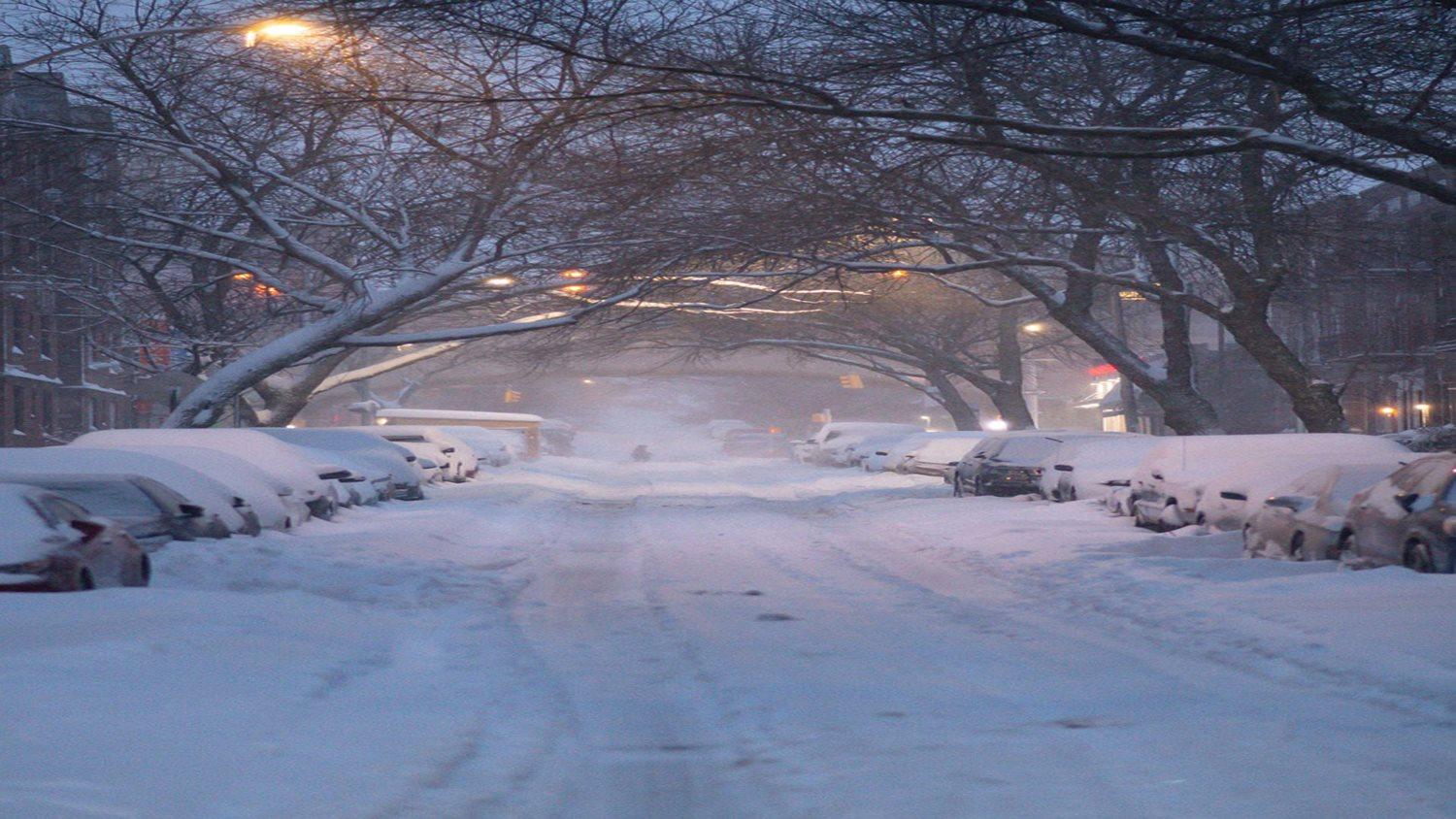
One of the most exciting winter phenomena that meteorologists track in the cold season, especially if one is located in the Mid-Atlantic or the Northeast, is a low pressure system (also referred as a cyclone or a storm) called a nor'easter.
Typically, a Nor'easter is a rapidly strengthening (ie. its atmospheric pressure is dropping quickly) storm off the coast of the Mid-Atlantic and Northeast that causes a strong northeast wind to areas to the storm's west and northwest. These strong northeast winds are where the name nor'easter comes from.
As mentioned above, these storms most often occur during the cold season, generally from September to April. However, these storms can occur in the warmer months but generally they are not nearly as strong nor do they occur as commonly. Some of the most famous, violent and snowy storms in recorded history are these nor'easters including the Blizzard of 1888, the "Ash Wednesday" storm of March 1962, the New England Blizzard of 1978, the March 1993 "Superstorm" and the series of Boston-centered snowstorms of January and February of 2015.
Nor'easters have a few different ways of forming but one of the more common scenarios is a storm system that begins weakening west of the Appalachian Mountains. Its energy is then transferred to a new low pressure system forming about 100 miles east of the Atlantic coast, anywhere from Georgia to New Jersey. The more upper-level support it has, in terms of strong winds aloft known as the jet stream, and temperature difference between the nearby warm waters of the Gulf Stream and an Arctic airmass over the land, the quicker it intensifies and the "deeper" (its air pressure drops low) and stronger it becomes. The stronger the storm is, the higher the northeast winds will be along the coast it is battering and the more precipitation it is associated with.
Heavy snow measured in feet can fall where temptures are cold enough and winds along the coast can gust over hurricane strength causing coastal erosion and flooding. Some of the most damaging coastal events in terms of flooding and erosion have been caused by nor'easters. Areas that have east or northeast facing coastlines or those not protected by barrier islands are often the most at risk from damage due to these storms. Even if temperatures are not cold enough for heavy snow, rain could cause flooding, especially in the heavily urban areas from Washington, D.C., to Boston (often called the I-95 corridor). Especially severe nor'easters are often given nicknames (see the examples above) and could be classified by the National Weather Service as a blizzard if certain weather criteria are reached.
(Image by Michal Dziekonski from pixabay.com)
Typically, a Nor'easter is a rapidly strengthening (ie. its atmospheric pressure is dropping quickly) storm off the coast of the Mid-Atlantic and Northeast that causes a strong northeast wind to areas to the storm's west and northwest. These strong northeast winds are where the name nor'easter comes from.
As mentioned above, these storms most often occur during the cold season, generally from September to April. However, these storms can occur in the warmer months but generally they are not nearly as strong nor do they occur as commonly. Some of the most famous, violent and snowy storms in recorded history are these nor'easters including the Blizzard of 1888, the "Ash Wednesday" storm of March 1962, the New England Blizzard of 1978, the March 1993 "Superstorm" and the series of Boston-centered snowstorms of January and February of 2015.
Nor'easters have a few different ways of forming but one of the more common scenarios is a storm system that begins weakening west of the Appalachian Mountains. Its energy is then transferred to a new low pressure system forming about 100 miles east of the Atlantic coast, anywhere from Georgia to New Jersey. The more upper-level support it has, in terms of strong winds aloft known as the jet stream, and temperature difference between the nearby warm waters of the Gulf Stream and an Arctic airmass over the land, the quicker it intensifies and the "deeper" (its air pressure drops low) and stronger it becomes. The stronger the storm is, the higher the northeast winds will be along the coast it is battering and the more precipitation it is associated with.
Heavy snow measured in feet can fall where temptures are cold enough and winds along the coast can gust over hurricane strength causing coastal erosion and flooding. Some of the most damaging coastal events in terms of flooding and erosion have been caused by nor'easters. Areas that have east or northeast facing coastlines or those not protected by barrier islands are often the most at risk from damage due to these storms. Even if temperatures are not cold enough for heavy snow, rain could cause flooding, especially in the heavily urban areas from Washington, D.C., to Boston (often called the I-95 corridor). Especially severe nor'easters are often given nicknames (see the examples above) and could be classified by the National Weather Service as a blizzard if certain weather criteria are reached.
(Image by Michal Dziekonski from pixabay.com)