


Why the First Big Rain After a Drought Can Turn Dangerous
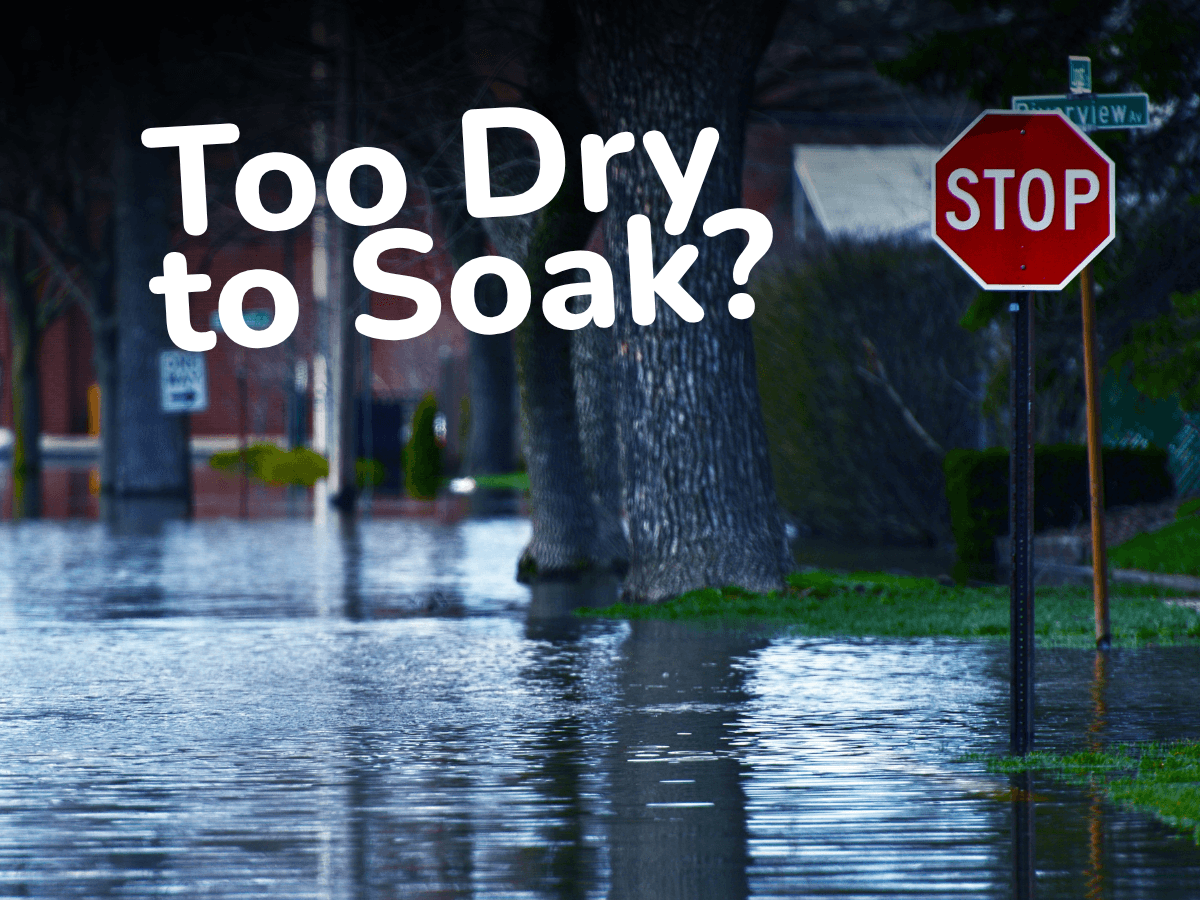
If your lawn is brown, the creek is low and it has not rained in weeks, flooding probably feels like the last weather problem you need to worry about.
Unfortunately, the atmosphere does not always wait for one problem to end before introducing the next one.
Drought remains widespread across the United States, and the latest U.S. Drought Monitor shows conditions expanding or intensifying across parts of the central and south-central U.S. At the same time, pockets of heavy rain have recently soaked parts of Texas, Iowa, Pennsylvania, New Jersey and other states.
Rain may be desperately needed, but if it falls too quickly, some of it may run across the ground instead of soaking in.
Why Dry Ground Does Not Always Absorb Rain
Soil can only absorb water at a certain rate. Meteorologists call this infiltration, but you can think of it as the ground's speed limit for taking in rain.
If rain falls more slowly than the soil can absorb it, much of that water can soak into the ground. If it falls faster, the excess begins running downhill toward storm drains, streams, roads and other low spots.
Drought can make that process worse in several ways.
After a long dry stretch, the soil surface may become crusted or compacted. Some extremely dry soils can also become temporarily water-repellent, especially where intense heat or wildfire has changed the ground. Instead of immediately soaking in, the first burst of rain may bead up or race across the surface.
Drought also stresses or kills vegetation. Fewer healthy plants means fewer leaves, stems and roots available to slow water down and help it enter the soil. On steep slopes, recently burned land or areas with bare ground, runoff can build particularly quickly.
Then there are cities. Pavement, rooftops and parking lots do not absorb much water even during normal conditions. Add a short burst of intense rain, and storm drains can become overwhelmed before the surrounding dry landscape receives much meaningful drought relief.
Rainfall Rate Often Matters More Than the Daily Total
A slow, steady inch of rain spread across an entire day is very different from an inch falling in 20 minutes.
That is why flash-flood forecasts focus so heavily on rainfall rate. A thunderstorm does not need to last all day to cause trouble. It only needs to unload water faster than the ground, drainage system or nearby waterways can handle it.
This is especially dangerous around wildfire burn scars. Debris flows can begin on a dry slope after only a few minutes of intense rain because burned soil and missing vegetation allow water, mud and debris to move downhill quickly.
Where El Niño Fits In
El Niño is strengthening, and NOAA now gives it a greater than 90% chance of becoming very strong during fall and winter 2026-27.
El Niño often tilts the odds toward a wetter cool season across parts of the southern United States. That could bring welcome drought relief, but it does not mean every storm will be beneficial or that every dry area will recover evenly.
If repeated storms begin targeting drought-stricken regions, gradual rain could improve soil moisture and streamflow. A sudden deluge, however, could produce flash flooding long before it makes a meaningful dent in groundwater shortages or long-term drought.
El Niño also does not cause any single flood. It shifts the larger weather pattern and changes the odds over an entire season. The location, timing and intensity of individual storms still matter.
What to Watch When Rain Returns
Do not assume a dry landscape means flooding is unlikely. When heavy rain is forecast, pay attention to:
How quickly the rain is expected to fall, not only the storm total
Flood Watches and Flash Flood Warnings
Low-water crossings, underpasses and poorly drained roads
Steep terrain and wildfire burn scars
Streams that can rise quickly downstream from the heaviest rain
Never drive through a flooded road. The National Weather Service says just 6 inches of fast-moving water can knock an adult off their feet, and vehicles can begin losing contact with the road in similarly shallow water.
The first big rain after a drought can be exactly what a region needs. It can also be too much, too quickly. Sometimes both things are true at once.