Working Safely in Cold Weather

From mail carriers to football players, people in many professions need to be able to work safely in the cold. Here are some tips on how to make that happen.
As with most inclement weather, the best way to stay safe is to be prepared. Paying attention to weather forecasts and knowing when extra cold weather will come for a visit is a good first step, and will inform you when precautions need to be taken.
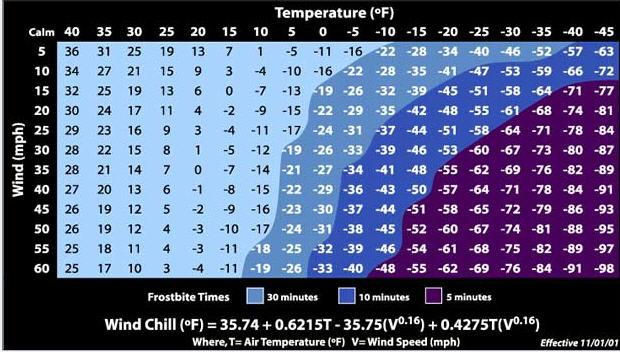
When the mercury dips below 30 degrees, the chances of someone experiencing hypothermia and frostbite go up rapidly especially when breezy conditions are in the forecast. Dressing in layers on cold days will help prevent your body from losing heat too quickly, reducing the risk of cold-related illnesses. Covering as much skin as possible will help too, and this means wearing gloves, hats, earmuffs, thick pants, coats and sweaters.
Wet clothes are bad news for staying warm, and this is again particularly true in rainy, snowy and windy weather where evaporation and wind will both work in tandem to whisk warmth away from your body. Bring an extra coat, pair of pants and socks with you on cold days when precipitation is in the forecast, and do what you can to stay dry.
The next two tips are rather pleasant. The first is to take frequent breaks in a heated building or vehicle, at least once an hour if not more frequent in frigid conditions. The second tip is to drink warm beverages like coffee, tea and hot chocolate to boost your metabolism and allow your body to keep itself warm.
The last tip may be the most crucial in keeping workers safe: keep an eye on how you and your coworkers are doing physically throughout the workday to monitor for signs of cold illnesses such as frostbite and hypothermia.
Symptoms of hypothermia include:
- Intense shivering
- Exhaustion
- Unusual memory loss, lack of coordination, or slurred speech
- Confusion and drowsiness
Symptoms of frostbite include:
- Skin that is cold to the touch
- Numbness or painful tingling sensation
- Discoloration of skin, purple or black in severe cases
- Lack of mobility in affected fingers and toes
If you suspect that you or a coworker is suffering from hypothermia or frostbite, immediately move the affected person to a warmer location and seek medical attention. Remove wet clothing and remember not to warm them too quickly as it could do more harm than good.
Working in cold weather can be difficult, but the hazards associated with it can be mitigated. Hopefully, this information will help keep you and your fellow workers safe during even the most brutal of winter days.
Source: OSHA, Mayo Clinic
Story image: A panoramic winter view of Crater Lake from Rim Village. (WolfmanSF via Wikimedia Commons)