


Back to forecast
Worst Tornadoes in United States History
April 24, 2023 at 10:13 AM EDT
By WeatherBug Meteorologist, Matt Mehallow
Spring is here, and that means the peak of tornado season in the United States is quickly approaching, so let’s look back at the costliest and deadliest tornadoes in United States’ history.
The May 22, 2011, Joplin, Mo., tornado, rated EF-5, caused 161 fatalities and more than 1,000 injuries. The damage produced by the tornado made it the costliest tornado on record, with losses approaching $2.8 billion, or about $3.76 billion in today’s dollars. The Joplin tornado damaged 553 business structures and nearly 7,500 residential structures, with over 3,000 of those residences heavily damaged or destroyed.
The Tri-State Tornado of 1925, also called Great Tri-State Tornado, is the deadliest in U.S. history. The twister moved from southeastern Missouri through southern Illinois and into southwestern Indiana on March 18, 1925. The storm destroyed many towns and caused 695 deaths.
On April 27, 2011, a long-track, violent EF-4 tornado swept through parts of Tuscaloosa and Birmingham, Ala., producing approximately $2.45 billion in damage, or about $3.3 billion in today’s dollars. Fifty-three deaths were attributed to the storm in Tuscaloosa and several hundred were injured. This tornado was part of the deadliest tornado outbreak in Alabama since the Super Outbreak of 1932.
The Natchez Tornado killed 317 people and injured 109 on May 6, 1840, along the Mississippi River in Louisiana and Mississippi. The official death toll may not have included slaves, according to the Federal Emergency Management Agency.
On May 20, 2013, a massive EF-5 tornado hit Moore, Okla. Twenty-five lives were lost, including seven children. The tornado formed at 2:56 p.m. and was on the ground for 39 minutes. The tornado path was 17 miles long and 1.3 miles wide at the widest point. The tornado caused $2 billion worth of damage, or about $2.6 billion in today’s dollars.
A devastating tornado moved through St. Louis and East St. Louis, Illinois, on May 27, 1896, killing 255 people and injuring more than 1,000. The tornado was responsible for at least $10 million in damage and is ranked as the third-deadliest tornado in United States history.
The Topeka, Kansas, tornado on June 8, 1966, registered as an F5. The powerful storm traveled from the southwest of the city to the northeast, leading to 17 deaths. The tornado was on the ground for 34 minutes and resulted in a damaged area 21 miles long and one-half mile wide. Damage from the tornado reached $250,000,000, or about $2.3 billion in today’s dollars.
On April 5, 1936, an estimated F5 tornado cut a path 400 yards wide through the residential section of Tupelo, Miss. At least 216 people were killed, and 700 were injured. The tornado had a 15-mile-long path and produced $3 million in damage.
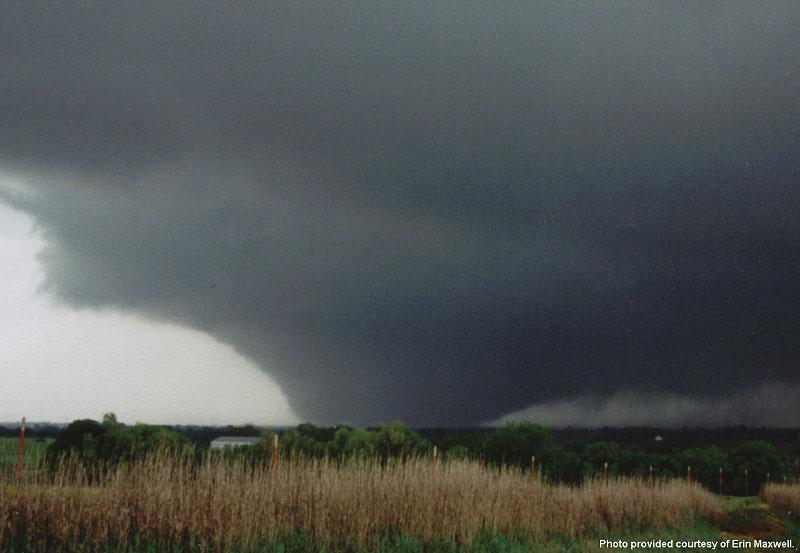
May 3, 1999, featured one of the most infamous tornadoes in U.S. history. An F5 tornado tore through the cities of Bridge Creek, Newcastle, Moore, and parts of the south side of Oklahoma City, Okla. It claimed 36 lives, destroyed 1,800 homes, and damaged another 2,500. A Doppler on Wheels research radar measured a wind speed of 301 mph about 100 feet above the ground in the tornado, which was up to three-quarters of a mile wide. This single tornado was the first F5 tornado on record to hit the Oklahoma City metro area and is responsible for an estimated $1 billion damage or about $1.8 billion in today’s dollars.
Sources, weather.gov, spc.noaa.gov
---
Story Image: Tornado near the Bridge Creek, Oklahoma area on May 3, 1999. (Photo taken by NWS Norman general forecaster Erin Maxwell)
The May 22, 2011, Joplin, Mo., tornado, rated EF-5, caused 161 fatalities and more than 1,000 injuries. The damage produced by the tornado made it the costliest tornado on record, with losses approaching $2.8 billion, or about $3.76 billion in today’s dollars. The Joplin tornado damaged 553 business structures and nearly 7,500 residential structures, with over 3,000 of those residences heavily damaged or destroyed.
The Tri-State Tornado of 1925, also called Great Tri-State Tornado, is the deadliest in U.S. history. The twister moved from southeastern Missouri through southern Illinois and into southwestern Indiana on March 18, 1925. The storm destroyed many towns and caused 695 deaths.
On April 27, 2011, a long-track, violent EF-4 tornado swept through parts of Tuscaloosa and Birmingham, Ala., producing approximately $2.45 billion in damage, or about $3.3 billion in today’s dollars. Fifty-three deaths were attributed to the storm in Tuscaloosa and several hundred were injured. This tornado was part of the deadliest tornado outbreak in Alabama since the Super Outbreak of 1932.
The Natchez Tornado killed 317 people and injured 109 on May 6, 1840, along the Mississippi River in Louisiana and Mississippi. The official death toll may not have included slaves, according to the Federal Emergency Management Agency.
On May 20, 2013, a massive EF-5 tornado hit Moore, Okla. Twenty-five lives were lost, including seven children. The tornado formed at 2:56 p.m. and was on the ground for 39 minutes. The tornado path was 17 miles long and 1.3 miles wide at the widest point. The tornado caused $2 billion worth of damage, or about $2.6 billion in today’s dollars.
A devastating tornado moved through St. Louis and East St. Louis, Illinois, on May 27, 1896, killing 255 people and injuring more than 1,000. The tornado was responsible for at least $10 million in damage and is ranked as the third-deadliest tornado in United States history.
The Topeka, Kansas, tornado on June 8, 1966, registered as an F5. The powerful storm traveled from the southwest of the city to the northeast, leading to 17 deaths. The tornado was on the ground for 34 minutes and resulted in a damaged area 21 miles long and one-half mile wide. Damage from the tornado reached $250,000,000, or about $2.3 billion in today’s dollars.
On April 5, 1936, an estimated F5 tornado cut a path 400 yards wide through the residential section of Tupelo, Miss. At least 216 people were killed, and 700 were injured. The tornado had a 15-mile-long path and produced $3 million in damage.
May 3, 1999, featured one of the most infamous tornadoes in U.S. history. An F5 tornado tore through the cities of Bridge Creek, Newcastle, Moore, and parts of the south side of Oklahoma City, Okla. It claimed 36 lives, destroyed 1,800 homes, and damaged another 2,500. A Doppler on Wheels research radar measured a wind speed of 301 mph about 100 feet above the ground in the tornado, which was up to three-quarters of a mile wide. This single tornado was the first F5 tornado on record to hit the Oklahoma City metro area and is responsible for an estimated $1 billion damage or about $1.8 billion in today’s dollars.
Sources, weather.gov, spc.noaa.gov
---
Story Image: Tornado near the Bridge Creek, Oklahoma area on May 3, 1999. (Photo taken by NWS Norman general forecaster Erin Maxwell)