Severe Storm Risk - Trilla, IL
Severe Storm Risk
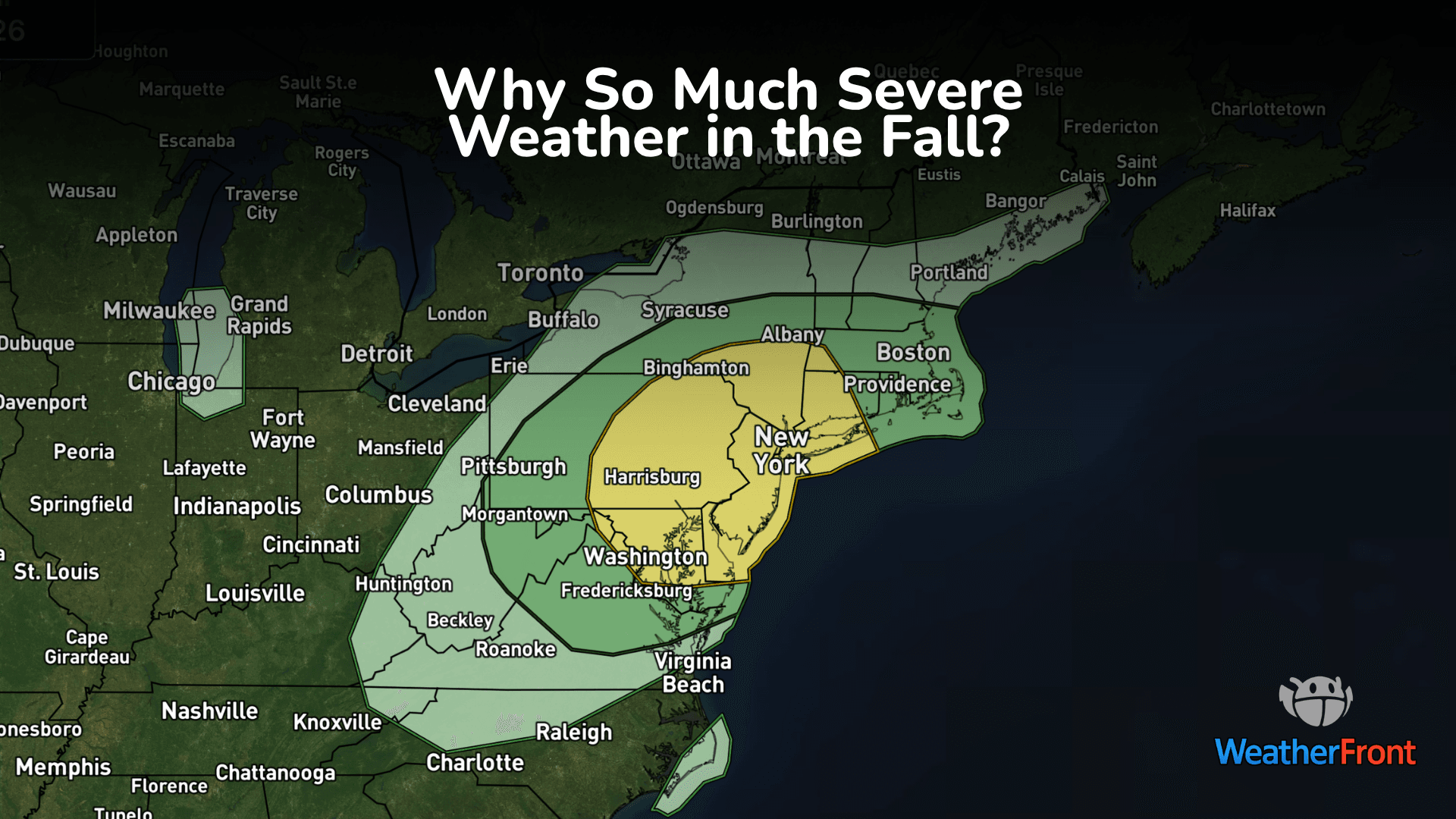
-There is a Marginal Severe Storm Risk for your location. Continue reading for today's outlook from the National Weather Service's Storm Prediction Center. -------------------- National Severe Storm Outlook THERE IS AN ENHANCED RISK OF SEVERE THUNDERSTORMS LATE THIS AFTERNOON INTO EARLY TONIGHT ACROSS EASTERN MT AND WESTERN ND THERE IS A SLIGHT RISK OF SEVERE THUNDERSTORMS INTO WESTERN SOUTH DAKOTA AND NEBRASKA...AND ACROSS NORTH CAROLINA SUMMARY A mix of initial supercells and later storm clusters will produce swaths of severe outflow winds and very large hail across the northern High Plains late this afternoon into early tonight. Northern High Plains this afternoon into tonight Water-vapor imagery this morning shows a mid- to upper-level low over the Vancouver/Washington coast with a large-scale trough enveloping much of the West. Strong cyclonic 500-mb flow will extend through the base of the trough and into parts of the northern High Plains later today coincident with the ejection of a lead disturbance into the western Dakotas. Boundary-layer dewpoints in the 60s will continue to spread northward from KS/NE to the Dakotas, east of a deep lee trough/cyclone across the central/northern High Plains. The moistening will occur beneath a plume of steep midlevel lapse rates emanating from the Great Basin and north-central Rockies. Morning showers and thunderstorms over parts of this region will move downstream and away from where strong to severe thunderstorm development is expected later this afternoon, along both the surface trough/lee cyclone near the MT/ND border and near the Big Horn Mountains. Some of the stronger initial storms will likely be supercellular owing to moderate to large CAPE. The risk for large to very large hail (2-3 inches in diameter) is greatest near the ND/MT border where supercells are forecast early in the convective life cycle. A couple of tornadoes are also possible but relatively large temperature-dewpoint spreads and a transition to upscale growth may temper the tornado threat. As more storms develop leading to storm mergers and coalescing outflow, a linear cluster may potentially develop into a bow echo across western ND this evening. The NSSL-WRF and some recent HRRR time-lagged solutions imply this scenario but uncertainty remains due to appreciable model spread. Nonetheless, the very unstable airmass over western ND combined with a supercell to linear cluster transition in the presence of steep low to mid-level lapse rates, lends confidence in highlighting a corridor over western ND in a level 2 intensity (locally 80-100 mph gusts). More isolated supercells will also be possible farther south into western SD/NE where isolated very large hail and significant severe outflow gusts will be possible. TN/southern KY to NC this afternoon A series of MCVs in a corridor from south-central KS into MO and east near the WV/VA border will provide a focus for additional thunderstorm activity through the day. In areas void of morning showers/thunderstorms, a very moist boundary layer featuring lower to mid 70s F surface dewpoints will gradually heat and destabilize through the mid afternoon. Some enhancement of midlevel flow in proximity to the MCVs may aid in storm organization primarily in the form of multicellular clusters. Isolated to widely scattered wind damage will be the primary risk with this activity, but an isolated tornado may also occur in the warm advection zone with enhanced low-level hodograph curvature across TN on the southwest flank of the western MCV, though confidence in this scenario remains low. TX Panhandle into west TX late this afternoon/evening Though forcing for ascent will be weak at best this far south, strong surface heating/mixing along the lee trough/dryline could support high-based thunderstorm development late this afternoon. Inverted-V profiles will favor the potential for isolated severe outflow gusts of 60-75 mph.