Back to 10 Day Forecast
All About Cold-Related Alerts
December 1, 2025 at 03:31 PM EST
By WeatherBug Meteorologist, Christian Sayles
Temperatures hovering in the 60s and 70s are a dream in autumn, but a nightmarish cold snap is inevitable as we approach the winter months. Here we’ll discuss what cold-related alerts will likely become issued when cold weather is afoot!
Let’s set the scenario: an Arctic cold front is sweeping across the central U.S. after temperatures have been slightly above normal. This will likely spell cool, brisk winds dropping out of the Canadian Maritimes into the heart of the U.S. Along with the snow and ice impacts that will likely follow suit with this type of front, high winds causing “feels like” or “wind chill” temperatures to plummet are also likely to occur.
This cold air also poses a threat to vegetation as well. When temperatures drop near or below freezing, many sensitive plants, crops or livestock will be at risk. It’s best to remain informed on the following threats should they become issued.
Extreme Cold
A Cold Weather Advisory is issued by the National Weather Service whenever air temperature is expected to become dangerously low. You will want to wear proper clothing with extra layers if travelling outdoors as cold-related health risks such as hypothermia are possible.
An Extreme Cold Watch is issued when outdoor temperatures could possibly reach dangerous depths, which could be with or without wind. You will want to plan accordingly and refrain from being outdoors for prolonged periods. It’s also a good idea to have cars replenished with fuel and to check tire pressures. Also, have a winter weather survival kit on standby.
An Extreme Cold Warning becomes issued when dangerously cold air temperature is expected or occurring, and you need to act immediately to remain safe. This air temperature could be with or without wind. You must avoid going outside during the coldest parts of the day such as just before dawn or after sunset. Make sure to wear multiple layers if you must travel outdoors and make sure your loved ones know where you are going. Also, check on your neighbors and elderly as they may not know they are at risk.
Frost/Freeze
A Frost Advisory is issued when frost is expected or occurring within the alerted region. Plans should be in place to protect sensitive vegetation as they may be at risk of succumbing to the low temperatures. Following a confirmed frost, alerts are no longer issued for continued conditions until the following spring. With the exception being Florida and central and southern California, where frost and freezes are rare.
A Freeze Watch becomes issued when potentially dangerous temperatures falling below 32 degrees are possible within the next 24 to 36 hours. This type of watch is only issued prior to the end of the growing season in autumn and at the beginning of the growing season in the spring. Following a confirmed freeze, alerts are no longer issued for continued conditions until the following spring. With the exception being Florida and central and southern California, where frost and freezes are rare.
A Freeze Warning is issued when temperatures are expected to fall below 32 degrees for a long period of time. Crops and plants are likely be killed under these cold conditions, and this poses a threat to livestock as well.
A Hard Freeze Warning becomes issued when temperatures are expected to plummet below 28 degrees for a prolonged period. This will likely result in the killing of crops and plants that are exposed to these temperatures.
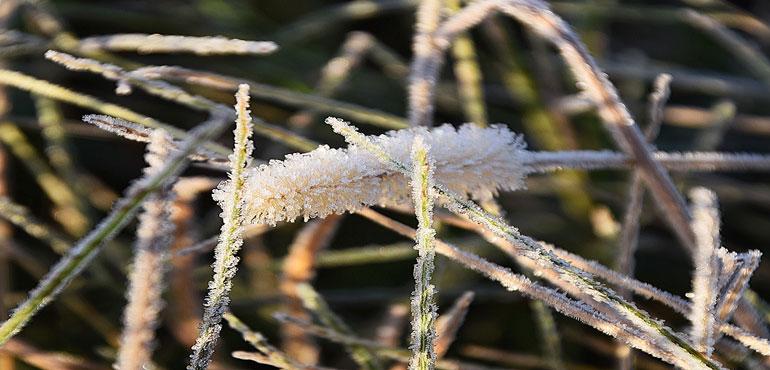
(Image provided by Pixabay.com)
Let’s set the scenario: an Arctic cold front is sweeping across the central U.S. after temperatures have been slightly above normal. This will likely spell cool, brisk winds dropping out of the Canadian Maritimes into the heart of the U.S. Along with the snow and ice impacts that will likely follow suit with this type of front, high winds causing “feels like” or “wind chill” temperatures to plummet are also likely to occur.
This cold air also poses a threat to vegetation as well. When temperatures drop near or below freezing, many sensitive plants, crops or livestock will be at risk. It’s best to remain informed on the following threats should they become issued.
Extreme Cold
A Cold Weather Advisory is issued by the National Weather Service whenever air temperature is expected to become dangerously low. You will want to wear proper clothing with extra layers if travelling outdoors as cold-related health risks such as hypothermia are possible.
An Extreme Cold Watch is issued when outdoor temperatures could possibly reach dangerous depths, which could be with or without wind. You will want to plan accordingly and refrain from being outdoors for prolonged periods. It’s also a good idea to have cars replenished with fuel and to check tire pressures. Also, have a winter weather survival kit on standby.
An Extreme Cold Warning becomes issued when dangerously cold air temperature is expected or occurring, and you need to act immediately to remain safe. This air temperature could be with or without wind. You must avoid going outside during the coldest parts of the day such as just before dawn or after sunset. Make sure to wear multiple layers if you must travel outdoors and make sure your loved ones know where you are going. Also, check on your neighbors and elderly as they may not know they are at risk.
Frost/Freeze
A Frost Advisory is issued when frost is expected or occurring within the alerted region. Plans should be in place to protect sensitive vegetation as they may be at risk of succumbing to the low temperatures. Following a confirmed frost, alerts are no longer issued for continued conditions until the following spring. With the exception being Florida and central and southern California, where frost and freezes are rare.
A Freeze Watch becomes issued when potentially dangerous temperatures falling below 32 degrees are possible within the next 24 to 36 hours. This type of watch is only issued prior to the end of the growing season in autumn and at the beginning of the growing season in the spring. Following a confirmed freeze, alerts are no longer issued for continued conditions until the following spring. With the exception being Florida and central and southern California, where frost and freezes are rare.
A Freeze Warning is issued when temperatures are expected to fall below 32 degrees for a long period of time. Crops and plants are likely be killed under these cold conditions, and this poses a threat to livestock as well.
A Hard Freeze Warning becomes issued when temperatures are expected to plummet below 28 degrees for a prolonged period. This will likely result in the killing of crops and plants that are exposed to these temperatures.
(Image provided by Pixabay.com)