
Plant Care: What to Do When Frosts and Freezes Occur
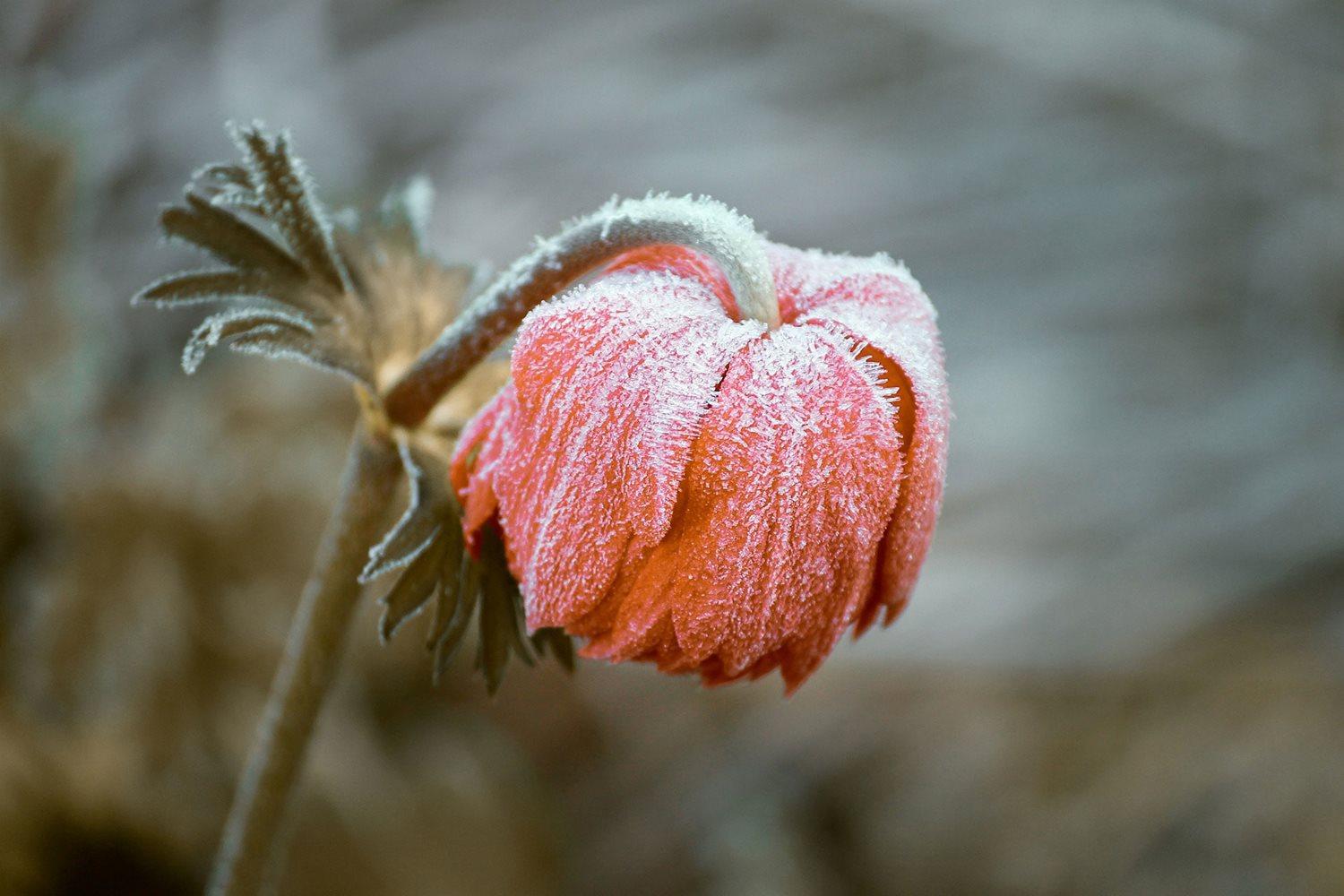
Spring is now in full swing, meaning there are lower chances for frosts and freezes, especially transitioning into the warmer months. However, even with the lower chances of frosts and freezes, plants will still need to be protected from any abnormally cold temperatures. So, fellow plant parents, be sure to keep tabs on the cold weather to help your leafy friends.
Thankfully, there is a guideline to protect your plants when frost advisories, freeze watches, and warnings, and hard freeze watches and warnings are issued. Usually, these will be issued between May 1st and October 20th, but this range is malleable when conditions warrant it.
- Frost Advisory: Temperatures, winds, and sky cover need to be favorable for frost development for one to be issued, which typically is when temperatures reach or fall below 36 degrees. When this occurs, your plants can stay outside, but must be covered before the sun sets so they can retain necessary heat.
- Freeze Watch/Warning: Similar to a frost advisory, temperatures need to reach a certain threshold to be issued. In this case, it’s when low temperatures are expected to be between 29 and 32 degrees. A freeze watch will be issued a few days ahead of time when these temperatures are forecasted, while a freeze warning will be issued when they are expected. The only thing to save your greenery will be to move sensitive ones inside because the freeze will likely kill them.
- Hard Freeze Warning/Watch: In this scenario, temperatures need to be 28 degrees or less. Where a freeze warning will likely kill plants, a hard freeze warning will indeed kill your plants. Similar to a freeze watch, a hard freeze watch can also be issued a few days ahead of time if these temperatures are in the forecast.
A good rule of thumb to protect your plant friends is to move any indoors as it starts getting colder. This way, you’ll be prepared when a frost or freeze strikes.
---
Source: weather.gov
Image: Manfred Richter via Pixabay