


The Real Meaning Behind “Super El Niño”
You've probably seen the term "Super El Niño" floating around lately. Here's what it actually means, and how close this year's event is to earning it.
What makes an El Niño "super"?
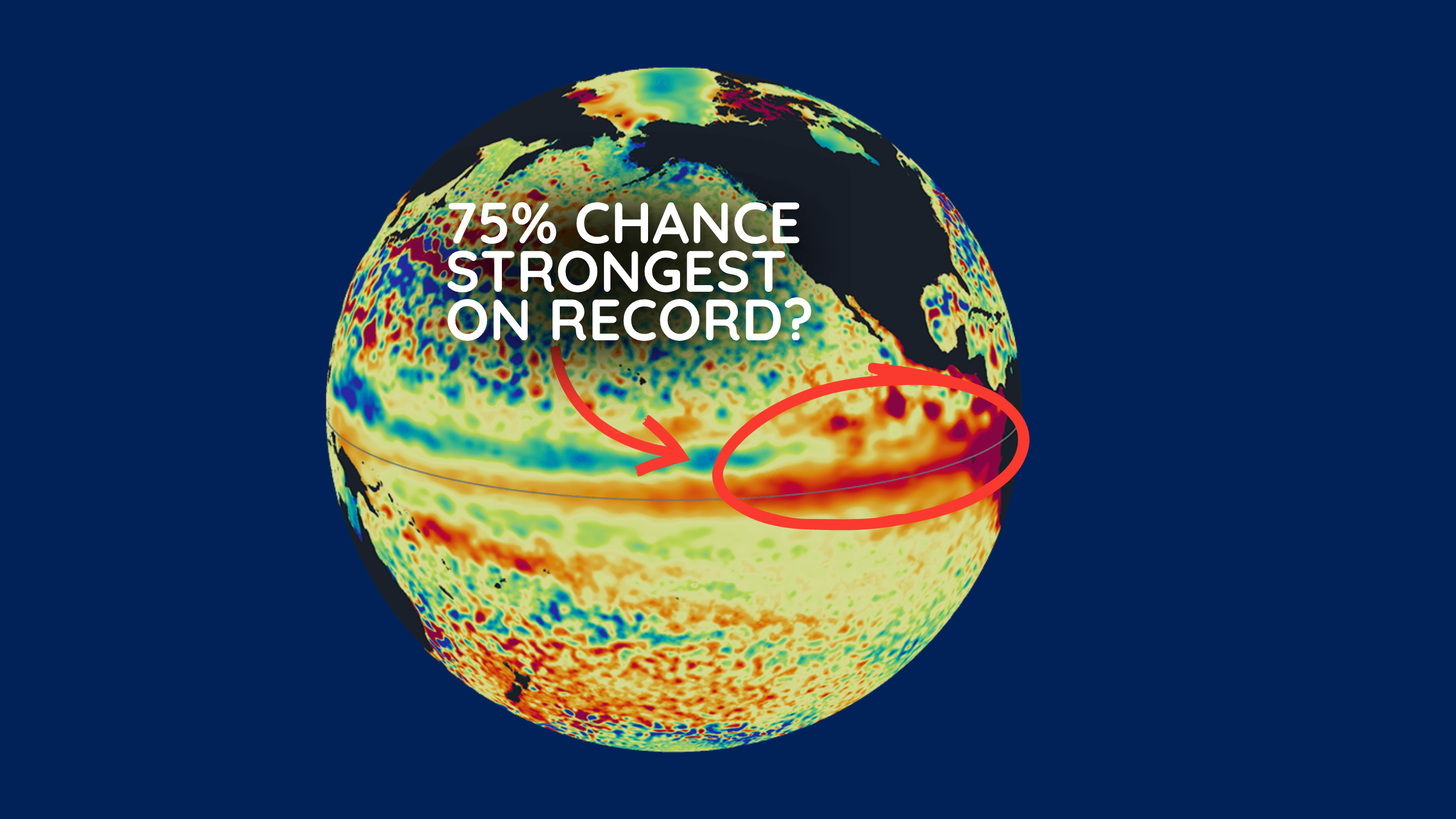
It's not just a flashy name. Forecasters classify El Niño strength using something called the Oceanic Niño Index (ONI), which tracks how much warmer than average the central Pacific Ocean gets. Once that index hits +2.0°C or higher, NOAA calls it a "very strong" event. This is what most people mean when they say "super El Niño."
That's a high bar. Since 1950, only three El Niños have crossed it:
1982–83, peaking at +2.1°C
1997–98, peaking at +2.4°C
2015–16, peaking at +2.6°C
Every other El Niño on record fell short of that threshold.
Where did the nickname come from?
The more dramatic "Godzilla El Niño" nickname traces back to meteorologist Bill Patzert, who popularized it during the 2015–16 event. The comparison was pretty simple: this El Niño looked massive and potentially destructive, like the monster itself.
It stuck, and now it gets pulled out anytime an event looks like it might rival that one.
So how close are we right now?
Closer than usual. El Niño conditions are already in place, and NOAA's latest outlook puts the odds of this event reaching "very strong" status at over 90% for this fall and winter.
Some ocean regions have already pushed past +3°C in recent weeks, and one forecast measure even puts the odds at 69% that this event ends up outranking every El Niño since 1950.
What that actually tells us
None of this is locked in yet. El Niño strength can still shift as fall and winter play out, and NOAA updates its outlook monthly.
But right now, the signal is about as strong and consistent as forecasters see it get: this has a real shot at joining that short list of just three "super" events since 1950, and possibly outranking all of them.
We'll keep tracking it as new data comes in each month.