Severe Storms Rattle Texas to New York
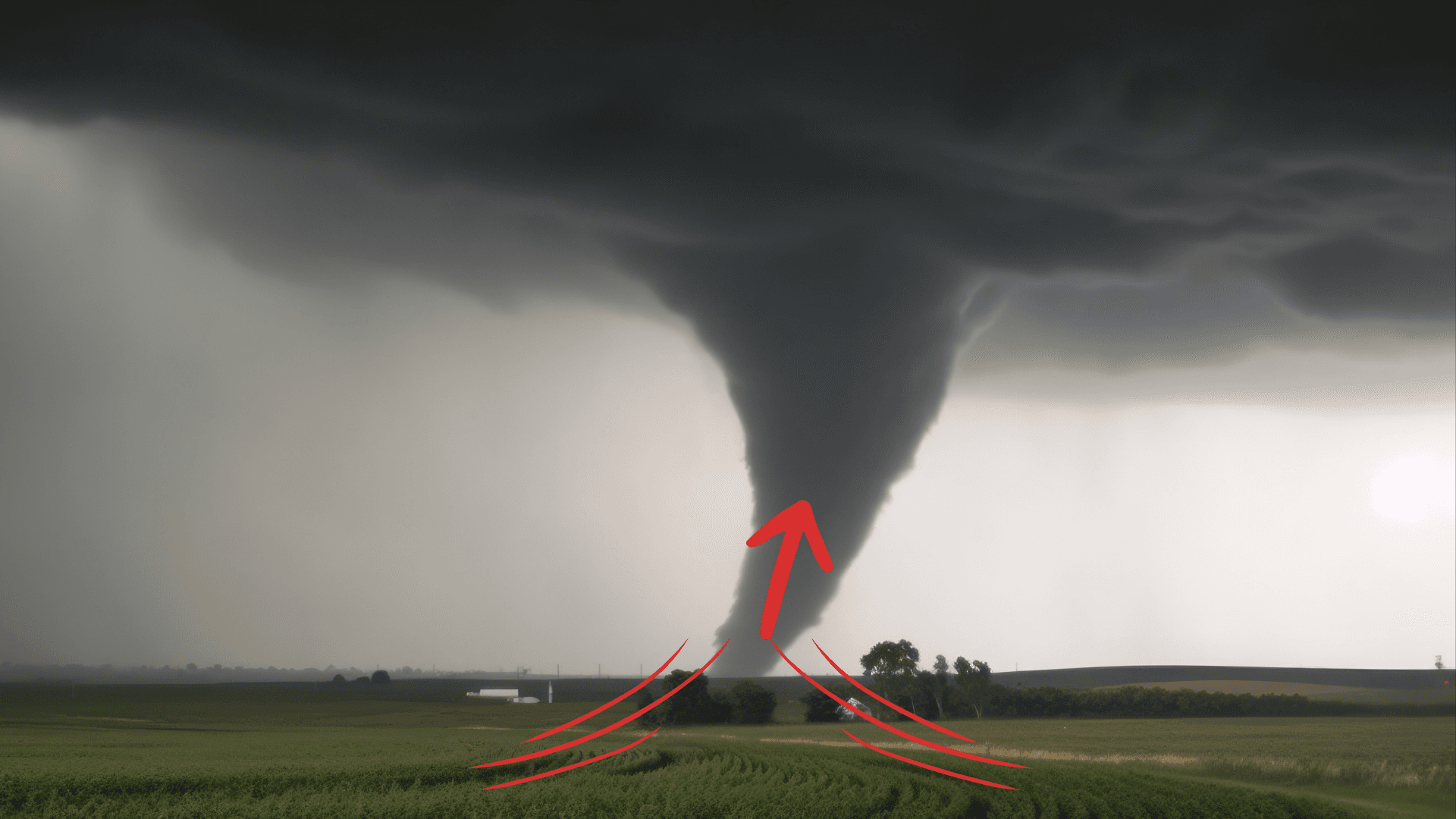
A strong low pressure system storming across the north-central U.S. today will continue this week’s train of severe weather.
There is a Marginal Severe Storm Risk for your location. Continue reading for today's outlook from the National Weather Service's Storm Prediction Center. -------------------- National Severe Storm Outlook THERE IS A SLIGHT RISK OF SEVERE THUNDERSTORMS FROM PARTS OF TEXAS TO THE LOWER MISSISSIPPI VALLEY/TENNESSEE VALLEY AND UPPER OHIO VALLEY SUMMARY Scattered severe thunderstorms are likely today across parts of Ohio into West Virginia and western Pennsylvania/New York, and from portions of Texas into the lower Mississippi Valley and Mid-South. Damaging winds should be the main threat for most areas, but large hail may occur across parts of Texas, and a few tornadoes are possible in the upper Ohio Valley. Ohio Valley to Western Pennsylvania/New York A loosely organized linear band of currently non-strong thunderstorms, which is effectively augmenting the cold front, continues generally eastward at midday toward Lake Erie/central Ohio and across northern Kentucky. Ample insolation is occurring per visible satellite ahead of this convection across eastern portions of Kentucky/Ohio into West Virginia and western Pennsylvania, with surface dewpoints generally climbing through the upper 50s F. This scenario will quickly erode remaining convective inhibition, with thunderstorms expected to increase and intensify through mid-afternoon. As storms develop/mature, strong cyclonically influenced flow aloft (45+ kt effective shear) will support both supercells and well-organized/fast-moving clusters in the presence of a 40-50 kt southwesterly low-level jet, with notable 50-65 kt winds around 3km AGL/700 mb. These storms will be capable of scattered severe/damaging winds as they move quickly east-northeastward across the region. The potential also exists for line-embedded and/or supercell tornadoes given the degree of 0-2km AGL shear/SRH. This convection is forecast to weaken this evening as it moves into the higher terrain of the Appalachians and encounters a much less unstable airmass. Texas to the Lower Mississippi Valley/Mid-South At late morning, extensive linear bands of convection are principally located near the southeastward-advancing cold front from the Mid-South/Memphis vicinity southwestward to the ArkLaTex and central Texas, with some stronger/occasional hail-capable post-frontal elevated convection noted across parts of the Edwards Plateau and Low Rolling Plains. Damaging winds will remain the most common hazard across the Mid-South/parts of Kentucky and ArkLaMiss vicinity as convection moves/develops into a gradually destabilizing air mass regionally. Potential for supercells is more apparent across parts of Texas, where steep mid-level lapse rates, greater MUCAPE, and modestly enhanced mid/upper-level flow, and related deep-layer shear, will support the potential for primarily large hail. This supercell hail potential should be maximized across south-central Texas potentially including parts of the Hill County/Brush Country toward the Rio Grande.
Pollen Index: 8.1 Pollen Level: medium-high Predominant Pollen: Alder, Cedar/Juniper and Elm Concentration of pollen grains in the air for Saturday will be falling but will remain in the high range. Since the weather has a major influence on pollen dispersal, this decrease is due in part to rising humidity, weak winds and expected precipitation in the morning and evening which tends to wash pollen out of the air. That's good news for allergy sufferers.