Weather Alerts For Canandaigua, NY
Heat Advisory
-# HEADLINE -------------------- HEAT ADVISORY REMAINS IN EFFECT FROM NOON TODAY TO 8 PM EDT THIS EVENING # DETAILS -------------------- WHAT Heat index values in the mid 90s expected. WHERE Niagara, Orleans, Monroe, Wayne, Northern Cayuga, Livingston, and Ontario Counties. WHEN From noon today to 8 PM EDT this evening. IMPACTS Hot temperatures and high humidity may cause heat related illnesses to occur. ISSUED AT Thursday, June 11, 2026 at 1:34 AM EDT ISSUED BY National Weather Service Buffalo NY HEADER URGENT - WEATHER MESSAGE # PRECAUTIONARY/PREPAREDNESS ACTIONS -------------------- Drink plenty of fluids, stay in an air-conditioned room, stay out of the sun, and check up on relatives and neighbors. Young children and pets should never be left unattended in vehicles under any circumstances. This is especially true during hot weather when car interiors can reach lethal temperatures in a matter of minutes. Take extra precautions if you work or spend time outside. When possible reschedule strenuous activities to early morning or evening. Know the signs and symptoms of heat exhaustion and heat stroke. Wear lightweight and loose fitting clothing when possible. To reduce risk during outdoor work, the Occupational Safety and Health Administration recommends scheduling frequent rest breaks in shaded or air conditioned environments. Anyone overcome by heat should be moved to a cool and shaded location. Heat stroke is an emergency! Call 9 1 1. # AREAS AFFECTED -------------------- Livingston, Monroe, Niagara, Northern Cayuga, Ontario, Orleans, Wayne Including the cities of Niagara Falls, Medina, Rochester, Newark, Fair Haven, Geneseo, and Canandaigua
Severe Storm Risk
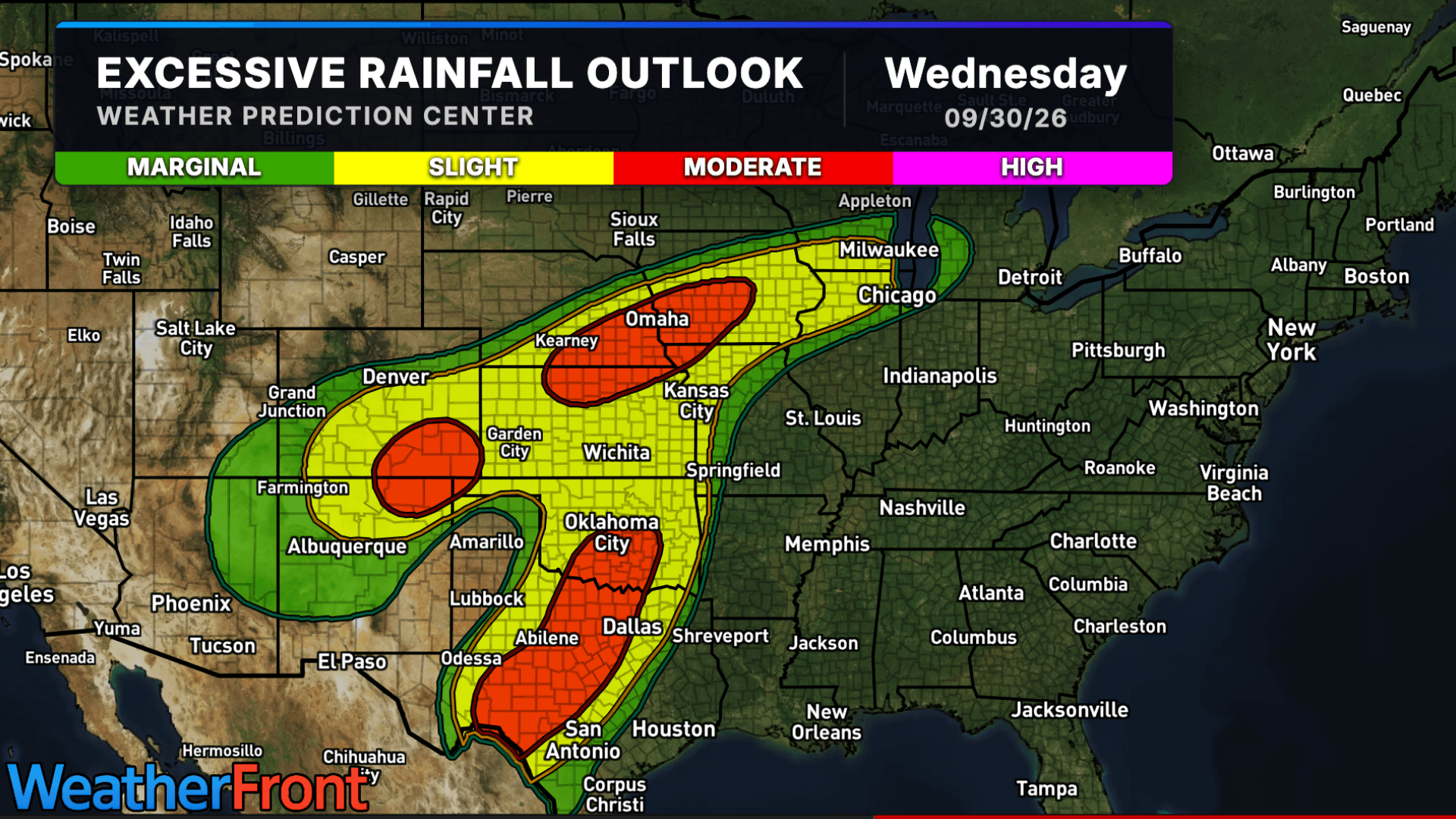
-There is a Marginal Severe Storm Risk for your location. Continue reading for today's outlook from the National Weather Service's Storm Prediction Center. -------------------- National Severe Storm Outlook THERE IS AN ENHANCED RISK OF SEVERE THUNDERSTORMS ACROSS PORTIONS OF THE UPPER MISSISSIPPI VALLEY INTO PARTS OF THE PLAINS SUMMARY Scattered to numerous severe thunderstorms with potential for large hail, a couple of tornadoes and damaging winds with gusts over 75 mph will continue this evening across parts of the Upper Mississippi Valley and Midwest. Synopsis A cold front extends from portions of the upper Midwest into the central Plains, with a surface low over Manitoba. Several lines and clusters of severe thunderstorms continue along and ahead of this feature across portions of the Great Lakes into the Midwest and central/southern Plains. The risk for damaging wind, large hail, and a couple of tornadoes will continue into the evening across these regions extending into the Ohio Valley overnight. Central Kansas, northwest Missouri and Iowa Widespread thunderstorm development continues across central Kansas into central Iowa along the cold front. Initial development is supercelluar and pose a risk for large hail, damaging wind, and perhaps a tornado. Linear forcing along the front will likely lead to upscale growth, with the primary threat becoming damaging wind. Ongoing convection further west into southern Iowa/northwest Missouri is remaining a mixed-mode of supercells and multi-cell clusters. Within this area, strong instability and deep layer shear may continue to pose a risk for a tornado or two while storm mode remains semi-discrete. The 10% tornado risk and 30% hail risk areas were removed with this update given the tendency for more linear storm modes. Eastern Nebraska/far western Iowa and northern Illinois Latest forecast guidance continues to show a signal for elevated convection near the terminus of a low-level jet across eastern NE/western IA late tonight/early Thursday morning. Forecast soundings from these solutions, most notably recent RAP runs and the NAM, hint that low-level moisture advection may be sufficient to support parcels rooted near the surface. Initial thunderstorms may pose a risk for hail before growing upscale into a damaging MCS into the end of the current D1 period tomorrow morning. A 30% wind area was introduced into southeastern Nebraska/southern Iowa in support of recent HRRR runs which show potential for a swath of damaging wind across far eastern Nebraska into southern Iowa.